Born in Atlanta in 1929, King was raised from an early age in the spirit of Christian ethics and social commitment. As a Baptist pastor, he was able to combine faith with public activity, giving the fight for civil rights a moral, not just political, dimension. His method of nonviolent resistance, inspired by the teachings of Mahatma Gandhi, became the foundation of mass protests against racial segregation.
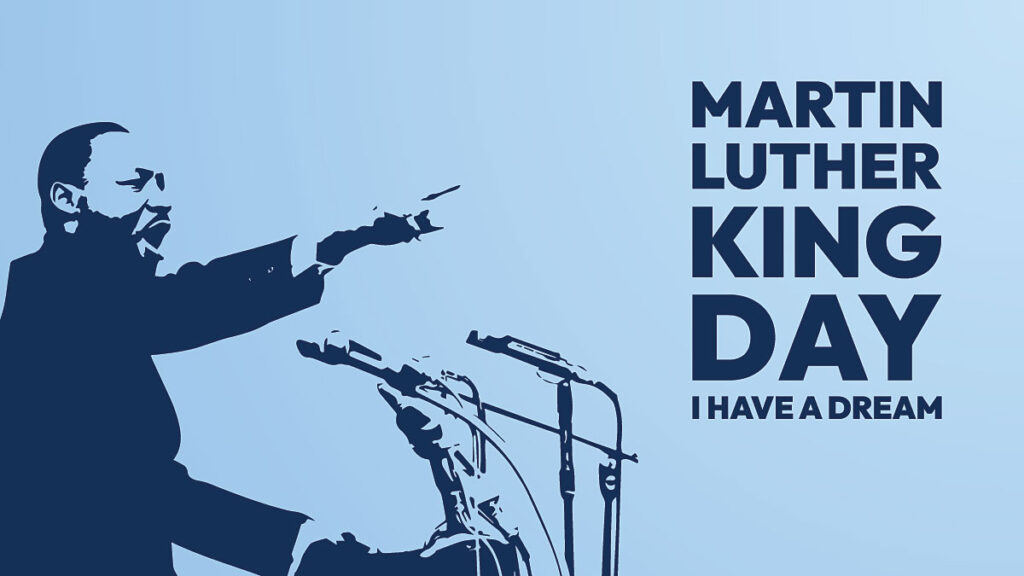
The most recognizable moment of his activity was the “I Have a Dream” speech, delivered in 1963 in Washington. In it, King spoke of an America where people are judged not by the color of their skin, but by their character. These words became a symbol of hope and a universal appeal for social justice that moved millions – also outside the United States.
Dr. King played a key role in the passage of the Civil Rights Act (1964) and the Voting Rights Act (1965) – legal acts that ended legal segregation and opened the way for real participation of African Americans in public life. In 1964, he became the youngest recipient of the Nobel Peace Prize, which confirmed the global significance of his actions.
He died tragically in 1968 in Memphis, but his death did not end the movement he co-created. On the contrary – it strengthened the conviction that social change requires courage, consistency, and a willingness to make sacrifices. Today, Dr. Martin Luther King Jr. Day in the USA is a day of reflection on civil rights and responsibility for the common good.
For many communities – including immigrants and the Polish diaspora in the United States – King’s figure remains an important point of reference. His story shows that the fight for dignity, equal opportunities, and respect knows no national or cultural boundaries. It is a lesson that continues to inspire successive generations.