Adequate availability of iron
Iron, as we know, is a much more accessible material in the world than bronze, for example. The most popular raw material for producing iron in ancient times was so-called bog iron ore and swamp ore. In these, the iron content sometimes reached up to 50% of the aforementioned element. They occurred most often right near the surface of the earth, so they were very easy to exploit. Sometimes, however, deeper deposits of iron ore were reached, but as we know, this involved time-consuming and quite difficult mining methods.
Reduction of oxides
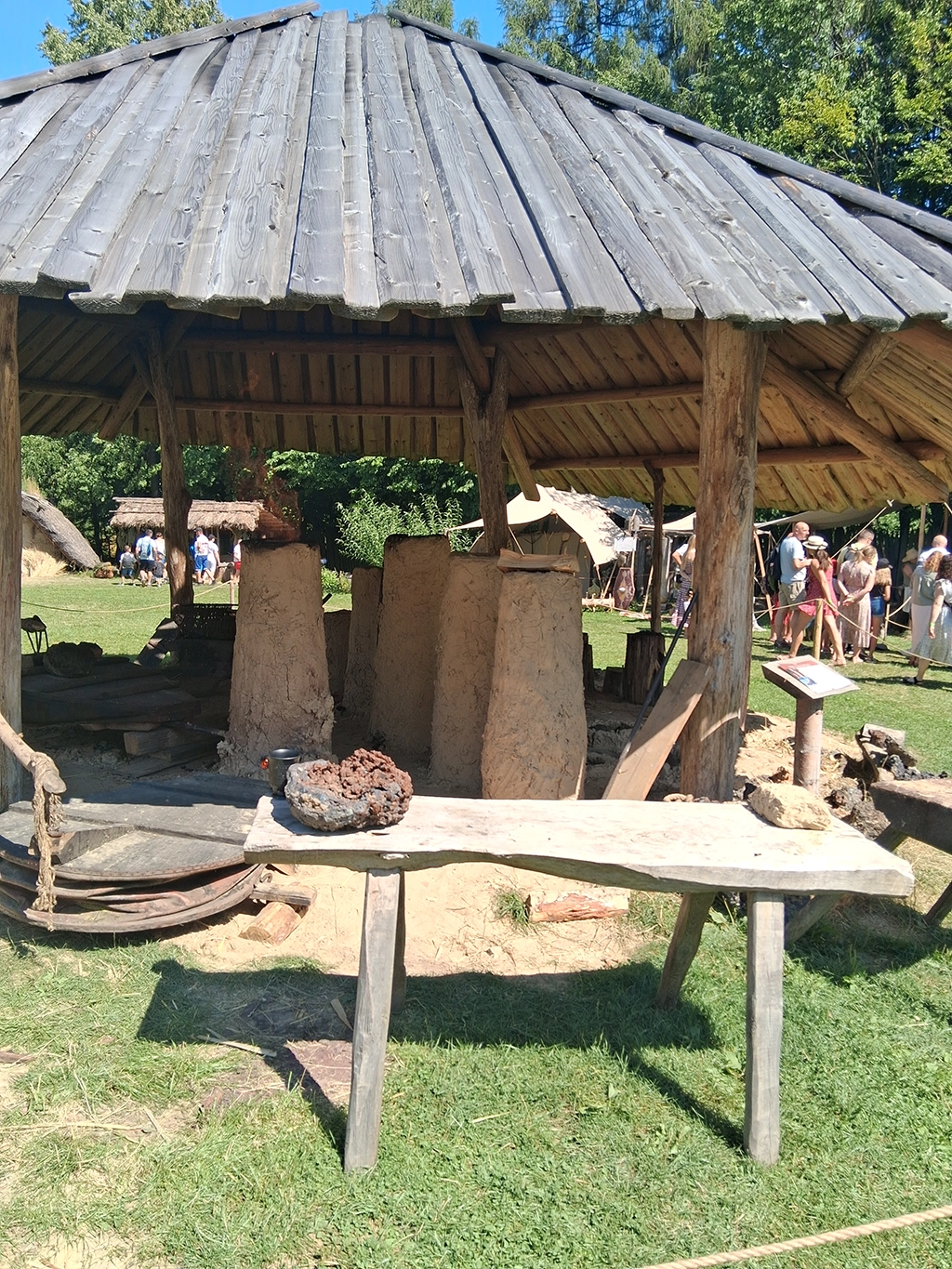
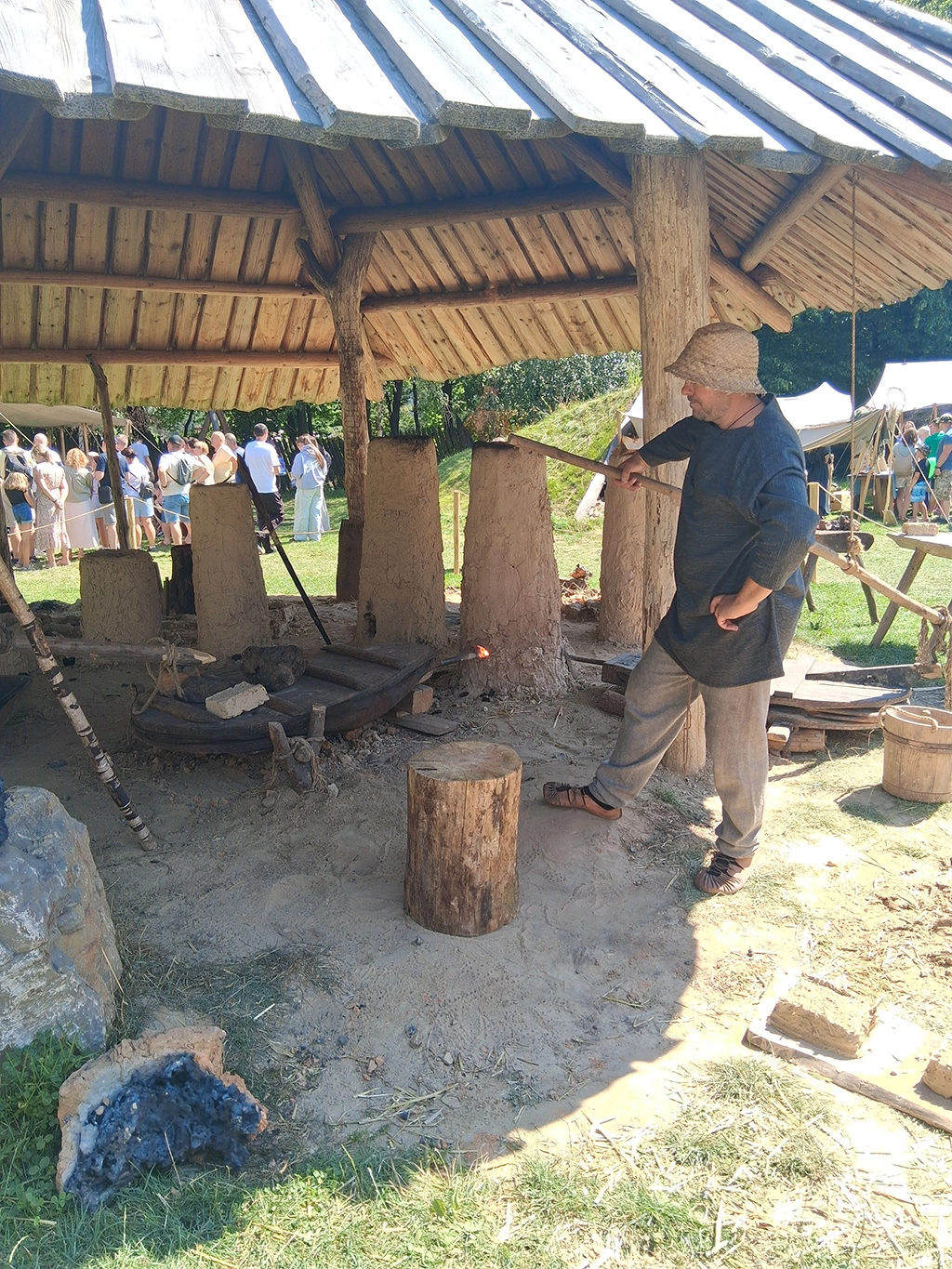
Iron was obtained at that time through the thermal reduction of the oxides contained within it. This also involved separating the pure raw material from any impurities. Another process that iron ores underwent was roasting with charcoal. In the earliest period of iron smelting, this was done in so-called open hearths. Only over time were draft furnaces, known as smelting bloomeries, used in this process.
Layered arrangement
Iron was therefore placed in the furnace in layers, together with charcoal. Then such a furnace was heated to a temperature of about 1300 degrees, and it was precisely then that the reduction of oxides and the formation of pure metal took place. As a result of the aforementioned process, humans at that time obtained the metal in the form of a bloom, which was then contaminated with charcoal. In order to get rid of these impurities, the bloom was forged while being heated simultaneously. Iron was also subjected to carburization and quenching.