Vatican News
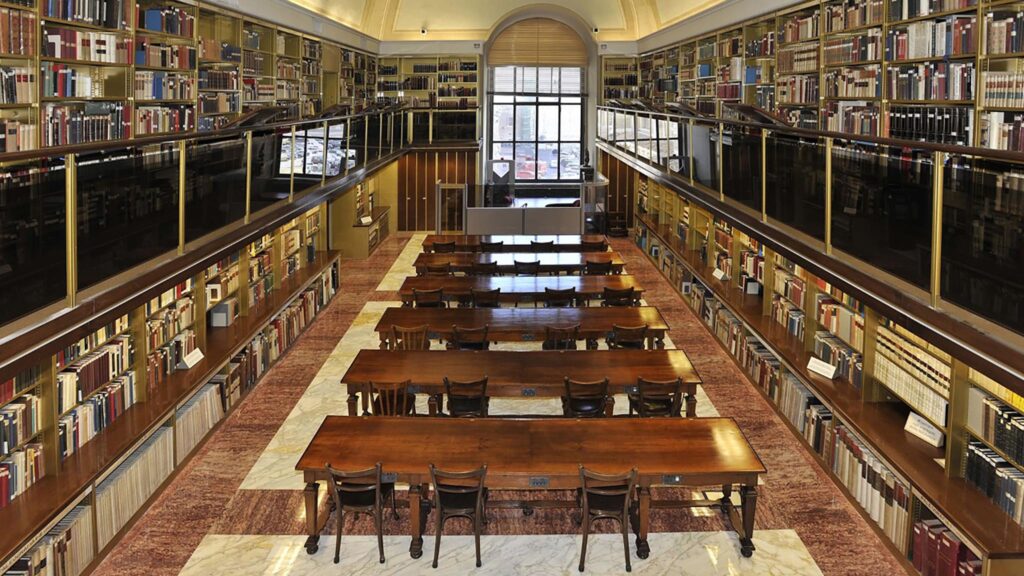
The initiative opens a new chapter in the centuries-old history of the Vatican Library’s mission, the conservation and dissemination of heritage, offering a broad and interdisciplinary reflection on the elements as a mirror of human fears and hopes. The very elements that pose a threat to collective memory thus become a universal allegory of humanity’s deepest fears in the face of everything that escapes our control.
History, science, and languages
According to Vatican News, the exhibition unfolds as an experience in which history, science, and contemporary languages intertwine, leading the viewer from a sense of threat to a gradual reconciliation with the element—a theme that is more relevant than ever in the context of the global climate crisis. It opens with a monumental installation titled “Diluvium” (Deluge) by the artist JR. Visitors then explore the connection between the centuries-old heritage of the Vatican Library, the world of water, and contemporary works by Bill Moran and Fulvio Pierangelini. The contemplative space has been organized in the evocative Barberini Hall.
Manuscripts, printed books, and treatises
The scientific and symbolic heart of the exhibition is Ippolito Salviani’s “Aquatilium animalium historia” (History of Aquatic Animals) from 1557. The treatise was funded by the Vatican Library. This masterpiece combines scientific knowledge, the art of copper engraving, and gastronomic culture. “The AQVA exhibition is also an opportunity to celebrate the 470th anniversary of the publication of the treatise in Rome,” says Rev. Monsignor Giacomo Cardinali, vice-prefect and commissioner for exhibition activities. Manuscripts, early printed books, and engravings illustrating the age-old connection between water and knowledge will also be on display: from Apicius’s “De re coquinaria” (On the Subject of Cooking), through the travel journals of Giovanni Battista Ramusio (a 16th-century Italian traveler and geographer), to marine bestiaries and numismatic curiosities.
Three protagonists of the exhibition
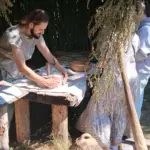
The renowned French artist JR has created two installations with a strong visual and emotional impact, which question the relationship between nature and culture. Through his Letterfishes, Bill Moran transforms typography into a visual language, bringing to life marine creatures composed of letters, numbers, and paragraph marks. “The privilege of creating a work for the Vatican Library allowed me to connect the past with the present, combining my family’s traditional typographic equipment and vintage wooden typefaces to create a new, original LetterFish,” says Bill Moran. Meanwhile, Fulvio Pierangelini explores the connection between water, cuisine, and memory through previously unpublished gastronomic stories: “I will tell stories and fish recipes discovered in the wonderful text that this magnificent library preserves with infinite care and wisdom,” announces one of Italy’s best-known and most acclaimed chefs.
The Vatican Library Restoration Laboratory
The exhibition concludes with a section dedicated to the Laboratory. It shows how water can be a cause of degradation, but also of the conservation and regeneration of book materials. The AQVA exhibition is configured as the first stage of a cultural project capable of connecting different disciplines, eras, and sensibilities, offering a profound reflection on the fragile balance between catastrophe and miracle. The exhibition will be open from September 25, 2026, to May 14, 2027.