Not only for history lovers
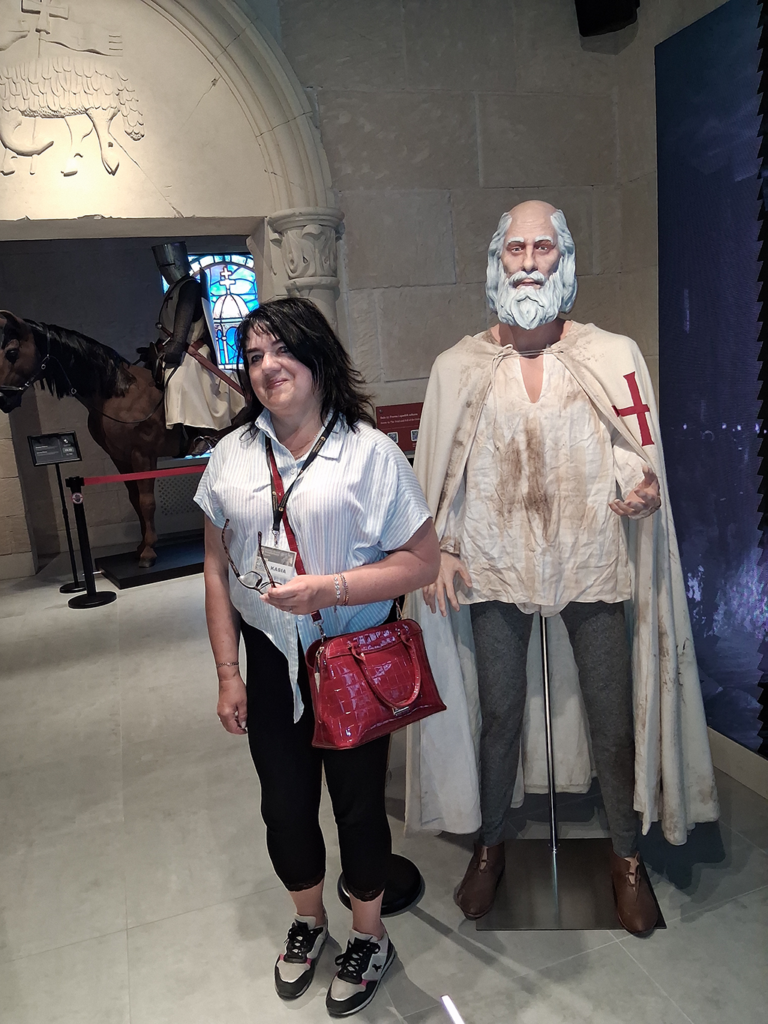
The Templar History Center allows every history lover, and of course not only them, to discover the history of the Templar Order more deeply. We were able to learn about this history in a unique way, because it is interactive.
Several sightseeing trails of this place
The Main Trail leads through significant events and figures associated with the order. This trail shows the history of the Templars from their origin until the fall and death of the order’s Grand Master, Jacques de Molay. The Opatów route frequently highlights spiritual, military, and political threads connected with the order. Thus, the Main Trail of the Opatów Templar History Center provides a better understanding of why this order was one of the most important medieval institutions.
In a short time
The Quick Expedition is a route that allows you to learn about the most important figures and episodes related to the order in a short time. This route places special emphasis on the most significant events in its history.
Plenty of secrets
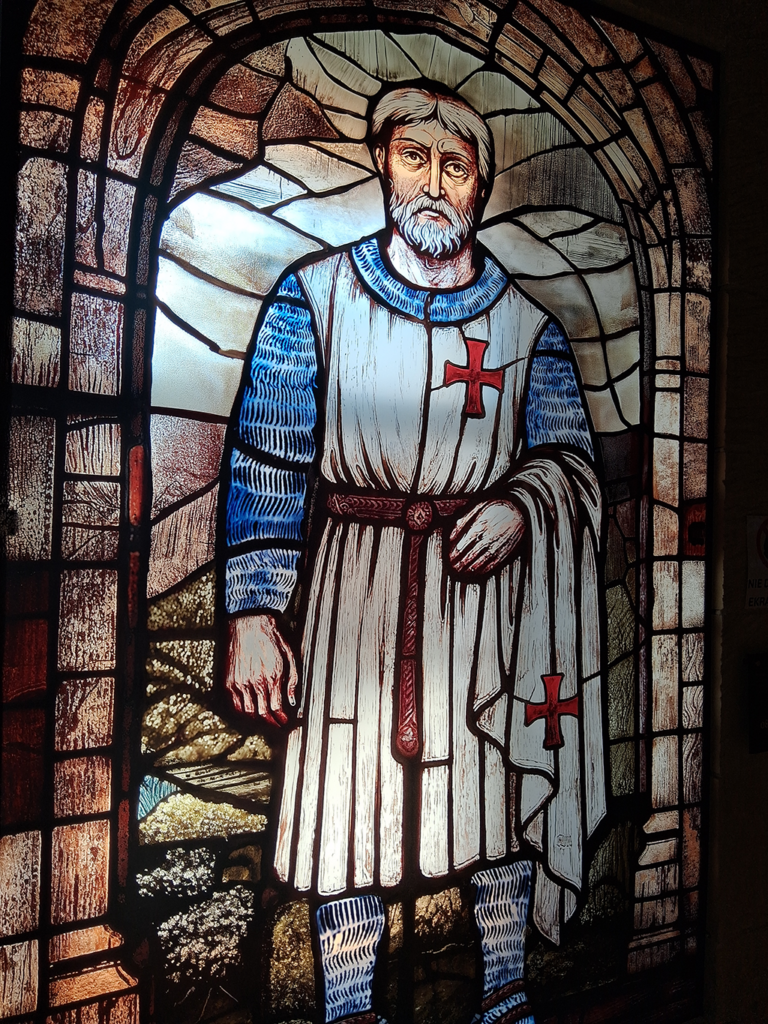
The Trail of Secrets is another path for discovering the Templars, and it is aimed at true history enthusiasts. This route includes puzzles concerning the order and its members. It reveals the perspective of Templar history alongside a series of secrets and unexplained episodes associated with it.
Pilgrimages were most important back then
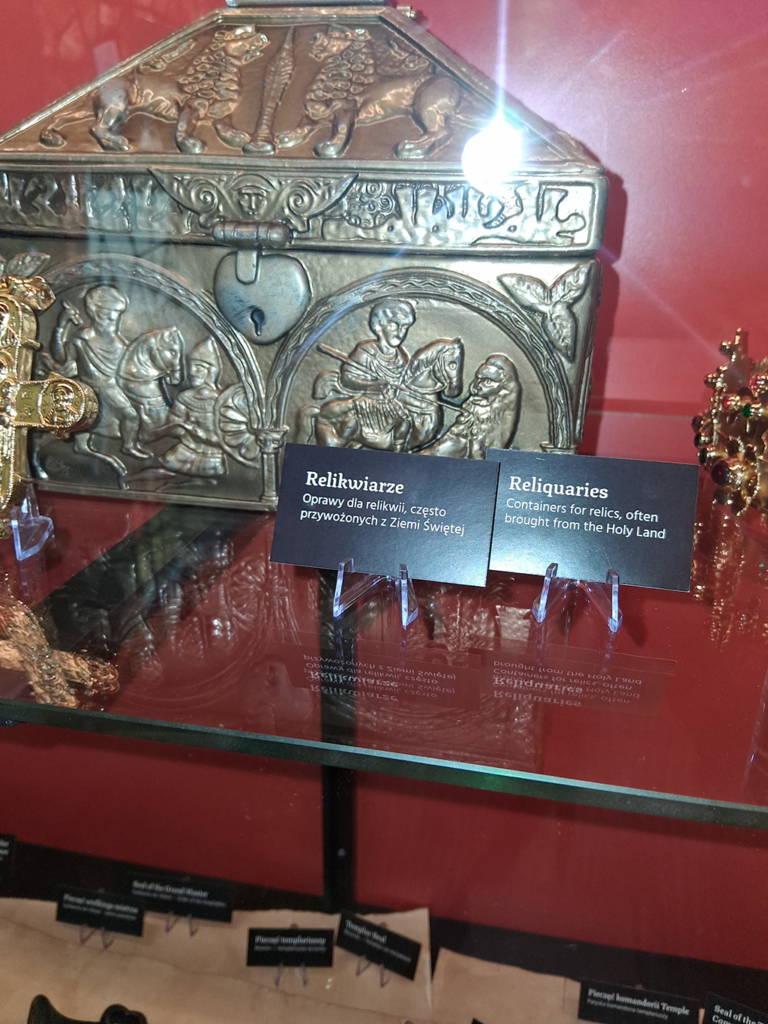
The Pilgrimage Trail, on the other hand, shows visitors the religious aspect of the order, the purpose of the crusades organized by the order, and the role of holy places in Europe during the Middle Ages. This route uniquely focuses on spirituality, relics, and a number of expeditions organized to the Holy Land.
Waging battles and defensive combat
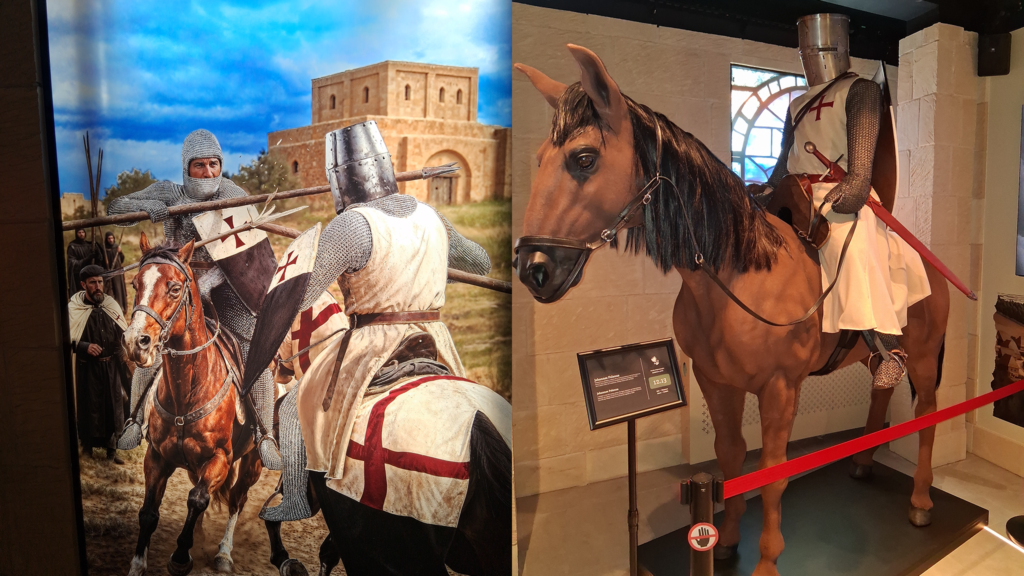
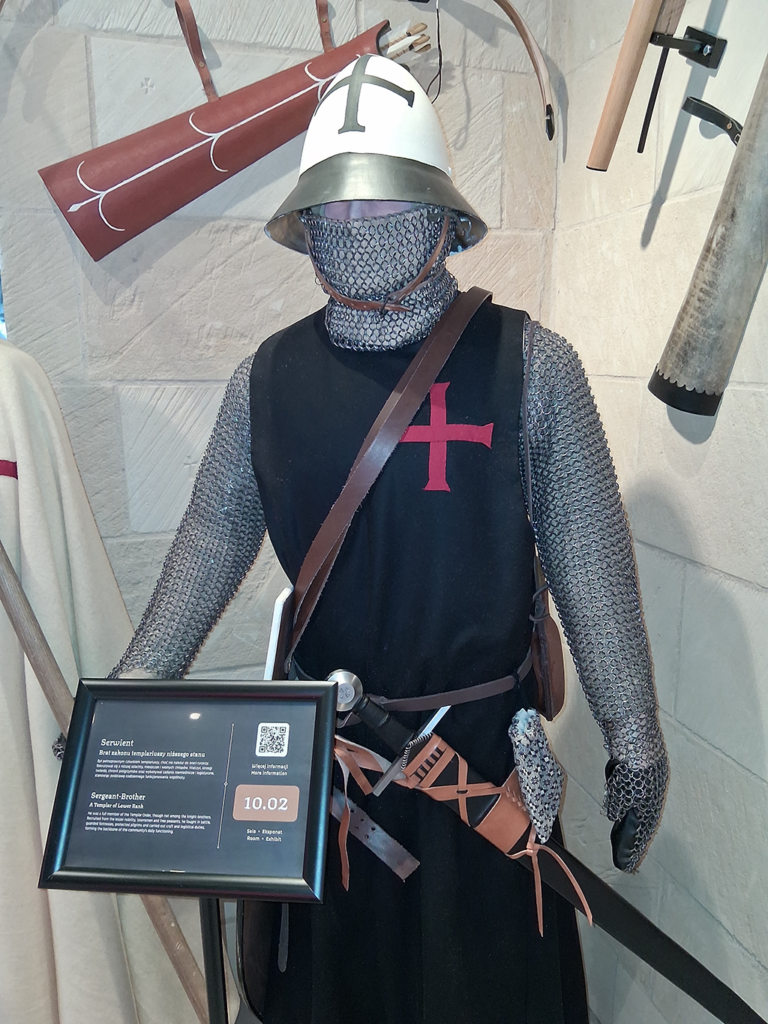
The Military Trail, as is well known, focuses particularly on the knighthood of these friars, their battles, and their defensive architecture. This route interestingly covers the Templars’ weaponry, the strategy of every battle they fought, and their complete military-organizational structure. It also includes the fortresses and castles that testified to the extraordinariness and power of the Templar Order.
Modernity in the Templar History Center
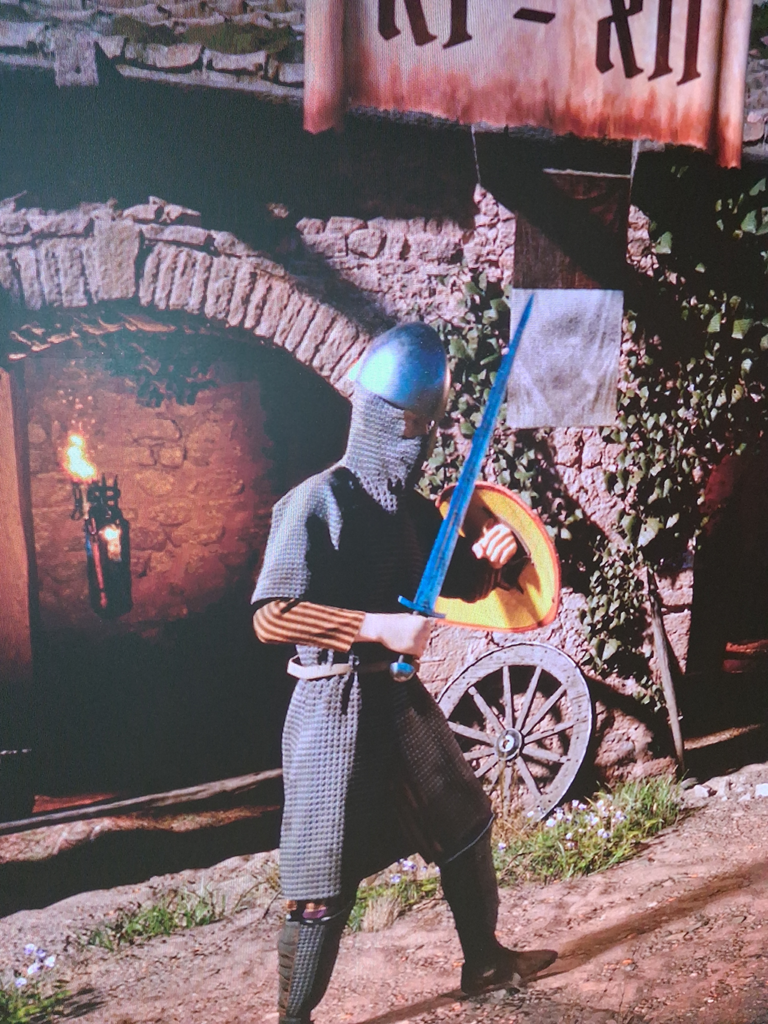
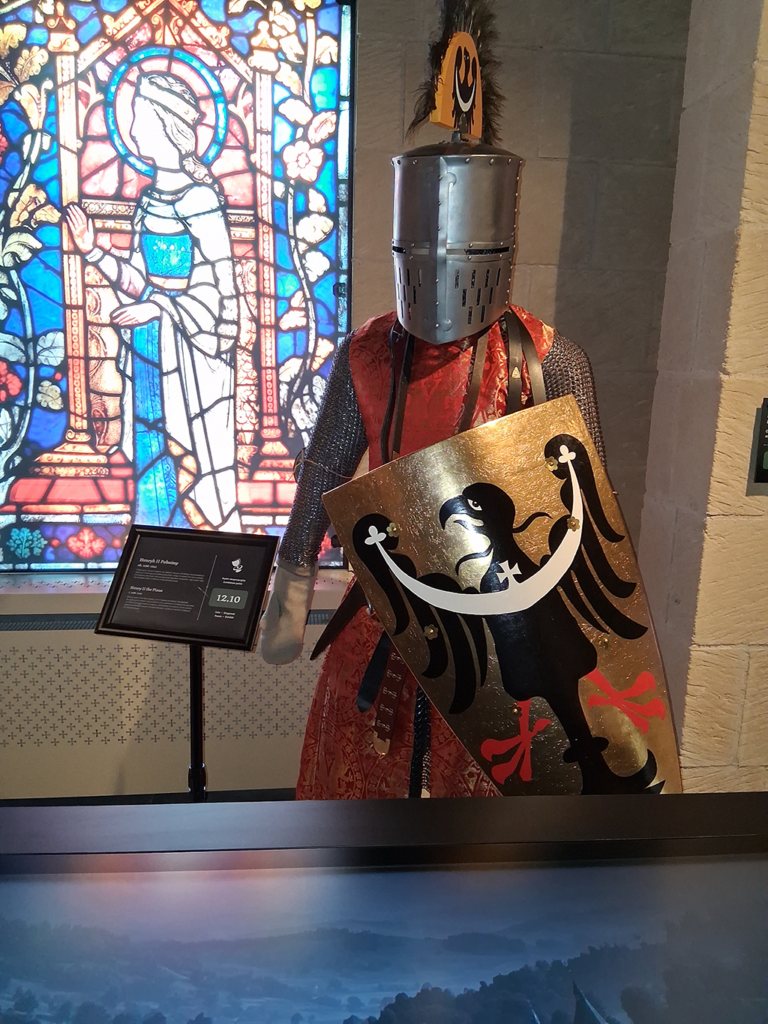
The Templar History Center in Opatów is equipped with the latest multimedia technologies, which naturally enable an interactive tour of individual historical exhibitions. Among these technologies, it is worth mentioning holograms, touch screens, interactive tables, a mobile app, Projection Mapping, as well as directional sound systems.
Who were the Templars
The Poor Fellow-Soldiers of Christ and of the Temple of Solomon, in other words the Templar Order, was founded in 1118. The order took vows of poverty, chastity, obedience, and fighting for the faith according to the Cistercian rule of Saint Bernard of Clairvaux. The Templars, or “knight-monks,” committed themselves to defending pilgrims to the Holy Land as well as protecting potential pilgrimage routes. In 1120, they received the Al-Aqsa Mosque, which had been converted into a church, from King Baldwin II of Jerusalem. A few years later, the Templars constituted themselves as an order, having received a special monastic rule in the process. The motto of this rule was the phrase “Memento Finis,” meaning “remember the end.” The Latin rule consisted of seventy-two articles that discussed the religious and, of course, military duties of the brethren.
The Templar treasure according to an old legend
The founder of the Opatów collegiate church of Saint Martin, the powerful Jaksa Gryfita, built the local temple in a style resembling Saxon buildings. As we managed to establish, former chroniclers linked the “Saxon style” in their descriptions to the influences of Western orders. According to legend, it was he who brought the Templars to Opatów. An underground tourist route now runs beneath the town of Opatów. Local stories and secret tales connected these corridors to a refuge for the Templars and their extraordinary wealth. Jaksa Gryfita was born around 1120 and died on February 27, 1176. He was a powerful feudal lord in Lesser Poland and, as historical sources state, the son-in-law of the palatine Piotr Włostowic. He is credited with founding the Opatów collegiate church and, of course, bringing the Templars here, while more malicious tongues say he was interested in the wealth of this order. By the way, Jaksa founded the Order of the Holy Sepulchre monastery in Miechów, which took place after his return from a pilgrimage to the Holy Land in 1162.
Hidden treasure
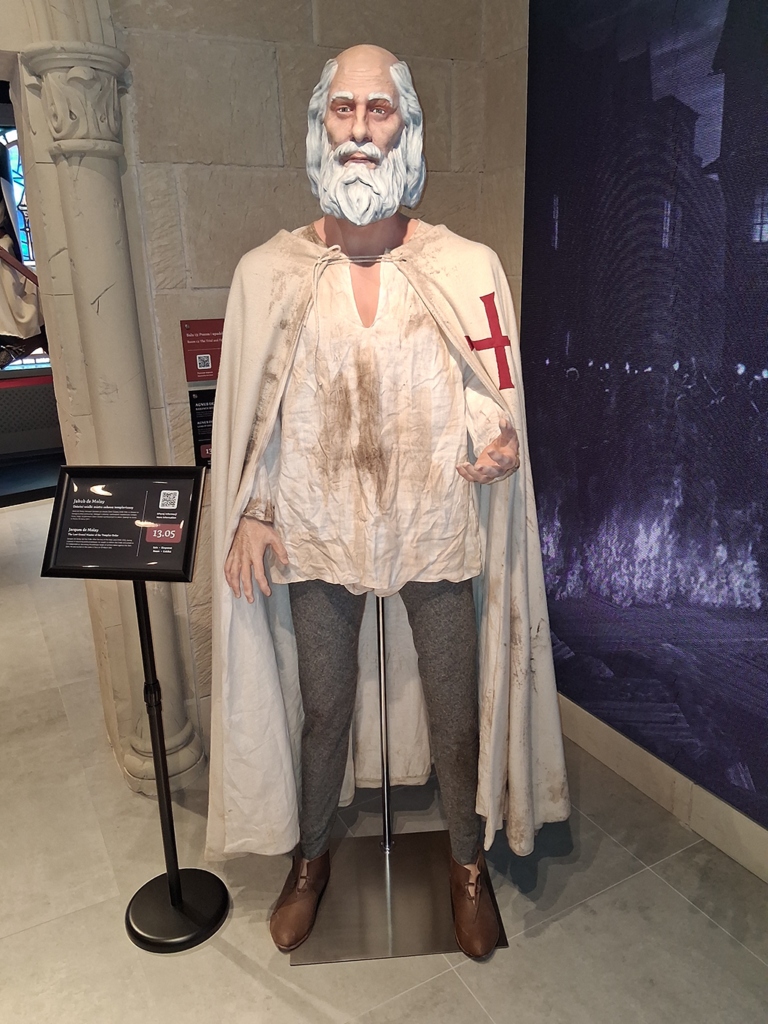
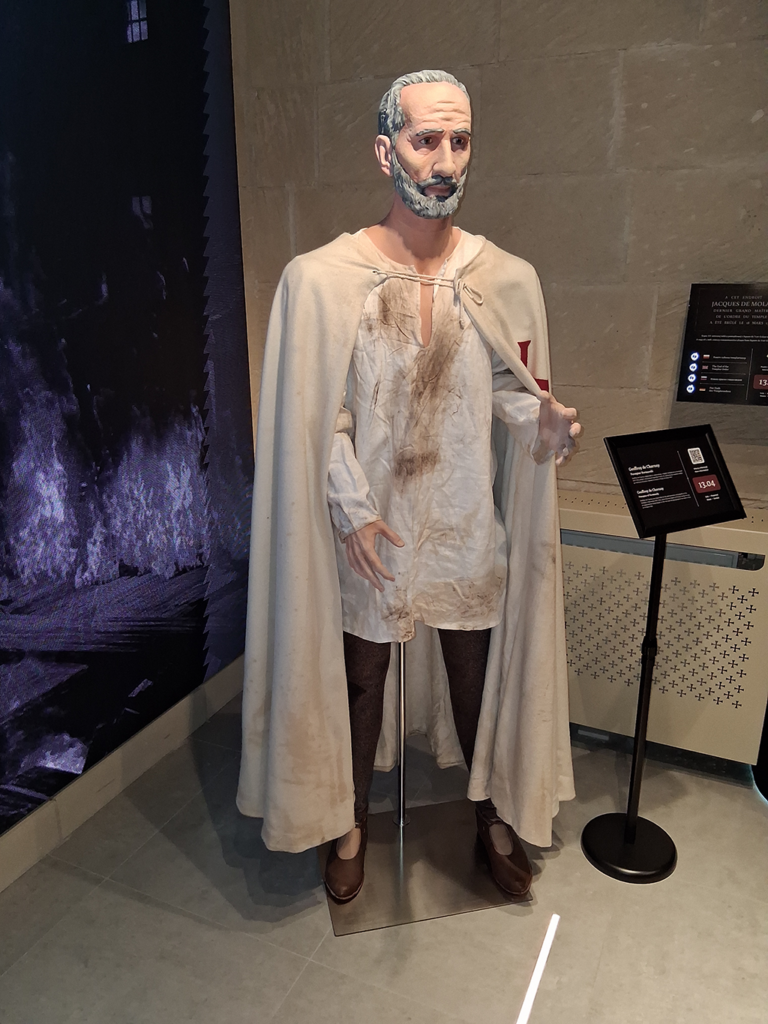
Seeing a good place in the undergrounds of Opatów, the Templars hid a large part of their wealth there. But none of the town’s residents knows exactly where it is located. Only the bravest residents of Opatów, on the night of March 18 every year—because it was then in 1314 that Jacques de Molay, the last Grand Master of the Templar Order, died at the stake—descend into the town’s undergrounds, because de Molay appears right where the aforementioned treasure of the order is hidden. At the Opatów Templar History Center, the braver visitors can see the “multimedia ghost” of Jacques de Molay, cursing those who led to his death.