Karol Darmoros
First time in Poland
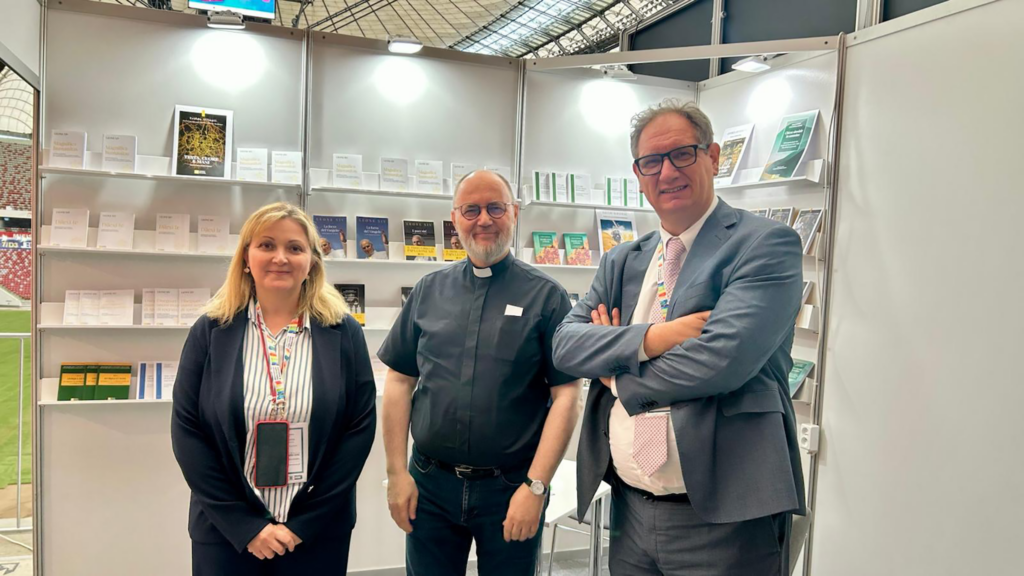
Lorenzo Fazzini of Libreria Editrice Vaticana notes in an interview with Vatican News that participation in the Warsaw fair is part of a special moment in the publishing house’s history. “This is the first presence, which also falls within the special year of Libreria Editrice Vaticana’s 100th anniversary,” he says.
He adds that LEV wants to celebrate the jubilee “primarily on an international level”. Therefore, its presence in Poland is of particular significance. Fazzini points to a country “with a very strong and vibrant Catholic and Christian tradition,” which gave the universal Church St. John Paul II, and at the same time possesses a rich world of Catholic publications and an interest in religious topics even outside this environment.
Cooperation with publishers
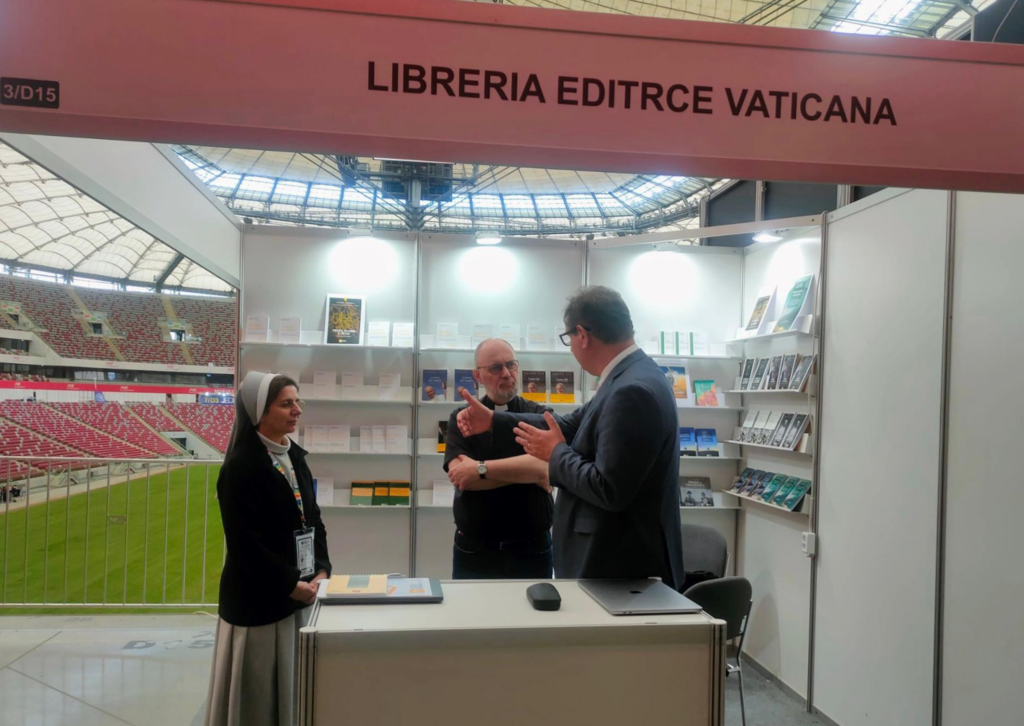
The aim of LEV’s presence in Warsaw is to present the Vatican publishing house, but also to build relationships with the Polish book market. Fazzini emphasizes that it is about “introducing ourselves, making ourselves known, establishing new contacts, starting new collaborations.”
He describes the Warsaw fair as a place “very lively, very rich, very well-attended, especially by those who love books.” He also draws attention to the presence of many young people and students.
Teaching and dialogue
One of the main tasks of Libreria Editrice Vaticana remains the dissemination of the teaching of the Holy See, starting from the papal magisterium. Fazzini also speaks of the need to recall the richness of the teaching of previous Popes and to publish texts by the current Holy Father Leo XIV, which are being translated or prepared for publication in Polish.
The second important direction is to present authors from various parts of the world: cardinals, thinkers, and people of the Church. These are individuals who show that Christianity can engage in dialogue with contemporary culture and contribute to social life.
Common good
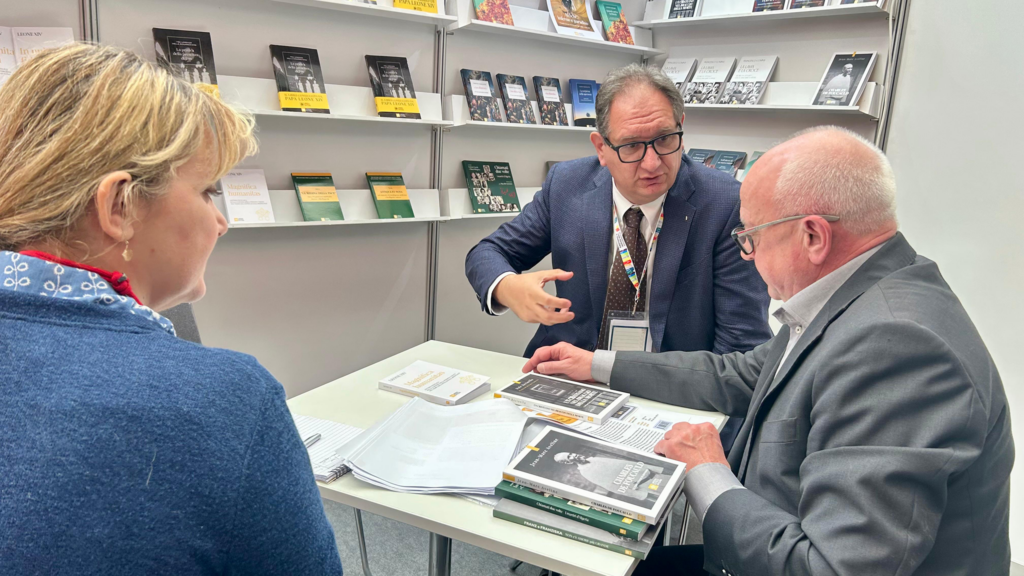
Fazzini indicates that topics such as poverty, social injustice, care for creation, and solidarity with the poor and migrants occupy an important place in LEV publications. As he says, it is about two fundamental directions: “thought that enters into dialogue with today’s culture” and “evangelical witness that becomes a service to the common good.”
Fazzini summarizes the message to Polish publishers and readers by quoting the Italian journalist Giorgio Torelli: “The Gospel always remains current news.” He adds that it is “the Good News in the highest degree” and that is why it always remains current.
Fazzini emphasizes that this message should not be confined exclusively to Catholic audiences. “When a message, a text, a book, or an author is truly Christian, they are truly human, and thus speak to everyone,” he notes. Therefore, he adds, even non-believers can view the contribution of believers and the Church “as a gift, as a service, as an aid in reading and better understanding the world in which we live.”
Polish language
The LEV representative also notes the growing importance of the Polish language in Vatican communication. Fazzini emphasizes that for LEV, this fits into the logic of closeness to nations, societies, and cultures that use a given language.
As he points out, it is important to establish relationships with local publishers, because they know the readers, their needs, and sensitivities. Therefore, LEV’s presence in Warsaw is intended to be not only a trade fair event but the beginning of closer cooperation with Polish publishers and readers.