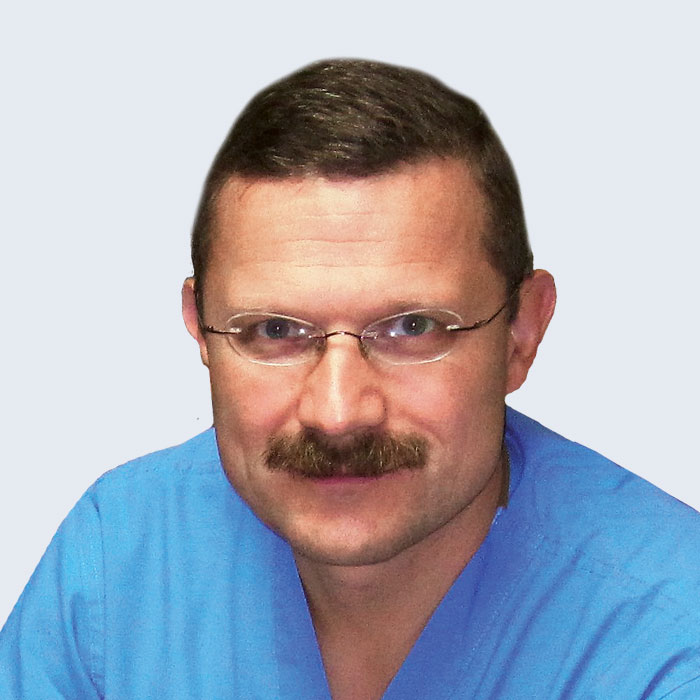
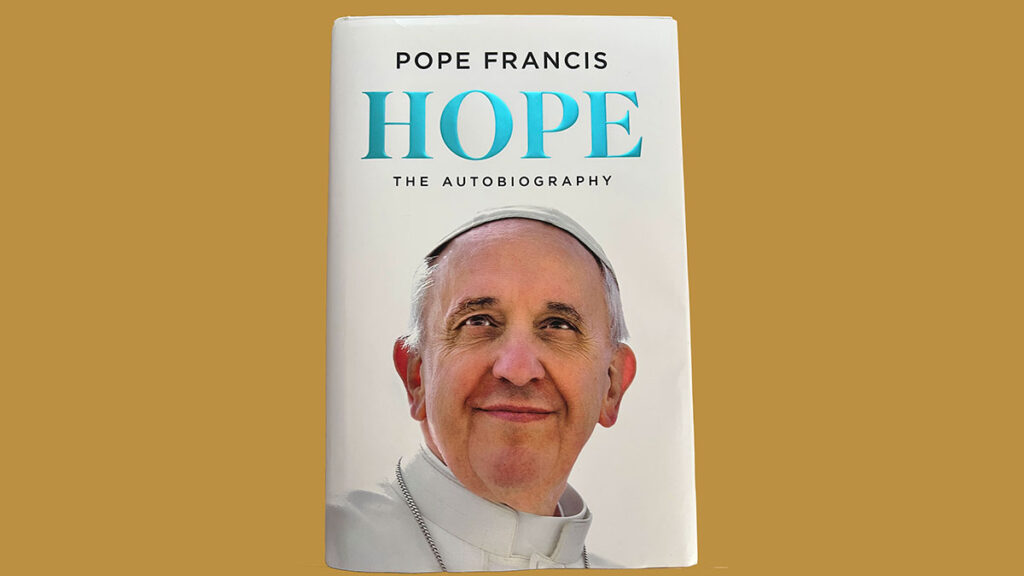
As a physician, I would like to draw attention to one, seemingly small, but extremely important message from this book — its reflection on hope in a secular dimension and the far-reaching consequences of this concept for health and healing.
“HOPE is a real and tangible experience, even in a secular sense. The scientific community today recognizes it as one of the most powerful survival mechanisms in nature – for example, in response to illness. It is a complex trait that equips our brain with chemical targets that can be influenced by social interactions, words, and thoughts. Recent discoveries prove that trust, expectations, and positive feelings mobilize countless molecules, and this important psychological component acts on the same biochemical pathways as medications. In short, human hope is much more than an illusion or mere trust: it is, in essence, a medicine and a remedy.”
A Physician’s Perspective on Hope
Patients often call hope the “best medicine” – though intangible, it is an essential component of the healing process and coping with illness. From my experience, hope operates on three levels:
- Cultural: Traditions and shared values shape how communities understand and express hope.
- Philosophical: Hope constitutes an existential determinant; it is an experience and a moral virtue.
- Practical: It has a huge impact on therapeutic decisions, experiences in the face of death, and the course of chronic diseases.
Cultivating hope in healthcare is not about making false promises or denying reality. Rather, it is about recognizing the different faces of hope – from hope for recovery, to hope for relief, to hope for meaning – and supporting patients and their families in a way that aligns with their cultural background and values.
Ultimately, hope can improve quality of life and even treatment outcomes: engaged, hopeful patients are often more willing to cooperate with the medical team. Ethically, maintaining hope respects the patient’s dignity; it affirms that no matter the severity of the illness, there is always something valuable to hope for – here or in another life. The challenge for doctors and nurses is to understand the complexity of hope: to be honest yet compassionate; to acknowledge suffering but also point to possible good; and as the situation changes, to help redirect hope rather than let it fade.
These principles are crucial, especially in palliative care, where hope protects against despair and alleviates suffering. However, this applies to all of medicine. By combining different cultural and philosophical perspectives on hope, medical personnel can treat not only the body but also the spirit. In the face of illness, hope gives patients and their caregivers a reason to persevere – a light that guides them through the darkest moments towards an unknown outcome.
These ideas are not merely anecdotal: a growing body of research confirms the therapeutic power of hope in the healing process and in building resilience.
Reading Pope Francis’s book “Hope” brought to mind many patients, their family members, and friends who, through the power of hope, overcame the greatest obstacles.
I pray that God grants Pope Francis the most beautiful of hopes – that he finds peace in the presence of his Redeemer, Jesus, in heaven.
For all those seeking inspiration and insight into the essence of hope, I recommend reading Pope Francis’s book “Hope.”
May he rest in peace.