
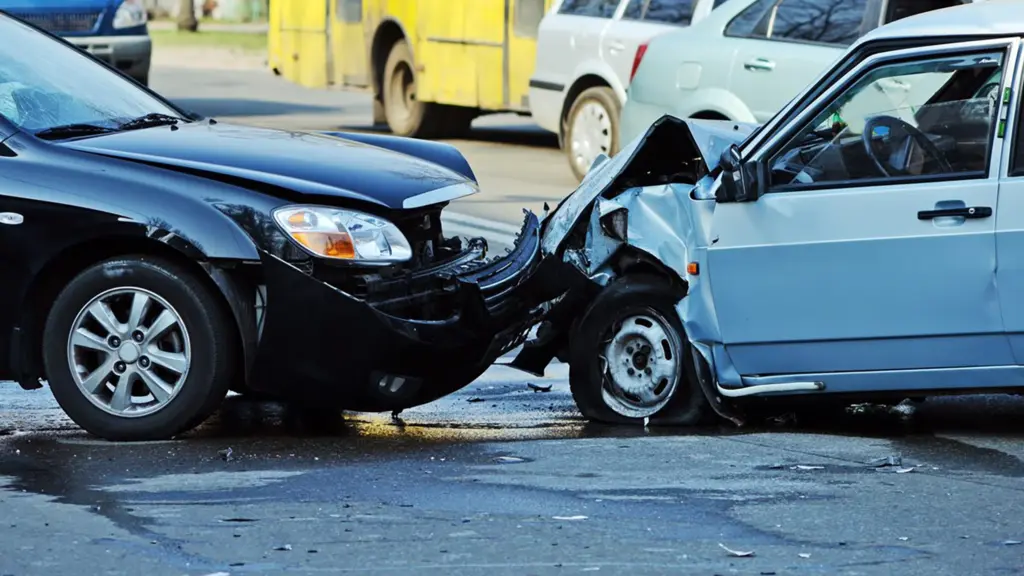
After a car crash in New York, many injured people are convinced the no-fault system settles the whole matter. That is a misunderstanding that can cost thousands of dollars. No-fault is only a starting point — full compensation from the at-fault driver follows separate rules that are worth understanding.
The difference between no-fault benefits and a lawsuit against the at-fault driver is often the difference between reimbursed bills and full compensation — including pain and lasting injury. The key is the “serious injury” threshold that opens the courtroom door. Here is what the system actually covers, where it ends, and when the fight for a full claim begins.
The no-fault system — what it actually covers
New York uses a no-fault system, also known as PIP (Personal Injury Protection). In practice, that means an injured person’s own insurer usually covers basic medical costs and part of lost wages after a crash — regardless of who was at fault. The model is meant to speed up access to medical care without waiting for a determination of who caused the collision.
The catch is that no-fault has its limits. PIP benefits are capped and generally do not cover compensation for pain and suffering or the full extent of lost income in more serious cases. For someone with a minor injury, that may be enough. For someone with more severe injuries, it is not — and that is where the second, far more important part of the case begins.
It is also worth keeping the seasonal realities of New York roads in mind. In winter, icy pavement, sleet, and early darkness raise the risk of collisions, and weather can complicate establishing exactly how an incident unfolded. That is descriptive context that professional drivers working in the city year-round know well.
The “serious injury” threshold — when the path to a lawsuit opens
To step outside no-fault and pursue full compensation directly from the at-fault driver, an injured person must meet the “serious injury” threshold set out in Insurance Law §5102(d). The statute lists specific categories of serious injury — among them fractures, permanent loss of use of a body organ or system, and a significant limitation that persists for an extended period. Only meeting those criteria opens the door to a civil lawsuit for pain, suffering, and the full extent of the losses incurred.
That distinction carries enormous practical weight. Assessing whether a particular injury falls within the “serious injury” categories requires both legal analysis and solid medical documentation. Details of the process and the rights of an injured person are set out in the PolishPages guide to car accidents and compensation.
Polish professional drivers — cab drivers, rideshare drivers, and delivery workers — can face a harder road here. For them, even a few weeks unable to drive means real lost income, and such losses are easy to overlook in a quick settlement offered by the other side’s insurer.
Expert perspective — Edward Sanocki, Esq.
“Many people after a crash in New York accept an early offer from the other side’s insurer that is far below their actual losses,” says Edward Sanocki, Esq., of Sanocki Newman & Turret. “The first thing is to notify your own insurer quickly. The second: do not sign anything until you have had the matter reviewed. A signature on an early settlement can close off the path to what is genuinely owed.”
Sanocki explains that a car crash in New York can give rise to two parallel claims: an insurance claim (no-fault/PIP) and a civil claim (against the at-fault driver). “Those are two different paths, each with its own deadlines. That is why an early consultation matters so much — it is easy to miss the moment when the case calls for a decision,” he notes. In the firm’s experience, the sooner an injured person seeks advice, the more fully the consequences of the crash can be documented.
Sanocki Newman & Turret’s experience in motor-vehicle cases includes significant outcomes for injured people — among them cases resolved in the range of $11.2 million and $3.5 million. Prior results do not guarantee a similar outcome in any other case, but they show what can be at stake after a serious crash.
The Sanocki Newman & Turret listing, with services and client reviews: view the SNT profile on PolishPages
This article is informational. Prior results do not guarantee a similar outcome. This is attorney advertising.