Basketry techniques
It is believed that one of the first basketry techniques was related to the creation of baskets and mats, which people needed, for example, for sitting. Once basketry had reached the peak of its potential, ceramics came to the fore. Over time, the production of ropes and fabrics was added to these handicraft products. This happened during the processing of plant and animal fibers. It was then that humans invented various weaves of these fibers, making it possible to create, for example, clothing. Already in the Middle Ages, the so-called Craft Guilds came into existence, uniting master craftsmen. Individual guilds imposed rules on their artisans regarding, for example, the proper marking of the manufactured raw material, its sale, and the collection of an appropriate fee for its disposal. Raw materials “marked” with the symbol of the craft guild gained in value.
Separation from agriculture
In Poland, as well as in the Old Continent, of course, crafts and handicrafts began to separate from agriculture. It was then, for example, that blacksmithing, cooperage, and pottery were established in the early Middle Ages, providing a livelihood for many households.
Quilling at the “Ustronie” Club in Radom
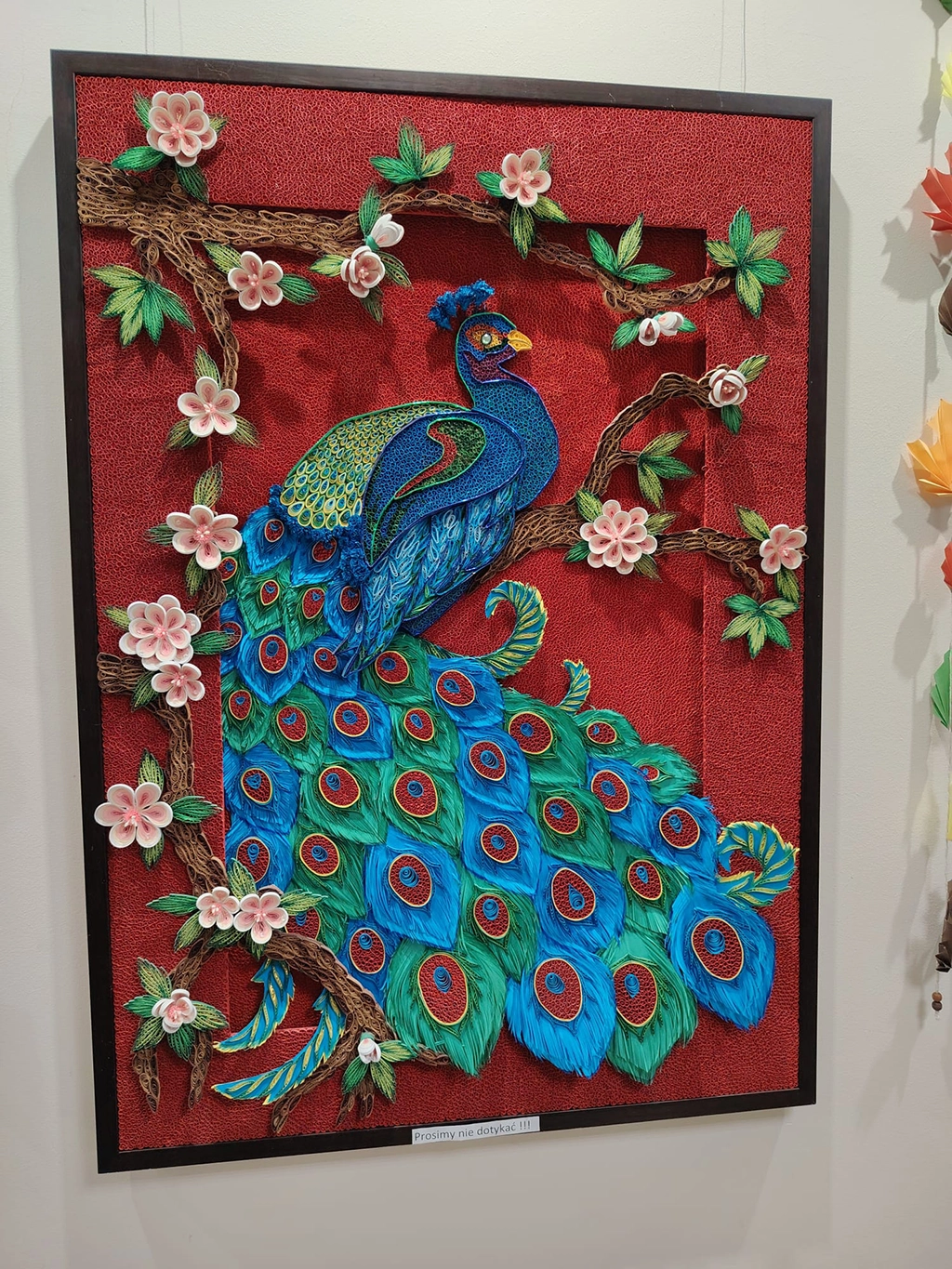
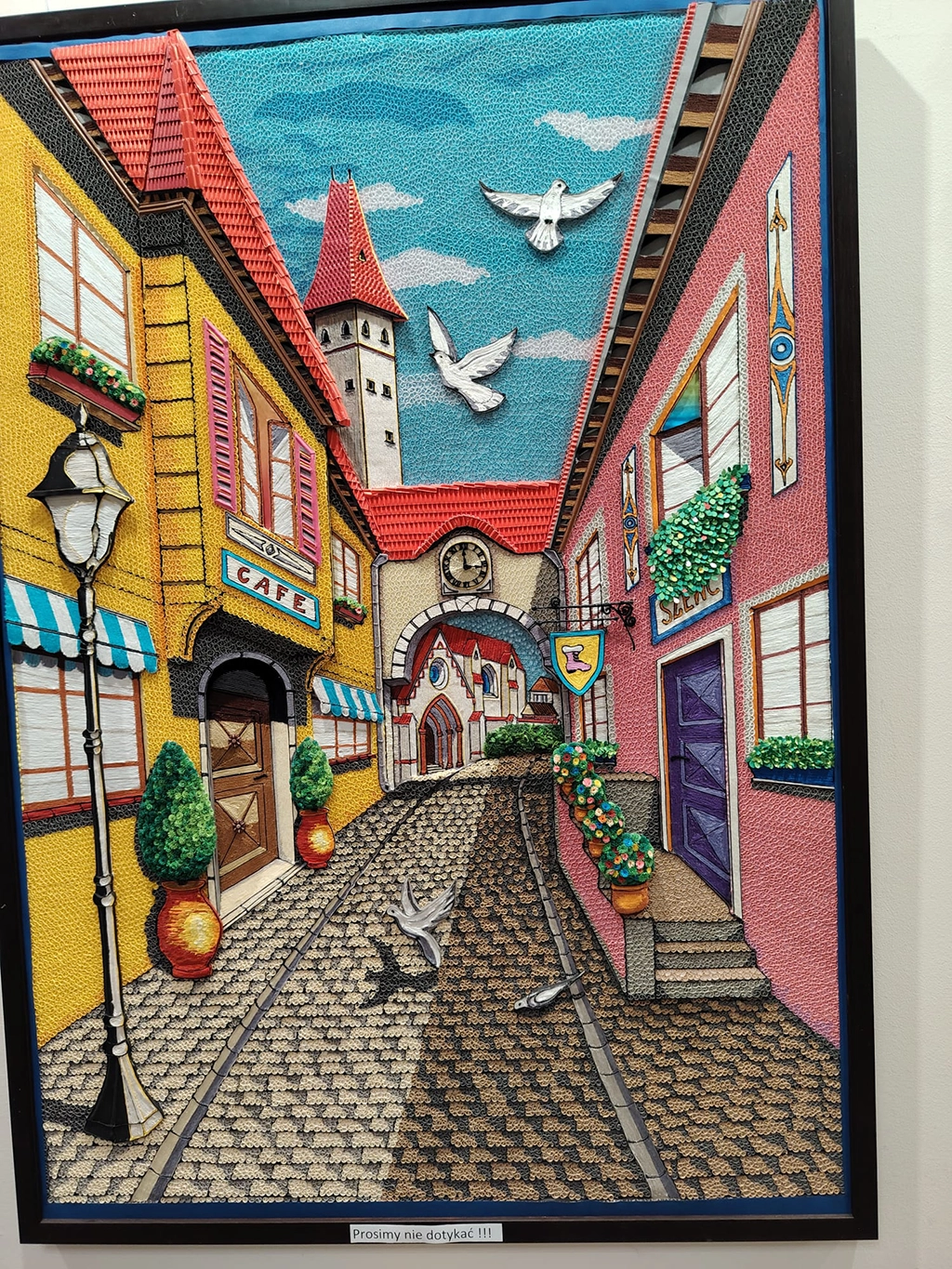
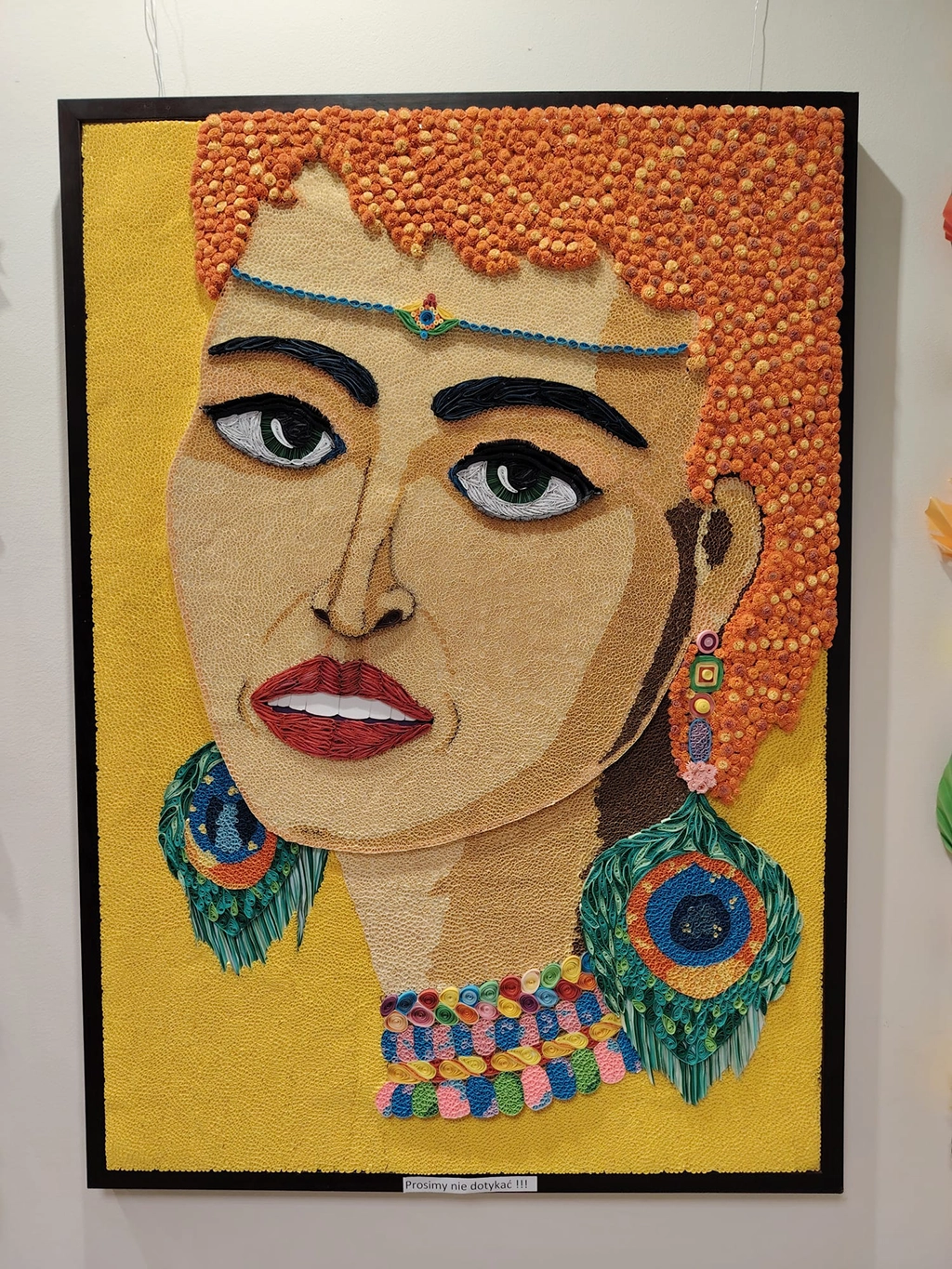
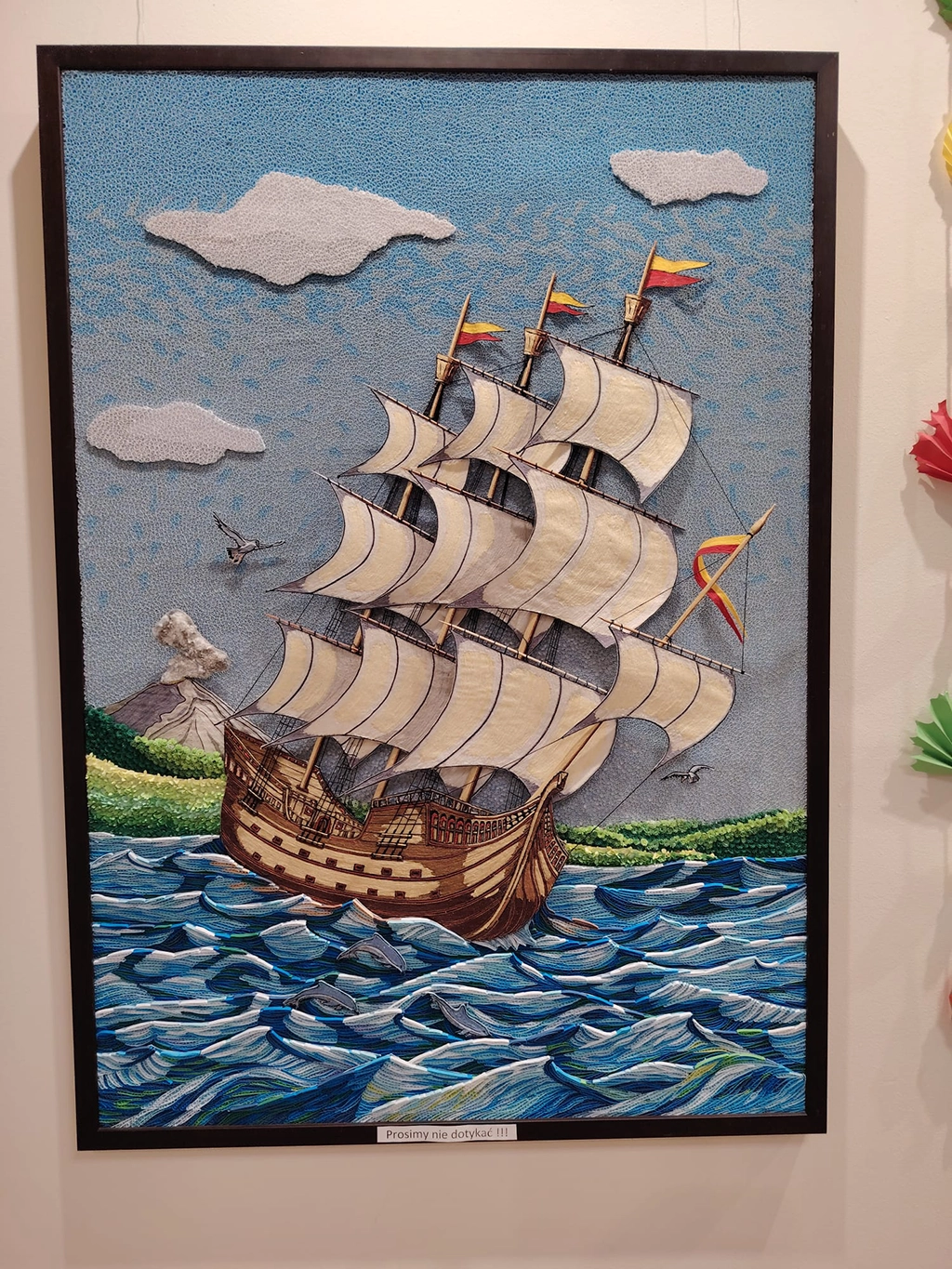
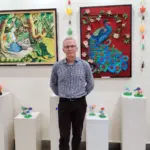
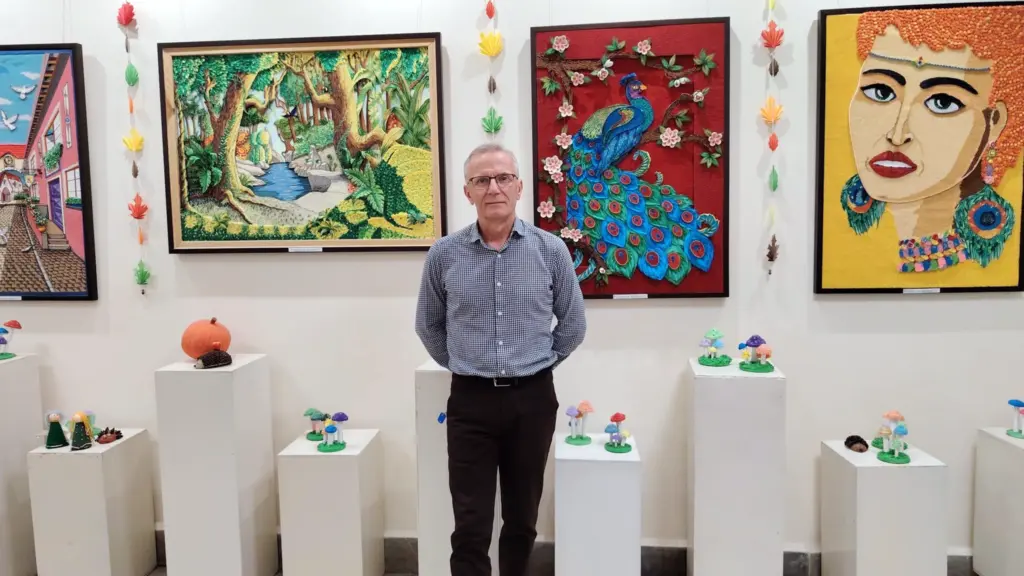
One of the forms of artistic handicraft is the rare art of quilling. As we know, quilling is a paper craft technique. It is a form of paper filigree that involves precisely winding very narrow strips of paper onto a needle or a special quilling pen, and then shaping them into spirals, with the final effect of gluing them into very fanciful 2D and 3D designs. It is also worth noting that these strips of paper usually have a width of 3 to 7 mm. Such an exhibition of quilling works was presented to the Editorial Office of the “Polish Diaspora Journal” at the “Ustronie” Housing Estate Club in Radom.

What is needed
To create such works, one needs strips of paper and a needle with a split tip, used for winding the strips. Another important element is bookbinding glue with a precise applicator. Once we have all these items, we then need to purchase a board with circular indentations to control the size of the coils, which can be wonderfully replaced by, for example, a cork mat. We must also mention tweezers, which are necessary for holding and then gluing small elements into place.
Presented handicraft works
The works viewed by the “Polish Diaspora Journal” in Radom were created using precisely the quilling technique, utilizing strips 3 and 6 mm wide. In some of the pictures, threads and colorful crochet cotton were also used. In the early works presented at the “Ustronie” Club, the quilling strips were cut by hand with scissors; later on, these strips were partially purchased. The designs of the works viewed by our Editorial Office were created by Mirosław Mendyk, and the gluing of the elements was done jointly with Ms. Renata Czubak.