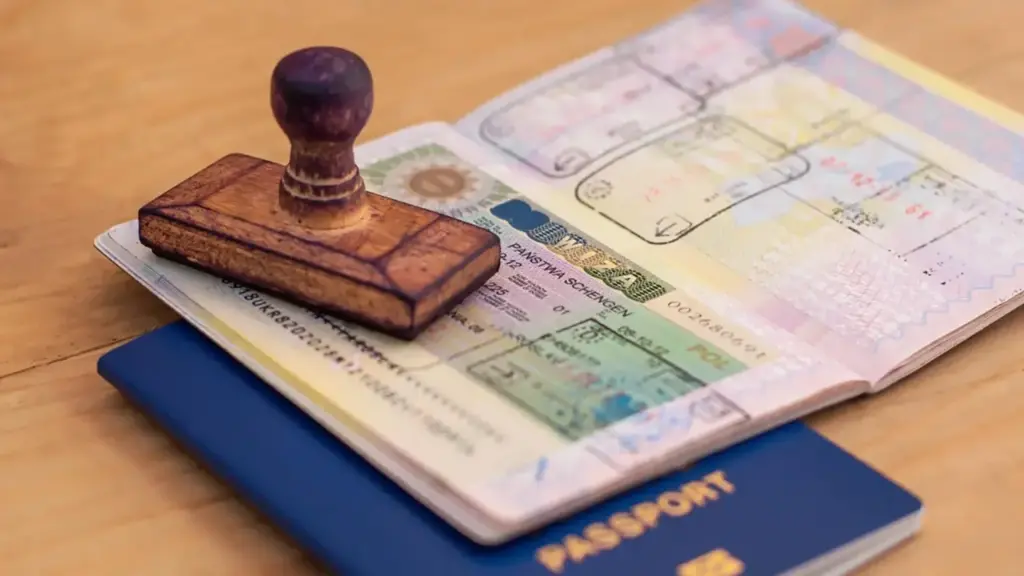
The US Department of State confirmed on travel.state.gov that as part of visa application assessments, it examines candidates’ “online presence” to screen out individuals who are ineligible for entry or pose a security threat. The statement emphasized: “every visa adjudication is fundamentally a national security decision.” The department also reminds applicants that receiving a visa “remains a privilege granted at the government’s discretion, not an entitlement.”
Who this has long applied to
Before the new categories were added, the requirement to set social media profiles to “public” or “open” already applied to a broad group of applicants important to the Polish-American community: students and their families (F-1, F-2, M-1, M-2), exchange participants—including the au pair and Work and Travel programs popular among Poles (J-1, J-2), H-1B and H-3 workers along with their families (H-4), fiancés of US citizens and their children (K-1, K-2, K-3), clergy and religious workers (R-1, R-2), cultural exchange participants (Q), as well as diplomatic and domestic employee categories (A-3, C-3, G-5) and protective categories for victims and witnesses of crimes (S, T, U).
What changes starting October 1st
Three more categories are now being added to this list: the I visa for foreign media representatives (journalists, correspondents), and the TN and TD visas used by Canadian and Mexican professionals working in the US under the USMCA agreement, along with their dependent family members. TN/TD visas rarely apply to Polish citizens, but the very fact of this further expansion indicates the direction of visa policy: the list of categories subject to social media screening is steadily growing.
What this requirement does not include for now
The State Department’s announcement does not mention B-1/B-2 tourist and business visas or immigrant visas (permanent residency)—these categories remain off the list for now. Visa-free travel is a separate matter: Poland has been part of the Visa Waiver Program (ESTA) since 2019, and US Customs and Border Protection (CBP) published a proposal in the Federal Register on December 10, 2025 (90 FR 22461) that would require VWP travelers to disclose, among other things, a five-year history of social media activity when applying for an ESTA. Public consultations on this matter concluded on February 9, 2026, and so far—according to available information—no final rule or effective date has been announced. This is a topic that the Poland.us editorial team will monitor separately.
Why this matters for the Polish-American community
Among the categories subject to the requirement, a particularly large group directly concerns Polish citizens: every year, hundreds of people from Poland go to the US for studies (F-1), participate in popular au pair and Work and Travel programs (J-1), or work on H-1B visas, while clergy and nuns serving in Polish parishes often use the R-1 religious visa. The expanded “online presence” screening means it is a good idea to clean up your social media accounts ahead of time before submitting an application—this is not just about privacy settings, but also about ensuring that information publicly visible online is consistent with what you declare to the consular officer.
What to check before submitting your application
Several steps worth taking even before your consulate visit or submitting the form:
- Check whether all social media accounts listed in Form DS-160 or DS-260 have their visibility set to public.
- Make sure that the data and history publicly visible on your profiles are consistent with the information provided in your visa application.
- Verify whether the visa category you are applying for is already on the list subject to the requirement (full list above).
- For work, fiancé(e), or religious visas, consider consulting with an immigration attorney in advance, especially if you have doubts about content published online.
The State Department did not provide specific new processing timeframes in this announcement, but expanded screening may extend the waiting time for a consular decision.
It is advisable to consult on visa application matters well in advance—Polish immigration attorneys from the Polish Pages directory are available to help.