Historical Outline
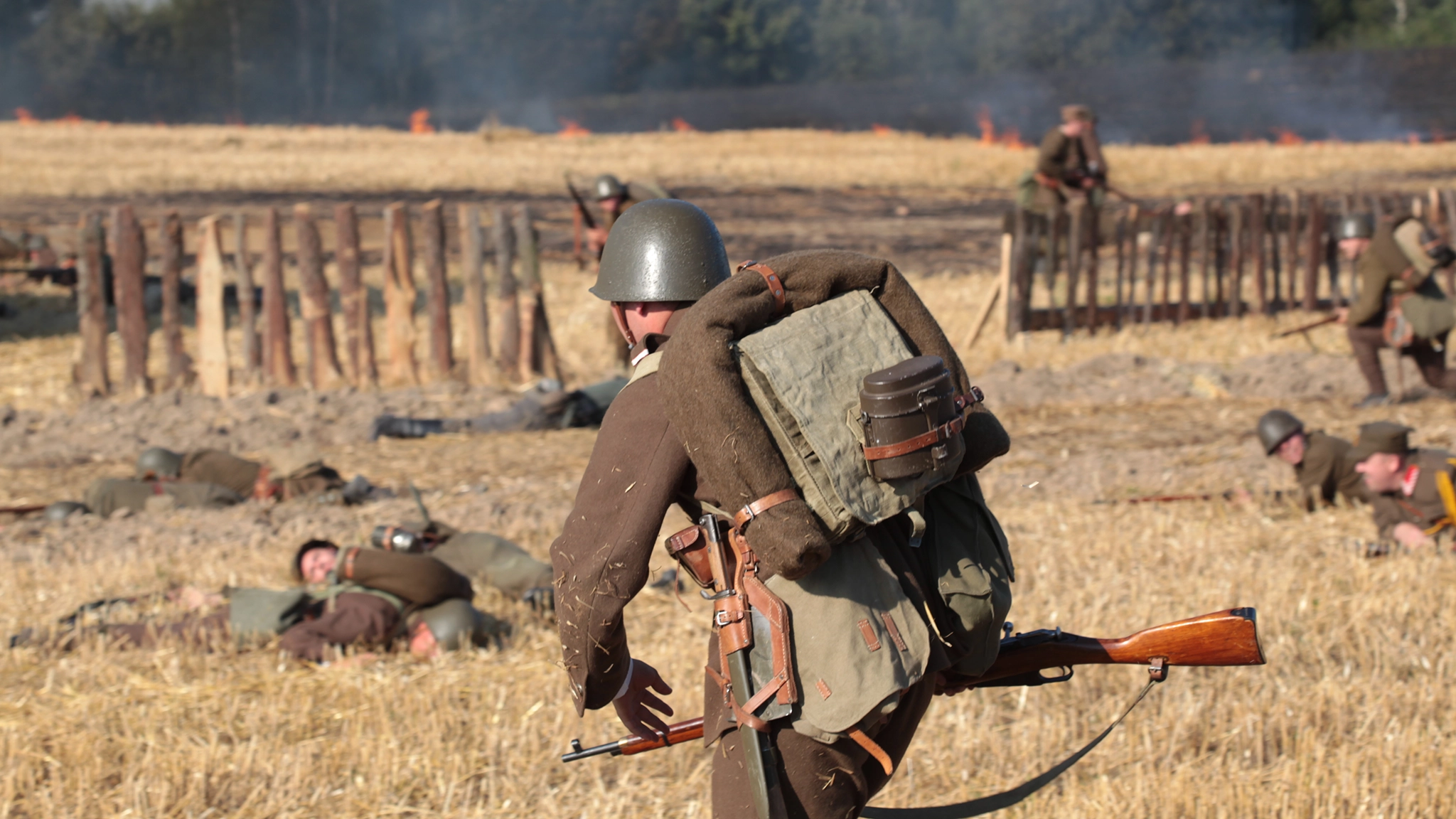
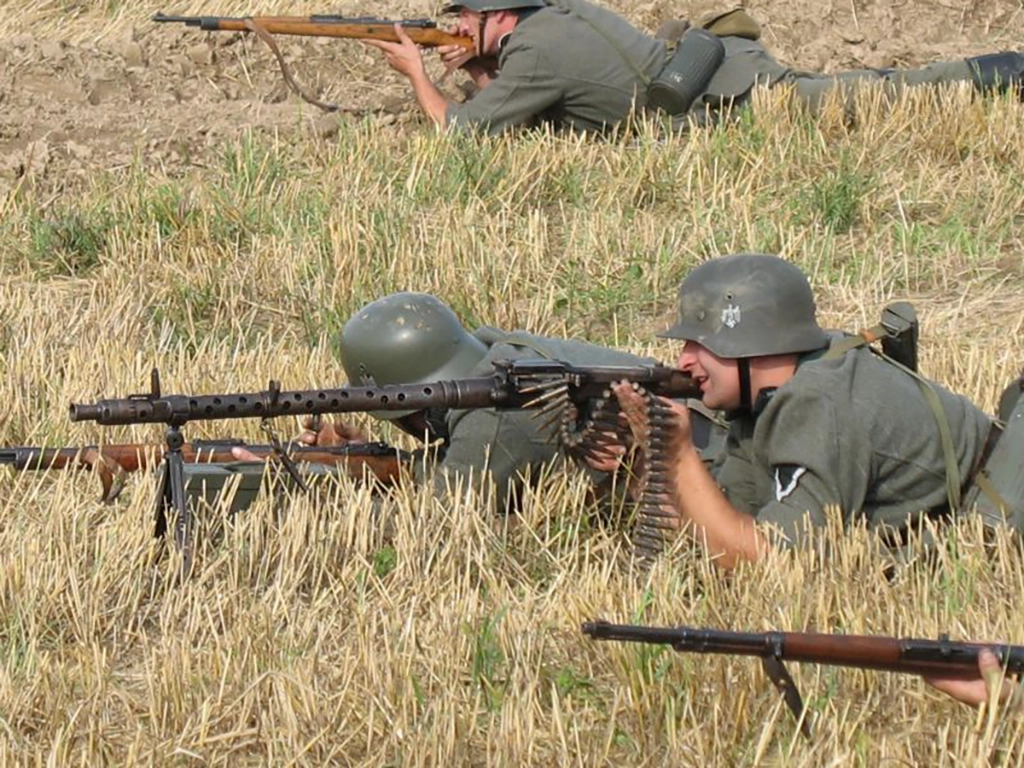
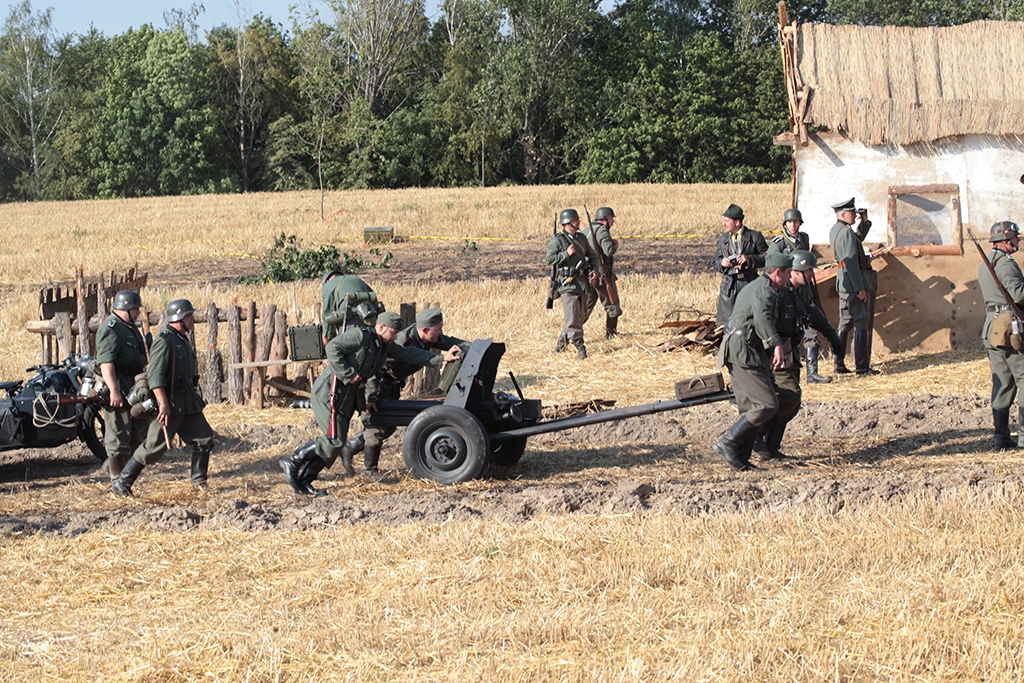
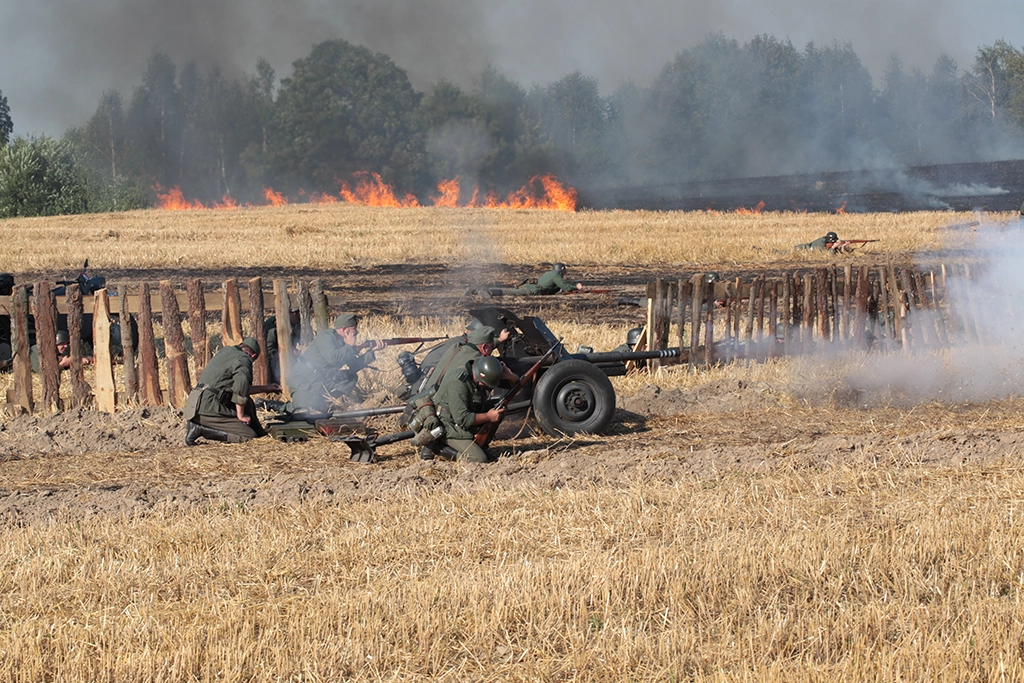
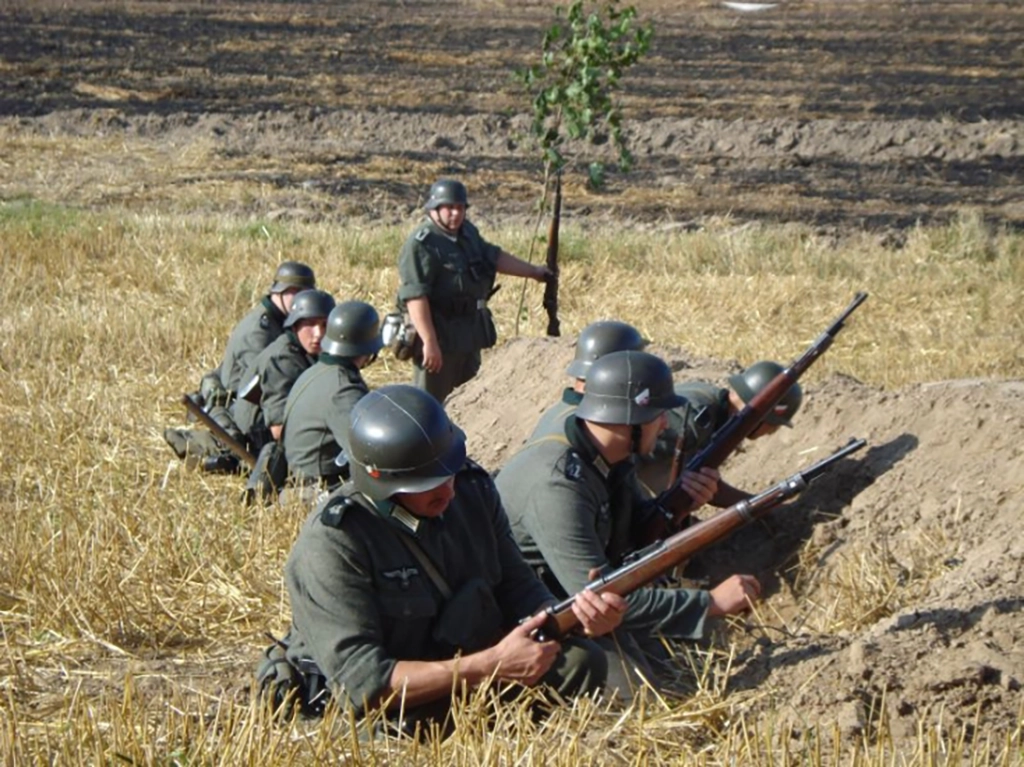
The Battle of Iłża took place during the defensive war on September 8–9, 1939. This battle was fought between the tactical units of the southern grouping of the Polish “Prusy” Army under the command of General Stanisław Skwarczyński and the German 15th Light Corps commanded by Gen. Hermann Hoth. This battle contributed to halting the advance of German armored columns to the north of our country for two days.
For Offensive Tasks
The “Prusy” Army was intended solely for offensive tasks. The unexpected breakthrough of units of the German 10th Army at the junction of the “Kraków” Army and the “Łódź” Army resulted in our command losing the ability to carry out offensive tasks and conduct ongoing combat against German units. This situation forced our command to adapt its military tasks.
The Clash Begins
The aforementioned military clash began, under the command of Colonel Kazimierz Glabisz, against the forces of the German 10th Army, which was blocking Polish units from retreating across the Vistula River. On September 8, at the edge of the forest toward Iłża, an armored battalion from the Kraków Cavalry Brigade was deployed. Around noon, the first fights with the Germans broke out. East of Iłża, Polish units attacked German motorized detachments, which were halted by sub-units of the 7th Legion Infantry Regiment. The Germans renewed the attack, but it was also stopped by the Poles. Another German attack taking place in the village of Kotlarka was likewise stopped by the Poles, specifically by units of the 12th Infantry Division. The Germans had to retreat south of the road leading from Iłża to Lipsko.
At the Same Time
Around 3:00 PM that same day, the attack by German tanks near Trębowiec was repelled, and at 6:00 PM, the Poles repelled an artillery and mortar attack. In this situation, the Polish 12th Infantry Division attempted to break out of the German encirclement. After dark, the Polish command decided to break through toward the Vistula River, even through German positions set up everywhere. The 3rd Infantry Division was assigned a route leading through Iłża – Antoniów – Czerwona, while the 12th Infantry Division headed toward Ciecierówka. At dawn on September 9, the Germans found themselves in the forest near Czerwona. Consequently, the 12th Infantry Division had difficulty exiting the Starachowice forests because the Germans had brought up significant reinforcements during the night.
Dąbrowa Captured
In the regular battles that began, Dąbrowa was captured, but the advance stalled on the outskirts of Rzechów. Polish generals Skwarczyński and Paszkiewicz with their staffs concentrated in the village of Piotrowe Pole and decided that in this situation the troops should be dispersed so they could make their way toward the Vistula River in very small groups. Unfortunately, within a short time, General Skwarczyński’s Operational Group ceased to exist. The final stage of the battle took place on September 10, 1939. As we know, this was an attempt by the 36th Infantry Division to break through to the east, which began during the march to Iłża. Unfortunately, this attempt also ended in failure. Most of the “Prusy” Army was dispersed and destroyed as an independent operational unit of the Polish Army.
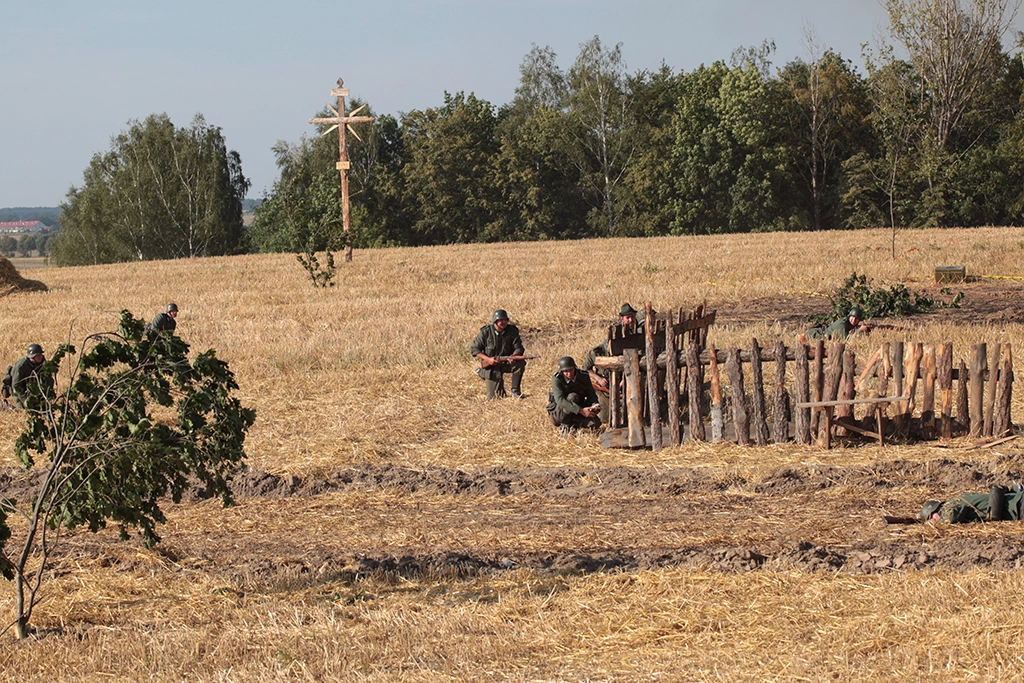
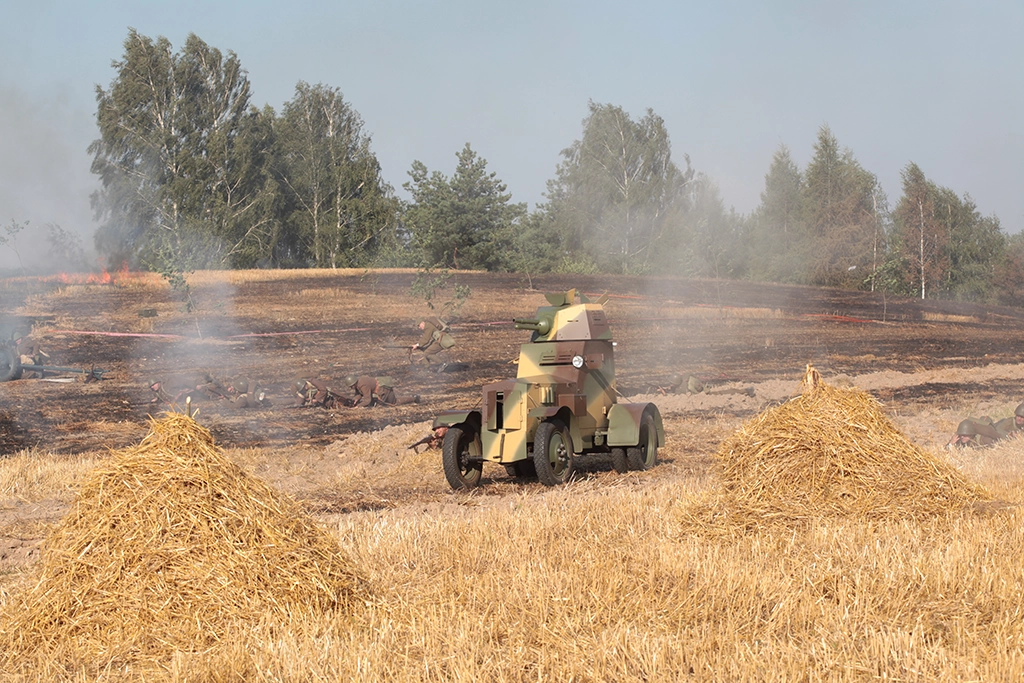
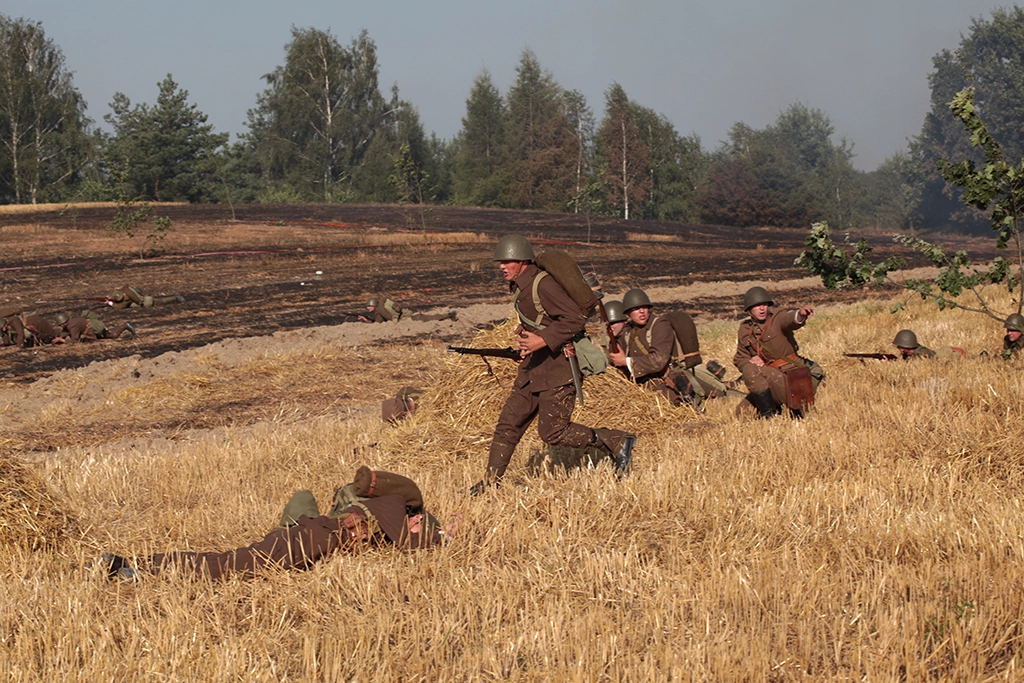
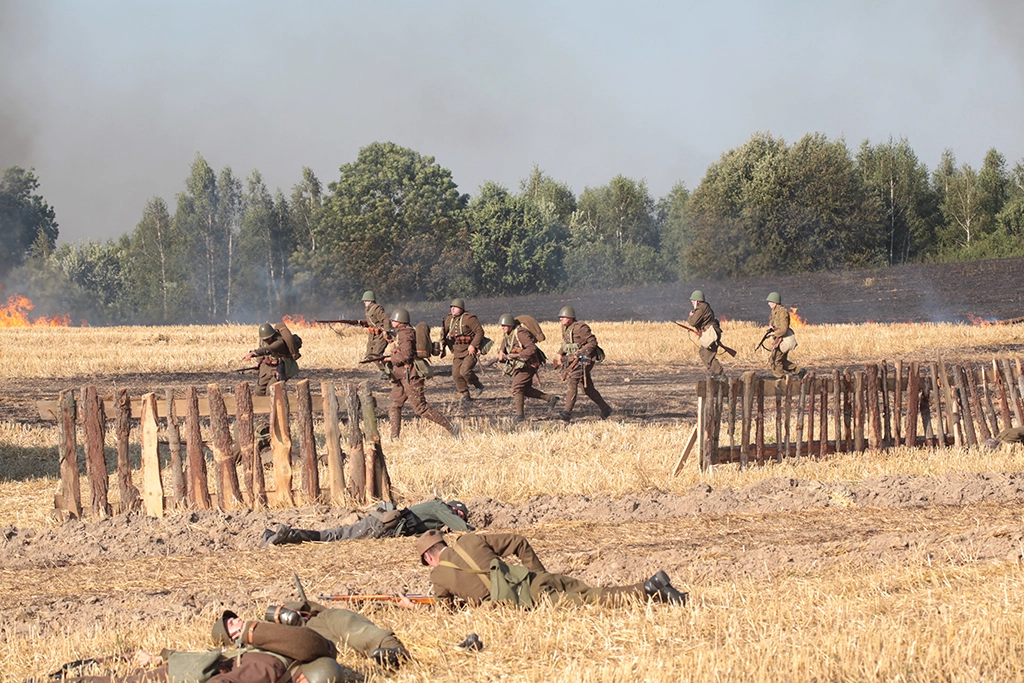
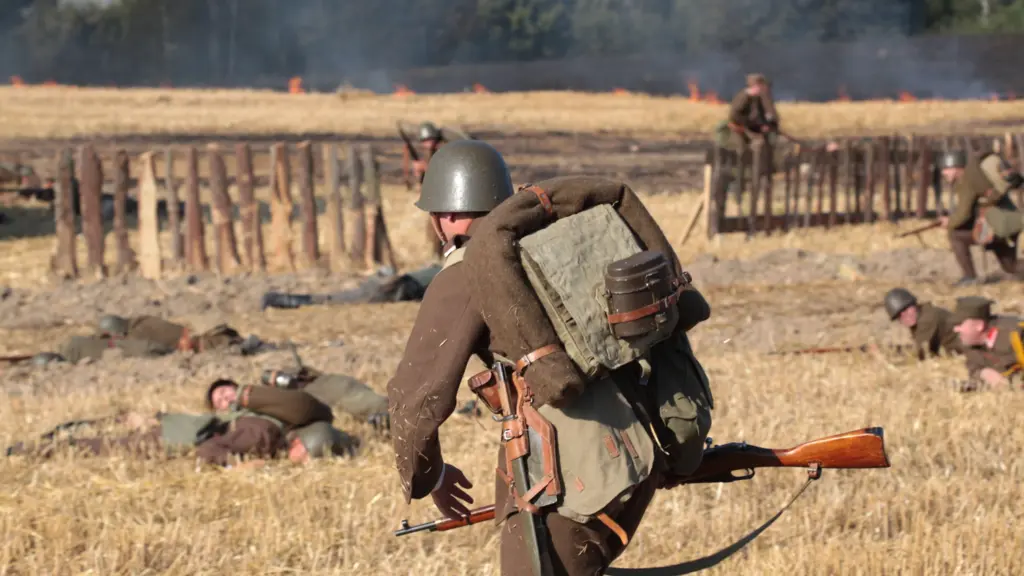
We thank the 51st Borderland Riflemen Infantry Regiment Historical Reconstruction Association for reconstructing this important battle of the 1939 defensive war.