Arche Group – Władysław Grochowski
Revitalization at Arche is a far-reaching concept that, beyond restoring historical monuments, carries over into every aspect of hotel operations. Already at the interior finishing stage, excluded individuals are activated—whether prisoners employed by the company in Arche’s in-prison manufacturing facilities, or people with disabilities from the Lena Grochowska Foundation. Hence, even new hotels that might otherwise seem “soulless” possess their own social and design depth, making them authentic and rooted in the environment where they are created. A prime example is the newly opened Hotel Arche Ożarów Mazowiecki, which boasts excellent transport connections to the center of Warsaw.
Ożarów hotel with a unique theme
— We are just launching sales there for non-residential units under the proprietary Arche System at prices starting from PLN 12,900 net per square meter. We are seeing high interest in the offer, even though it has just hit the market. Investing based on the ownership of a non-residential unit and profiting from the operations of the entire hotel will provide passive income for more investors, this time in the vicinity of Warsaw. Even though the hotel has just launched, it has already contracted several events and long-term stays, which confirms our conviction that the Mazovia market is still very receptive and will bring the expected returns to investors — explains Arche Sales Director Magdalena Sidorowicz.
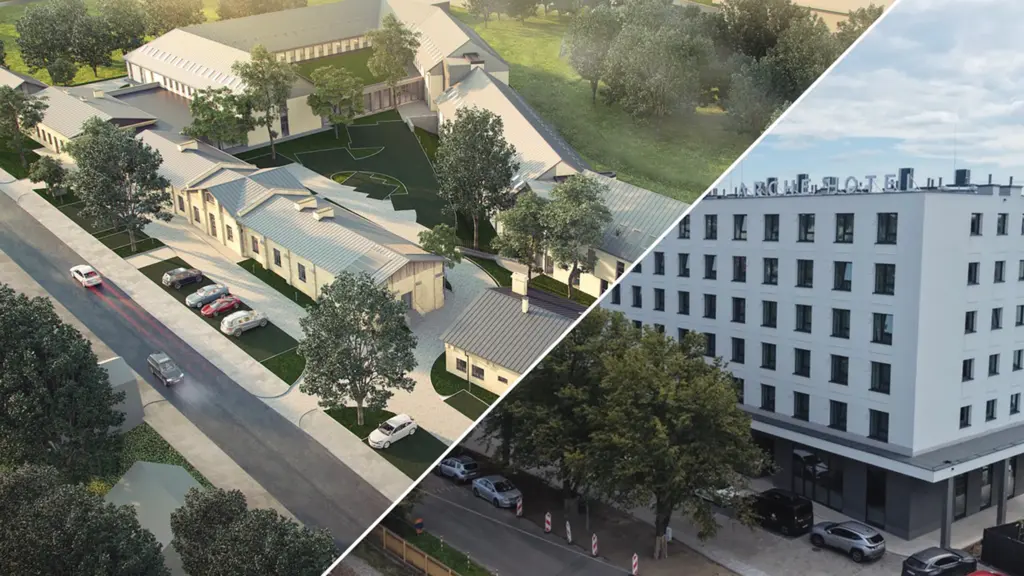
The hotel in Ożarów Mazowiecki is located at 3 Żeromskiego St., near the railway station and large residential estates, offering 210 rooms (including two-bedroom units with kitchenettes) with a total of 575 beds.
— The newly opened hotel is located right by the railway station, which became the guiding theme for the entire property. One of its unique elements is a mosaic depicting train traffic, adorning the café wall, made in fragments at the Łowicz Penitentiary and then assembled at the final location. The inmates also crafted all the upholstered furniture used in the hotel’s rooms and public areas, as well as woven lampshades, mosaic tabletops, and other decorative elements — explains Arche Artistic Director Monika Wojciechowska.
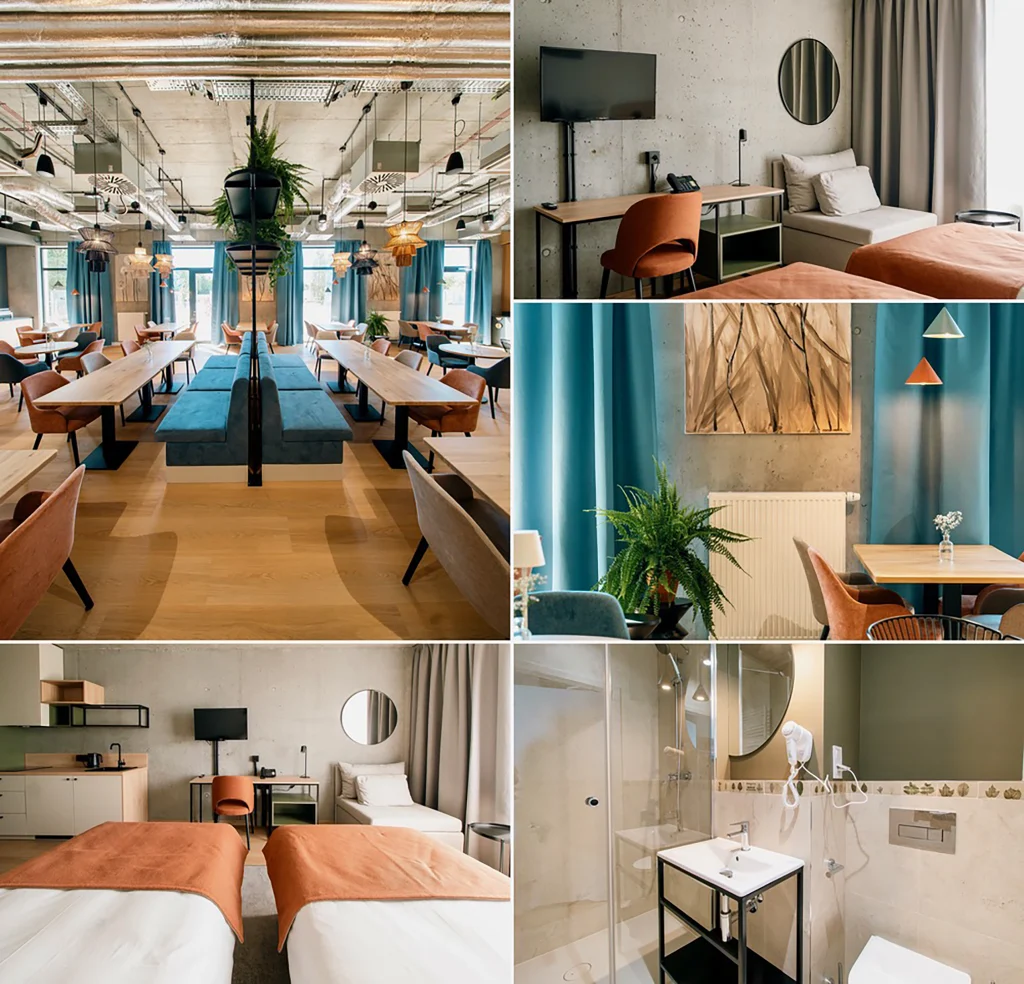
The nearly 100-seat restaurant and café located there will be open to the general public. Meanwhile, the two conference rooms can accommodate up to 200 people in a banquet setup and a total of 250 people in a theater setup. An underground garage and parking will also be available to guests. The property is geared primarily toward business guests and longer stays, but it will also cater to individual tourist traffic.
— The second guiding theme in the facility is wildflowers, in reference to the neighborhood of the “Polnych Kwiatów” (Wildflowers) housing estate. Paintings on this theme have been placed inside the rooms, and all of them were painted by individuals with intellectual disabilities employed by the Lena Grochowska Foundation, from the Occupational Therapy Workshop in nearby Sochaczew, as well as participants in this year’s painting plein-air workshop at the Arche Palace and Folwark Łochów. Three paintings have been hung in each room, adding a vast collection of naive art to the Arche Museum collection. Foundation employees also made plant-themed bathroom tiles to emphasize the character of the property. The corridors also feature artwork consistent with the overall concept, this time painted by inmates from the Łowicz Penitentiary. It is also worth adding that a social plein-air workshop is planned for the end of September this year, during which further murals decorating the hotel walls will be created — adds Monika Wojciechowska.
From Bażantarnia to Arche Garnizon in Białystok
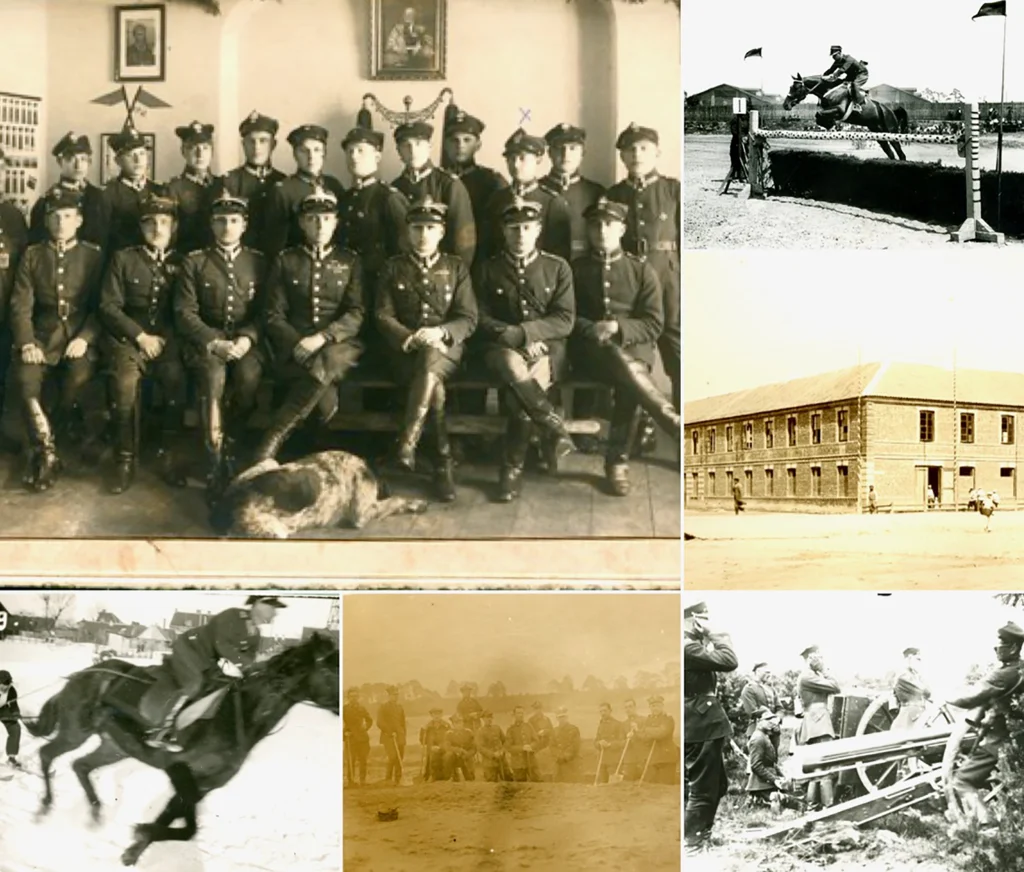
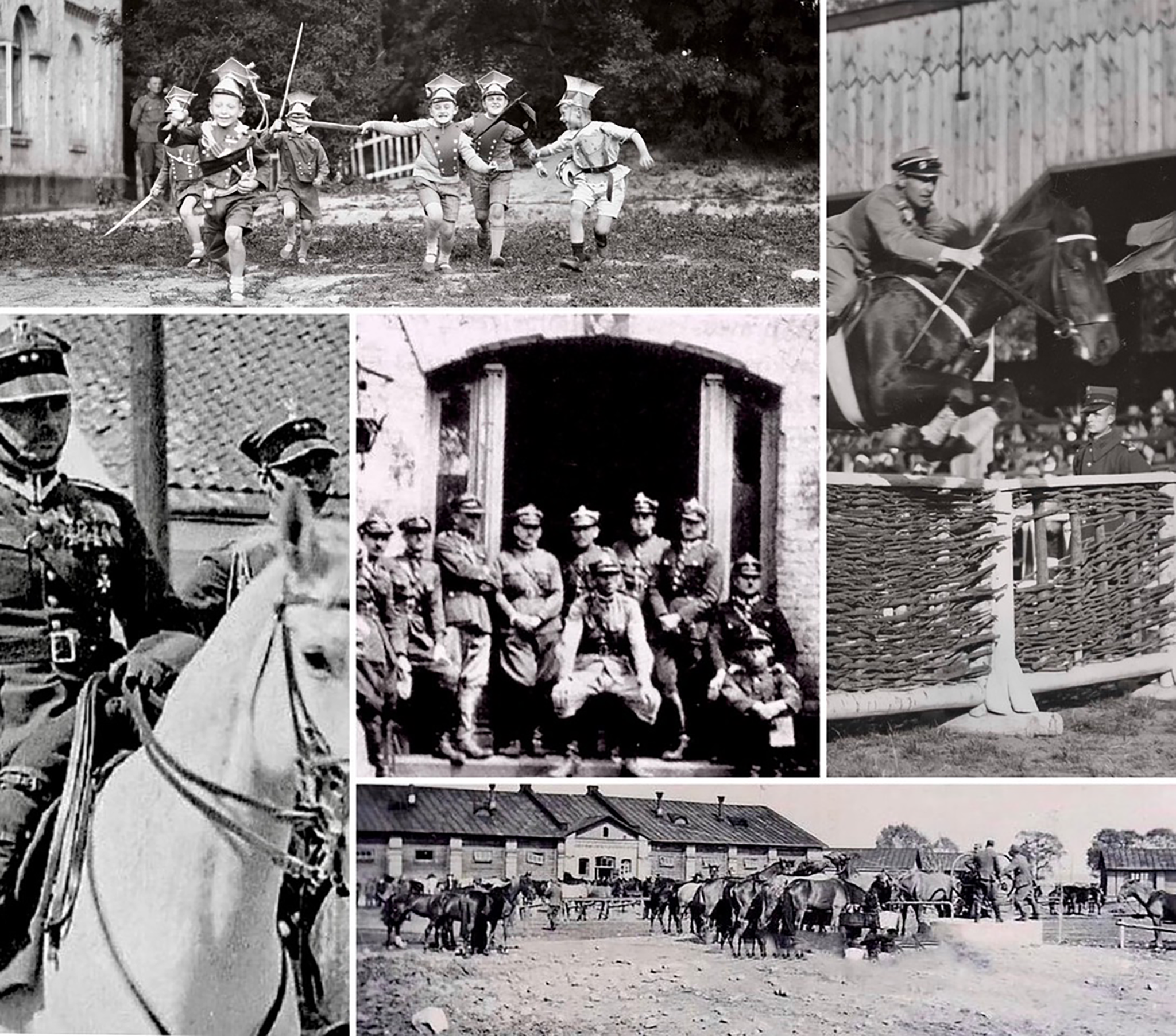
Arche Garnizon Białystok is an example of revitalization that restores value to a place with a rich tradition. The history of this site dates back to the 18th century, when the area of today’s facility was part of the Pheasantry (Bażantarnia) belonging to the Branicki family—one of the elements of the extensive garden layout surrounding the Branicki Palace. It served for recreation and the breeding of pheasants, the number of which reached over a thousand. After the decline of the family’s prominence, the area lost its representative character and turned into a private estate, retaining only its historical name. At the end of the 19th century, the area was taken over by the Russian Empire, which created an extensive barracks complex here. An orderly space was created with a central parade ground as well as staff, residential, and utility buildings. In subsequent years, various military formations were stationed here—from tsarist cavalry and German troops to the Polish Army and post-war units, including the Border Guard. For decades, the place served an important military function. After 1989, the complex gradually lost its significance and fell into disrepair. The turning point was the takeover of part of the area by the Arche Group and giving it a new function.
— The final units are currently on sale under the Arche Investment System at a net price of PLN 13,900 per square meter. We feel local patriotism, as many investors are residents of Białystok and the surrounding area. This destination is also another choice for our regular clients. The impressive event space and a new spot on the map for organizing family or religious celebrations in a city of 310,000 provide promising prospects for investment profitability. It is also a wonderful place and starting point for tourism. We invite everyone thirsty for travel and eager to explore the corners of Podlasie, Supraśl, Tykocin, and perhaps gather baskets full of mushrooms to book stays starting from September 17, 2026 — says Arche Sales Director Magdalena Sidorowicz.
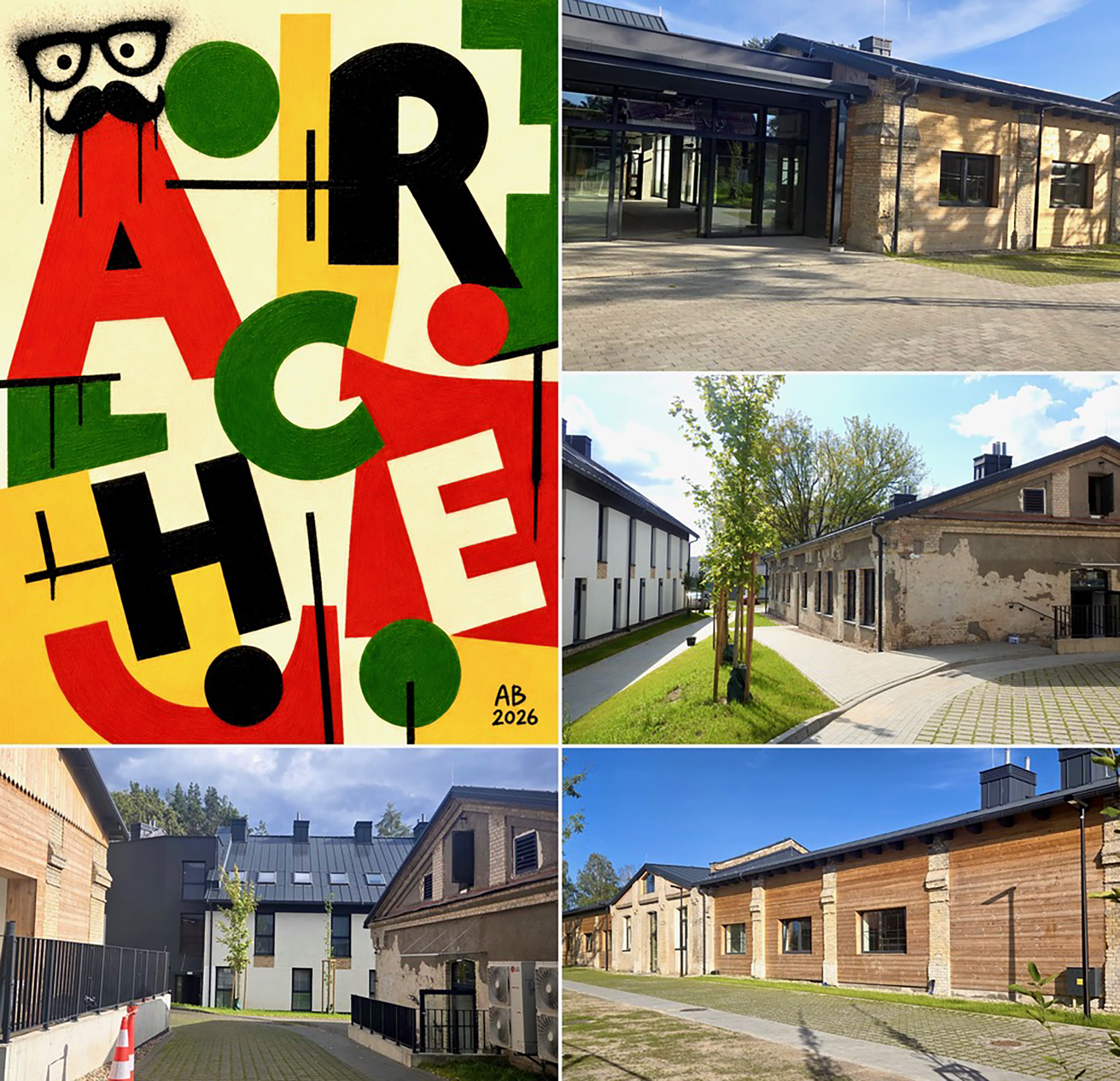
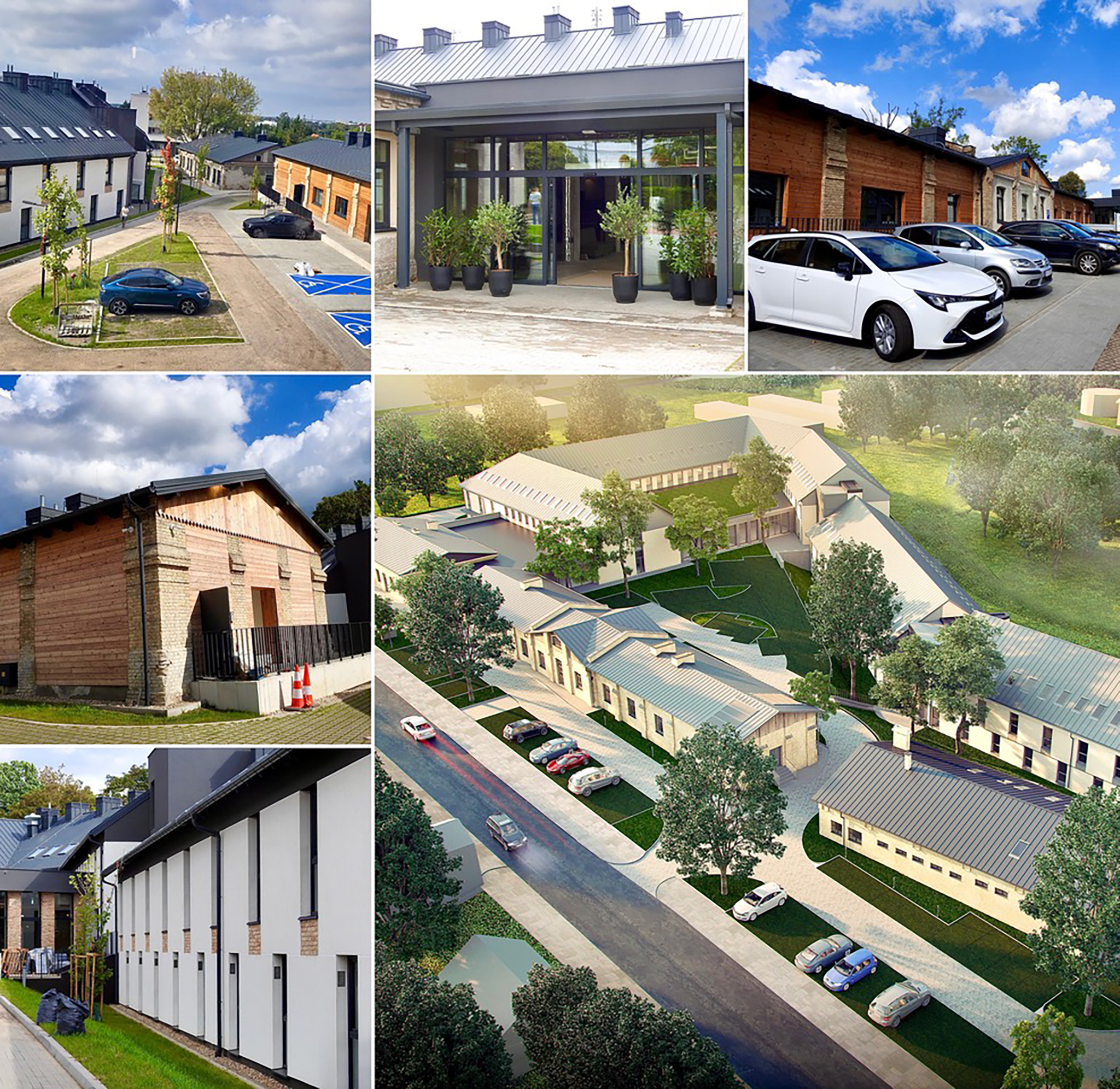
Arche Garnizon Białystok is a harmonious combination of history and modernity, where four historical and three new buildings form a cohesive hotel complex. The original layout and brick architecture have been preserved, transforming the former barracks into a hotel, restaurant, and conference spaces. Located at 9A Depowa St., the property features 200 rooms and over 400 beds, including 13 suites. The hotel, maintained in the style and color palette of the former garrison, features a spa, massage rooms, a sauna, and a gym.
— The historical walls are complemented by interior design elements crafted by excluded individuals. Stylized bedspreads and pillows sewn by employees of the Lena Grochowska Foundation, along with paintings created on the lids of military crates, complete the arrangement of the rooms, which are furnished with pieces made by inmates employed by Arche SA. Here, at every turn, you can encounter handicraft intertwining with history—from lampshades and display cases made from windows crafted by inmates to washbasins made by people with disabilities. Beyond the obvious references to the military history of the facility—where both names and decorative elements directly relate to militaria—elements of Białystok and Podlasie culture were also successfully incorporated. A contemporary mural inspired by double-warp fabric was placed near the reception area, natural macramés were hung in the suites, and educational dolls in folk costumes were placed in the children’s area. Some of the rooms also feature paintings created by employees of the Lena Grochowska Foundation — says Arche Artistic Director Monika Wojciechowska.
Additionally, the hotel’s conference center features a main hall of over 600 sqm (with the option of dividing it into smaller spaces with a ceiling height of over 3.5 m). Each is equipped with a projector and a comfortable foyer for handling conferences. In total, the property offers 8 conference rooms, including historical interiors in the preserved section with access to daylight. About 100 parking spaces have also been provided, including electric vehicle chargers.
— An asset of the property is also the beautiful courtyard, which provides a stunning backdrop for an outdoor wedding arranged in a military style, where old military crates serve as seating for the bride and groom as well as the witnesses. The Garnizon houses a branch of the Lena Grochowska Foundation, which runs a ceramic studio offering workshops for companies and individual guests, as well as a café open to everyone. The site is also home to the second Lena Grochowska SPA—a place created with beauty in mind, understood as bodily balance, peace of the senses, and a moment of true pause. Inspired by Lena Grochowska’s art, nature, and a mindful approach to wellbeing, it invites guests into a world of rituals that envelop, regenerate, and restore inner harmony — adds Wojciechowska.
It is also worth noting that the local restaurant can seat around 100 people and will serve signature regional Podlasie dishes. Meanwhile, BazArche, offering ceramics, textiles, and souvenirs, has been set up near the reception. It also houses a branch of the Lena Grochowska Foundation featuring a ceramic and confectionery studio, running workshops for both Białystok residents and tourists.
Good forecasts for tourism and impact investing
— The tourism sector already accounts for about 4.5 to 5 percent of Poland’s GDP, and its growth potential is enormous, with the capacity to double its share within a decade. For years, the Arche Group has cared for historical monuments primarily out of a passion for saving our heritage, transforming forgotten properties into vibrant hotels, which forms our revitalization-based business model. Currently, we have 24 extraordinary projects under implementation and preparation, such as the Royal Paper Mill in Konstancin-Jeziorna or the Szombierki Heat and Power Plant in Bytom. In the coming years, we want to have a total of 50 hotel properties across the country. The development strategy of the Arche Group and the Lena Grochowska Foundation is so-called impact investing—investments aimed at combining business profits with generating a measurable, positive social impact while achieving a favorable financial result, creating jobs and tax revenues, and integrating excluded individuals. Unlike traditional philanthropy, which involves giving money away irrevocably, here capital is meant to work and return to the investor multiplied by a profit, while simultaneously creating resources for the implementation of subsequent projects. Impact investing is a dynamically growing global trend involving the increasingly widespread allocation of capital into enterprises and projects in order to achieve a positive social or environmental impact, rather than solely financial gain (without analyzing its consequences). In the coming years, we intend to allocate over 5 billion zlotys to such investments. Furthermore, the company is preparing for an IPO debut on the Warsaw Stock Exchange — concludes Adam Białas, Director of Communications and Operations (COO) and Spokesperson for the Arche Group.
About Arche
The company carried out its first investments in Warsaw and Siedlce, and for two decades has been building across Poland. Today, Arche is Poland’s largest domestically-capitalized hotel network, bringing together over 2,000 investors who own a combined total of more than 3,500 hotel rooms and suites, alongside being a residential developer. The company began operations in 1991 and throughout its history has built over 12,000 apartments and houses, recently launching the 25th and 26th properties in its collection—Arche Garnizon Białystok and Arche Ożarów Mazowiecki—bringing its total to over 5,200 rooms. For years, the Arche Group has cared for historical monuments primarily out of a passion for saving our heritage, transforming forgotten properties into vibrant hotels, which constitutes their revitalization-based business model. Arche CEO Władysław Grochowski emphasizes that historical monuments are an important element of identity that unites Poles and should not disappear. For nearly a quarter of a century, the company has given Poles the opportunity to earn in the commercial real estate sector through the proprietary Arche System, which goes far beyond the definitions of aparthotels and condohotels. Arche SA CEO Władysław Grochowski, together with his wife under the Lena Grochowska Foundation, has also been running extensive activities for many years to integrate communities, activate socially excluded individuals, those with intellectual disabilities, and those in greatest need. For this, at the end of 2023 at a gala in Geneva, he received one of the world’s most important accolades—the prestigious Nansen Refugee Award, granted by the UN High Commissioner for Refugees. At the end of 2024, he received the Mother Teresa of Calcutta Award from India. The company’s strategy, known as “impact investing,” has successfully combined the achievement of financial goals with the generation of measurable social and environmental benefits for years.