Francesco Ricupero – Vatican City
Archbishop Kankanamalage added that AI “is already changing the way we work, communicate, learn, make decisions, and understand ourselves.”
The meeting is taking place as part of the World Encounter Summit under the theme “Artificial Intelligence and the Human Sense of Meaning.” The event will conclude with the presentation of the “Bali Declaration”—a joint commitment to promoting ethical artificial intelligence centered on the human person and directed toward the common good.
Remembering Pope Francis’ Journey
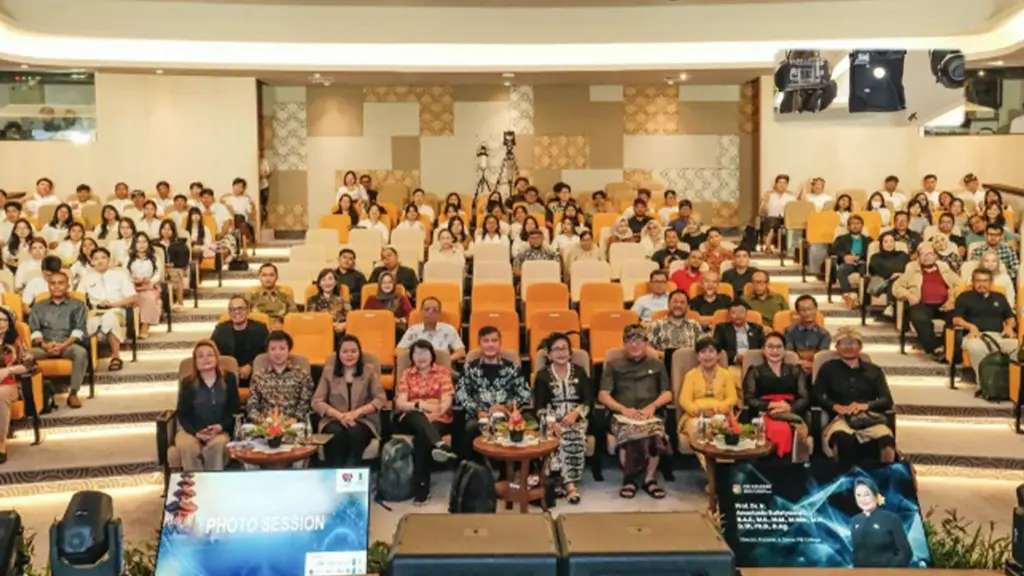
Young people, university representatives, governments, businesses, religious leaders, and civil society organizations from around the world have gathered on the Indonesian island to reflect on one of the great challenges of our time: how to ensure that artificial intelligence serves human dignity, fraternity, and peace.
Held under the theme “Artificial Intelligence and the Human Sense of Meaning,” the meeting is an opportunity for dialogue, the exchange of experiences, and the joint search for solutions. The program includes conferences, workshops, and working groups aimed at creating concrete projects of global significance.
This year’s edition also marks the second anniversary of Pope Francis’ apostolic journey to Indonesia in September 2024 and the signing, alongside Grand Imam Nasaruddin Umar, of the Istiqlal Declaration. This document reaffirmed the commitment to interreligious dialogue, the care of our common home, and the building of peace.
In the Service of Peace, Dialogue, and Care for Our Common Home
In this context, Archbishop Indunil Janakaratne Kodithuwakku Kankanamalage referred to two words that Pope Francis emphasized during the interreligious meeting at the Istiqlal Mosque in Jakarta on September 5, 2024: “encounter” and “light.”
“These two words can also provide a significant framework for reflecting on artificial intelligence and human meaning,” the prelate explained. In his address, he also explored this topic further in light of the encyclical *Magnifica humanitas* by Leo XIV.
“The Pope reminds us that technology has the power to heal, connect, educate, and protect our common home, but—the Secretary of the Dicastery for Interreligious Dialogue emphasized—it can also divide, exclude, and lead to the emergence of new forms of injustice.”
Technology—the speaker continued—”is not automatically a solution to humanity’s problems, nor is it inherently evil. What matters is the human vision that guides it and the goals it serves.”
“Pope Leo’s concern is fundamentally anthropological: what impact will new technologies have on human dignity and the common good?” he asked.