
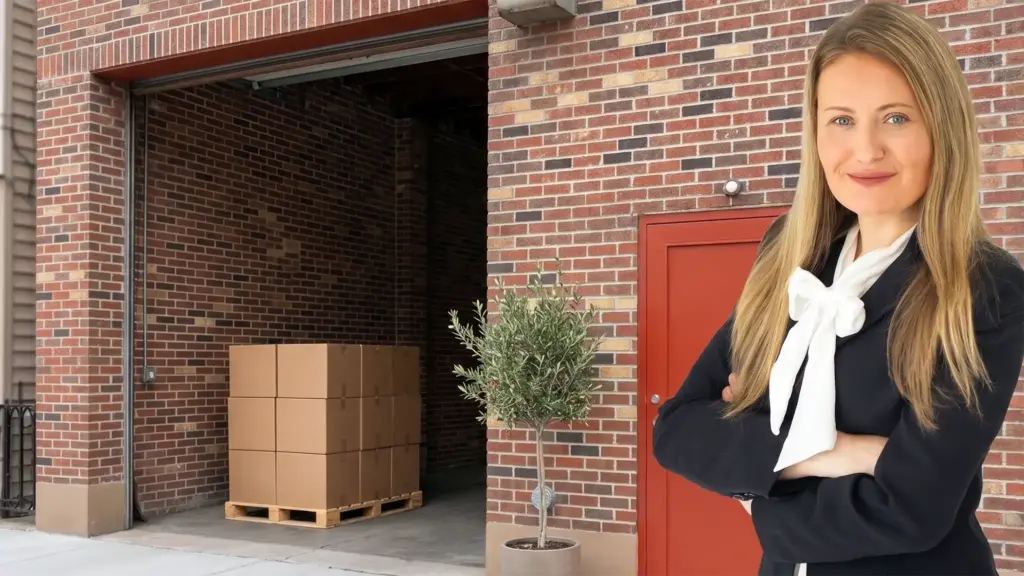
When a client asks me about a warehouse in Queens, the first question isn’t “how much?” but rather “is there even anything to look at?”. Over the past few years, industrial properties in densely built NYC neighborhoods have become a rarity. The land underneath them is too valuable for anyone to build new halls, and old ones are disappearing, being converted into apartments or demolished for developments.
The result is that every decent warehouse building is competed for by three different groups of buyers: an entrepreneur who wants their own headquarters instead of paying rent, an investor looking for rental income, and a developer eyeing the plot for future redevelopment. This is a rare situation in the real estate market, where typically each property type has only one natural buyer.
What M1 Zoning Really Means
The letter next to the zone number determines what is allowed to be done in the building — and that is the first thing I check before looking at anything.
M1 is a light manufacturing zone. It permits warehousing, workshop activities, repair services, goods storage, and light manufacturing. Equally importantly, it also allows offices and most types of commercial activity. In practice, this means a single building can serve a construction company, a workshop, a wholesale warehouse, an e-commerce facility, or a headquarters with back-office space — without changing its use.
What M1 does not permit is residential housing. Buyers counting on converting a warehouse into lofts must know that this would require a rezoning — a long, costly process with an uncertain outcome.
What to Look for When Inspecting a Warehouse
After years of viewing such properties with clients, I know that utility value is determined by several things that aren’t visible in photos.
- Interior height. This is the parameter that most often determines whether a building is suitable for a specific activity. With a low ceiling, shelving only goes outward, and the storage space runs out faster than the square footage would suggest.
- Mezzanine addition potential. If the height allows, a usable floor can be added without enlarging the building. This is the cheapest way to increase space that exists.
- Delivery access. Driveways, unloading space, street width. A building without sensible truck access is a warehouse in name only.
- Street visibility. For businesses that have clients, the difference between an address and a sign matters.
- Structure condition and age. A masonry building from the 2000s is an entirely different story than a pre-war hall with wooden ceilings — also when talking to an insurer and a bank.
Concrete Example: Woodside
To avoid speaking in the abstract, let’s look at a property we currently have on the market.
At 4915 69th Street in Woodside stands a brick building from 2013, with an area of approximately 2,500 square feet and an interior height of 23 feet. This height is precisely the case where a mezzanine comes into play and genuinely changes the math per square foot. In addition, it features solid steel entry doors, good street visibility, convenient delivery access, and a location right off Queens Boulevard.
Asking price: $1,699,000
I mention this example not to sell it here, but because it clearly shows what buyers are looking for today: a relatively new building, with high ceilings, in a zone allowing multiple types of activities, right by a busy thoroughfare.
What’s Not in the Listing, But Must Be Checked
Before anyone submits an offer, my clients and I go through things that no listing contains.
The Certificate of Occupancy and its compliance with the planned activity. History of building violations. Property taxes and their projected change after the transaction. Insurance — with industrial properties, this can be a surprise. Financing conditions, because a commercial real estate loan follows different rules than a residential mortgage. Finally, the condition of the electrical system, if anything heavier than storage is planned.
These are not mere formalities. These are things that become the buyer’s problem after signing the contract.
Why It Pays to Talk to Someone Who Knows the Neighborhood
The industrial real estate market in Queens is tight and opaque. Many properties change owners before they ever hit the open market. For a buyer, this means one thing: it all comes down to whether someone finds out about the property in time.
Our office has been operating in this market since 1998, with locations in Maspeth and Brooklyn, serving clients in both Polish and English. When dealing with commercial real estate, this isn’t just a matter of convenience — with documents where a single sentence can change the meaning of the entire transaction, talking in your native language is simply safer.
Barbara Kot, Licensed Real Estate Broker · Director of Growth and Development, Exit All Seasons Realty, cell 917-862-3725 · office 718-416-4411, 718-345-4545 6546 Grand Ave, Maspeth, NY 11378 · 8911 Glenwood Rd, Brooklyn, NY 11236