
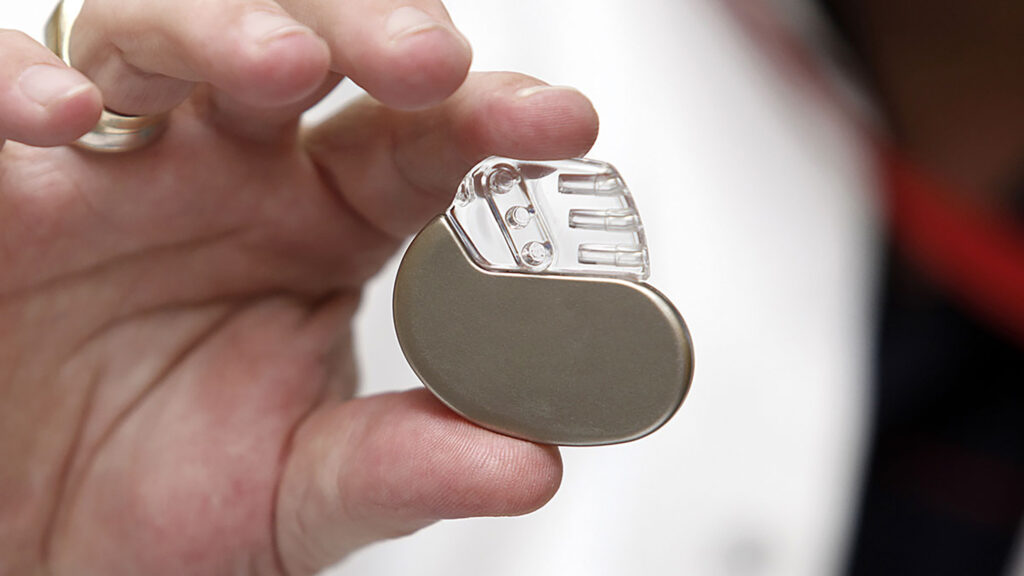
What is a Pacemaker?
Pacemakers are implantable cardiac devices that play a crucial role in cardiac rhythm management (CRM), offering hope to individuals with heart rhythm disorders. This technology has significantly advanced patient care and improved the lives of many. Pacemakers have evolved drastically from their inception to today’s advanced technology.
A Brief History of the Pacemaker
The evolution of pacemakers from an experimental concept to a life-saving device underscores human innovation. Introduced in the 1950s, early pacemakers were bulky and external. Today’s pacemakers are compact, minimally invasive, and integrate with the body’s rhythms, illustrating the continuous and novel advancements in CRM technology.
Understanding the Rhythm: What Pacemakers Do
At its core, a pacemaker is a device implanted under the skin, usually near the collarbone. Its mission is to send electrical impulses to the heart, ensuring a regular rhythm is maintained. For individuals with conditions like arrhythmias, where the heart beats too slowly, pacemakers can be life-changing, ensuring their heart continues to beat at a normal pace. In cases such as these, they act as a safeguard for their underlying rhythm.
Key Benefits: Beyond the Beat
The advantages of pacemaker technology extend far beyond improving quality of life and patient care:
- Restored Regularity: Pacemakers correct irregular heart rhythms, allowing patients to enjoy a more active lifestyle without undue fatigue or discomfort.
- Prevention of Cardiac Complications: By maintaining a consistent heart rate, pacemakers play a crucial role in preventing heart failure and other related conditions.
- Safety and Peace of Mind: With a pacemaker, patients gain control over their health, reducing hospital visits and reliance on emergency care.
The Procedure: What to Expect
Pacemaker implantation is a minimally invasive surgical procedure, typically lasting about an hour with local anesthesia and light sedation. The process involves:
- Pocket Creation: A small incision is made near the collarbone to house the pacemaker body, often called the generator or can.
- Lead Placement: Thin wires, or leads, connect the device to the heart, ensuring accurate delivery of electrical impulses.
- Testing and Closure: The device is tested to confirm optimal function, followed by the closure of the incision.
Recovery: After the Procedure
- Initial Recovery: Patients may experience mild discomfort, and it is advised to avoid strenuous activities for a short period. It is generally advised to avoid baths, showers, and swimming for a short period after implantation.
- Wound Check and Device Assessment: Soon after the procedure, the implantation site is checked for proper healing and absence of infection. The pacemaker’s functioning is assessed to ensure it is working correctly as it begins to integrate with the body.
- Follow-up Checks: Regular visits ensure the pacemaker functions correctly and adjusts to the patient’s activity level.
- Long-term Care: With proper care and monitoring, pacemakers can last several years, after which a battery replacement may be necessary. Subsequent battery replacement procedures are typically less invasive than the initial implantation.
Potential Limitations
While pacemakers represent a leap forward in treating heart rhythm disorders, they come with a few limitations:
- Device Interferences: Certain electronic devices and medical procedures can interfere with pacemaker function, requiring caution.
- Lifestyle Adjustments: Patients may need to modify activities or habits to accommodate the device, though most lead normal, unconstrained lives.
- Support Groups: Adjusting to life after a pacemaker is supported by patient groups, online forums, and rehabilitation programs. These communities offer a space to share experiences and receive support, helping individuals navigate the changes and challenges of living with a pacemaker. Engaging with others in similar situations builds a sense of belonging and provides practical advice for adapting to the new normal.
Your Heart, Your Health: The Next Step
If you, or a loved one, could benefit from a pacemaker, consulting with an electrophysiologist is the first step. Dr. Adam Budzikowski and his team are prepared to guide you toward better heart health with personalized care.
Pacemakers are a significant advancement in medical technology, offering individuals a chance at a better, more active life. By embracing this technology, we move toward a future where heart rhythm disorders are a manageable part of our health, not a limitation.