Amadeo Lomaco, Dorota Abdelmoula-Viet – Vatican
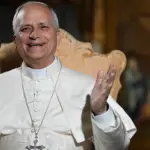
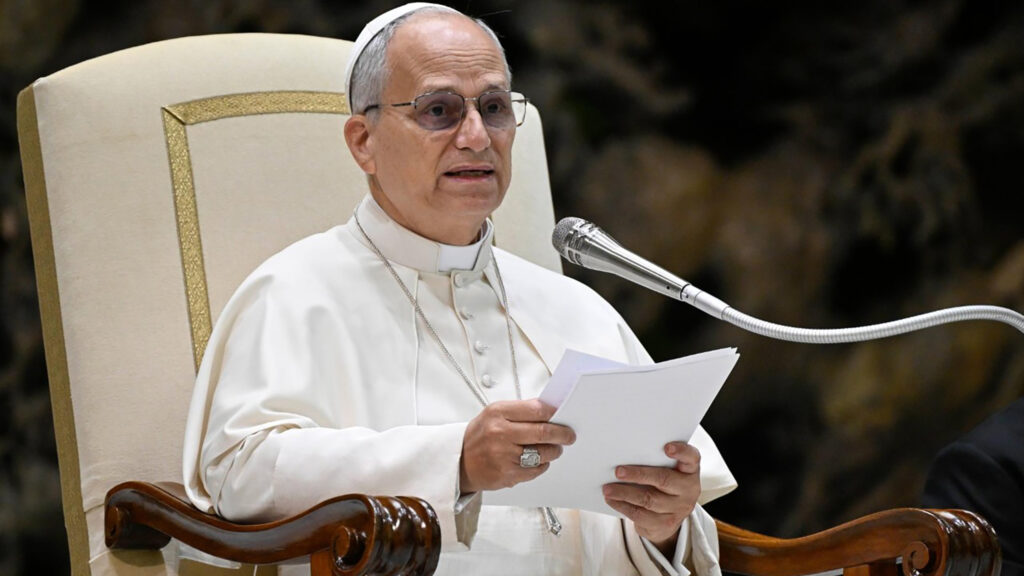
“Today, on Holocaust Remembrance Day, I would like to remind everyone that the Church remains faithful to the firm stance of the #NostraAetate Declaration against all forms of antisemitism and rejects all discrimination and persecution based on ethnic origin, language, nationality, or religion,” the Holy Father wrote on the X platform. The statement by Leo XIV, published on the day when the International Holocaust Remembrance Day is observed, aligns with the narrative that his predecessors also firmly adopted.
The Firm Voice of Pius XII
Already in 1942, Pius XII, in a radio message for Christmas, condemned the fate of “hundreds of thousands of people who, through no fault of their own, but solely because of their national or ethnic origin, are condemned to death or slow demise.”
“In the face of such terrible developments, can nations remain idle? Should they not rather unite in spirit on the ruins of the existing social order, which has shown its tragic helplessness in the face of human needs?” the Pope asked then. “Should not all generous and honest people make a solemn vow that they will not rest until from the family of peoples and nations of the earth emerge legions of fighters, ready to lead humanity back to that unshakeable center of gravity which is the law of God, eager to serve the good of man and his life in society, so honored by God?”
Benedict XVI, in a homily on the 50th anniversary of the death of Pius XII, said that these words “clearly refer to the deportation and extermination of Jews.” “He often acted in secret and in silence, because in the light of the concrete situations of that complex historical moment, he intuitively felt that only in this way could the worst be avoided and the greatest number of Jews saved. For these actions, he received numerous and unanimous expressions of gratitude from the highest authorities of the Jewish world after the war, and also at the time of his death, for example, from the Israeli Foreign Minister Golda Meir, who wrote: ‘When our people suffered the most terrible martyrdom during ten years of Nazi terror, the Pope’s voice was raised in defense of the victims.'”
St. John Paul II and “terrible, painful memories”
The Polish Pope also referred to the tragic events of World War II in his speeches. Among others, during a general audience on June 26, 1996: “The name ‘Berlin’ still evokes terrible and painful memories in the hearts of people of my generation. This city, as the capital of the Third Reich, was the center of sinister political and military initiatives that had a huge impact on the fate of Europe, especially neighboring countries. In 1939, the terrible decision to start World War II was made in Berlin. It was there that inhumane plans for concentration camps were implemented, and in particular the program of the so-called ‘Final Solution,’ agreed upon at the Wannsee Conference, that is, the extermination of Jews living in Germany and other European countries: the famous tragedy of the Holocaust. Unfortunately, immense human suffering is associated with Berlin: the wounds are not yet completely healed.”
St. Paul VI and the Testimony of the Knight of the Immaculata
Pope Paul VI, in turn, sought to point to a ray of Christian hope that shone even in those extremely dark and barbaric circumstances. On October 17, 1971, during the Angelus prayer, he said to the faithful: “You know what we did this morning in St. Peter’s Basilica: we performed the solemn rite of beatification of a friar of the Order of Friars Minor Conventual, Father Maximilian Maria Kolbe… War, as you remember, invaded Poland from the west and from the east… Here appeared the universally known and grimly famous gulags, concentration camps, where countless masses of human beings, especially Jews and Poles, were exhausted and exterminated. (…) Kolbe also ended up in one of these camps, Auschwitz. There, a heroic act of love took place that made his name famous… Father Kolbe gave himself, replacing an unfortunate, unknown, and innocent father of a family, condemned to a terrible death by starvation.”
Francis and the Appeal to Learn from the Holocaust Tragedy
When Pope Francis visited the Roman synagogue on January 17, 2016, he appealed for the contemporary world to learn from the tragedy of the Holocaust for the future. “The Jewish people in their history have had to experience violence and persecution, up to the extermination of European Jews during the Holocaust. Six million people, simply because they belonged to the Jewish people, fell victim to the most inhumane barbarity, carried out in the name of an ideology that wanted to put man in the place of God. On October 16, 1943, over a thousand men, women, and children from the Jewish community of Rome were deported to Auschwitz. Today I want to remember them from the bottom of my heart, in a special way. And the past must serve us as a lesson for the present and the future. The Holocaust teaches us that the highest vigilance is always needed to be able to intervene in time to defend human dignity and peace,” the Pope said.