Fr. Marek Weresa – Vatican
Simply to be
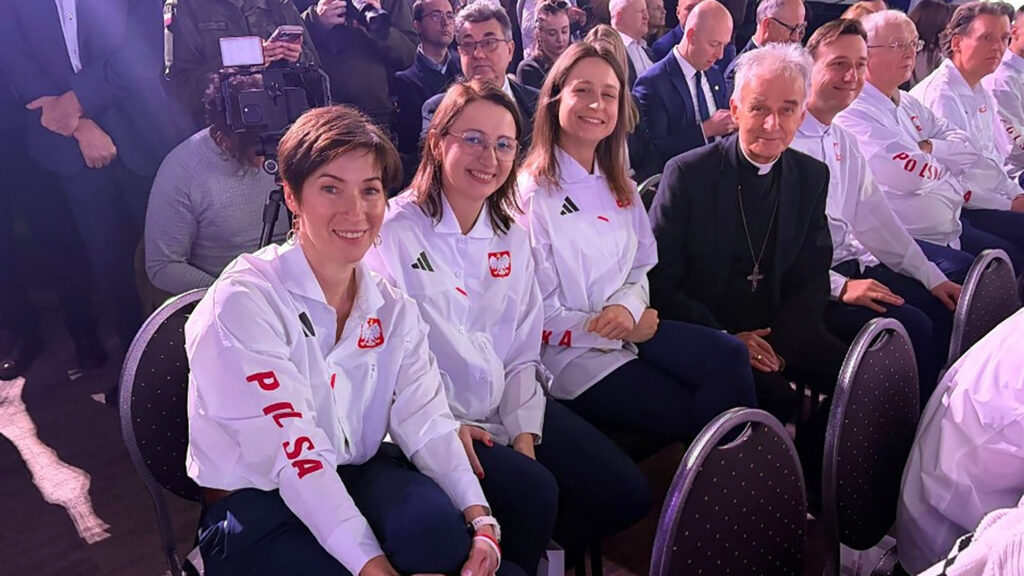
Speaking about the nature of this role, Bishop Marian Florczyk emphasizes that the most important thing is to accompany athletes. “We simply need to be with these people; to listen to them, to pray with those who are believers and desire it,” the bishop pointed out. Pastoral daily life involves conversations and common Holy Masses in places designated by the organizers.The role of a chaplain present with the national team at the Olympic Games began in 2003. At that time, Bishop Florczyk – as the newly elected delegate of the Polish Episcopal Conference for the pastoral care of athletes – proposed to the then president of the Polish Olympic Committee, Stanisław Stefan Paszczyk, the idea that a chaplain should accompany athletes during sports competitions. Moreover – as the bishop recalls – this was not a new thing, as Olympic delegations from various countries had previously come with their own chaplains.“It is known that life at the Olympic Games has different colors. There is joy, sadness, pain; but also the need for community in moments of victory as well as defeat,” emphasized Bishop Florczyk.
Faith, like sport, is based on human nature
“The bond between sport and faith is very strong,” Bishop Florczyk pointed out. Sport develops a person, and Christianity, after all, focuses on the human being and their growth, also in values – which sport carries – such as: goodness, truth, beauty. “We speak of noble competition that respects another person,” the hierarch noted – “But to win, one must invest in oneself, values, sacrifices; and all this is hidden in the sphere of the spirit.”