Svitlana Dukhovych / s. Amata J. Nowaszewska CSFN
Frost and Bombardments
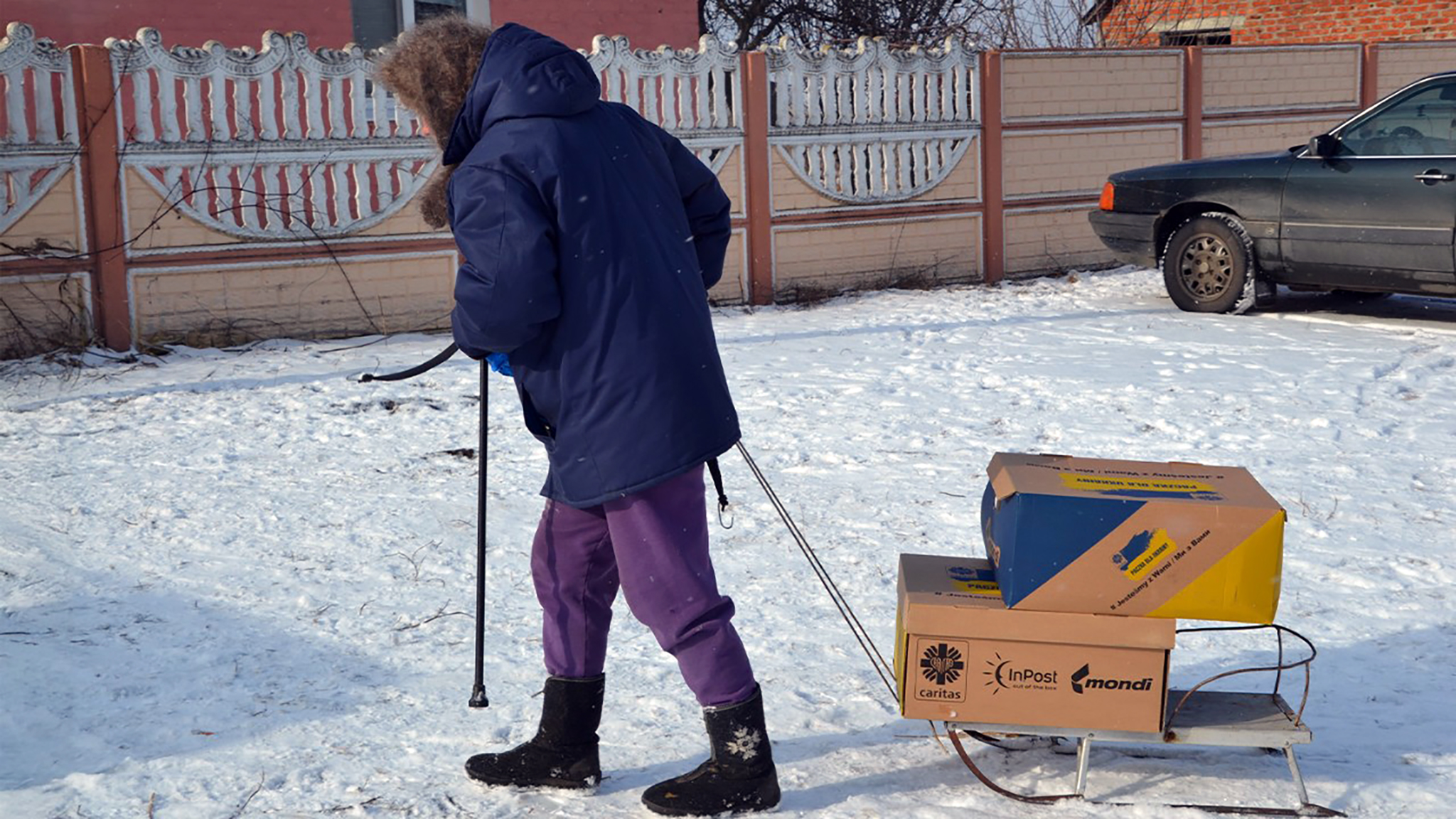
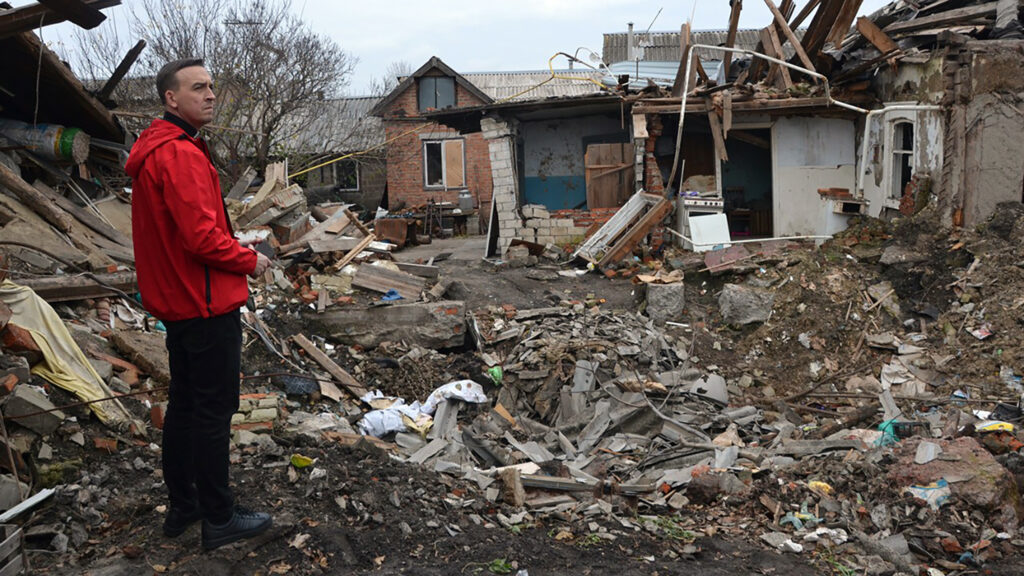
On the night of February 2-3, the temperature in Kharkiv dropped to minus 25 degrees Celsius, and the city came under intense shelling. The attacks led to serious damage to energy infrastructure – according to city hall data, over 800 buildings remain without electricity.
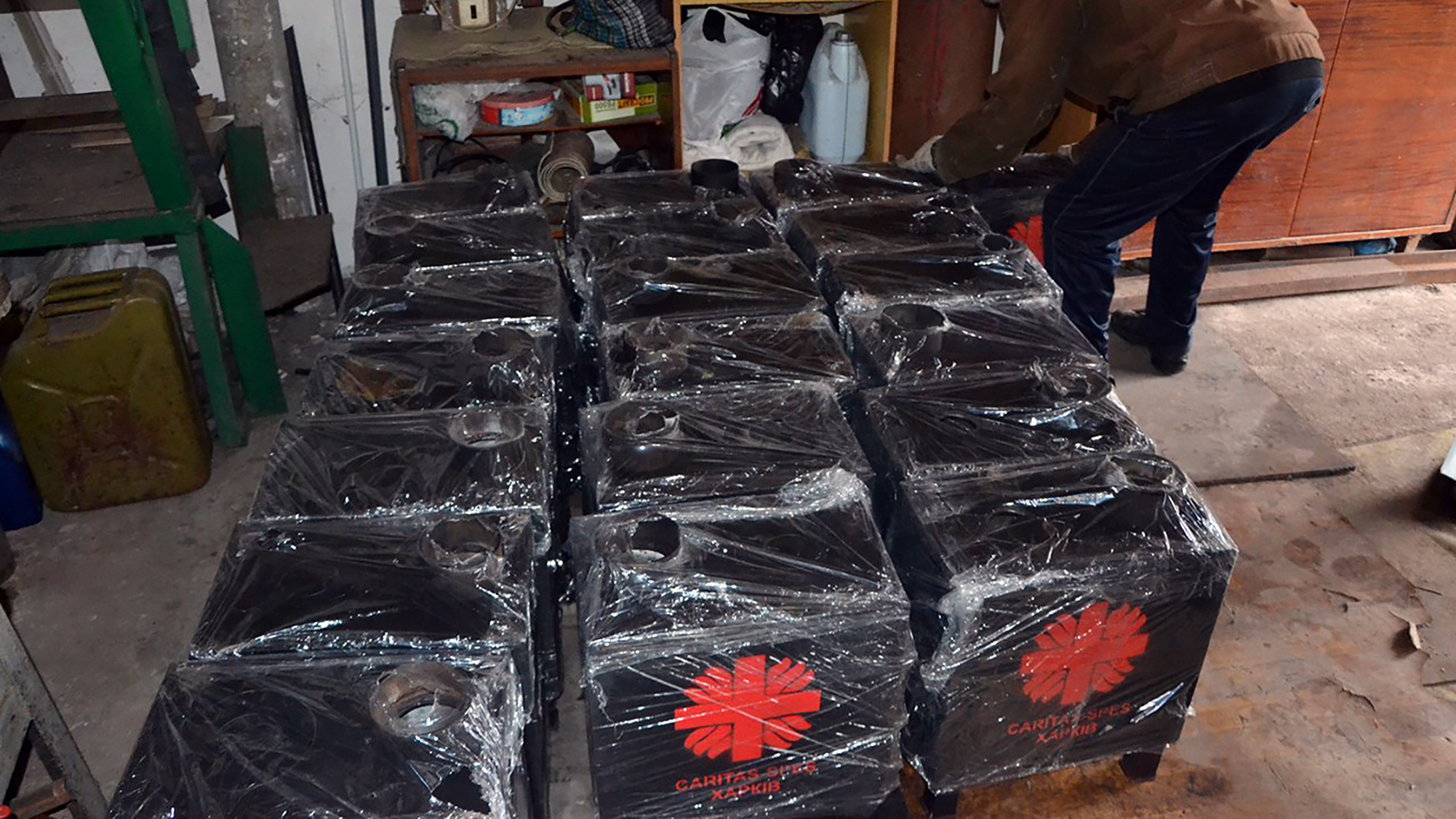
As reported by Fr. Wojciech Stasiewicz, 70 to 80 percent of residents experience daily power outages – from several hours to almost an entire day, depending on the district. “Without electricity, there is no heating, and in apartment blocks, there is no alternative,” emphasizes the priest. A similar situation also occurs in other regions of Ukraine, including the Sumy, Dnipropetrovsk, and Zaporizhzhia oblasts.
Church and Caritas Aid
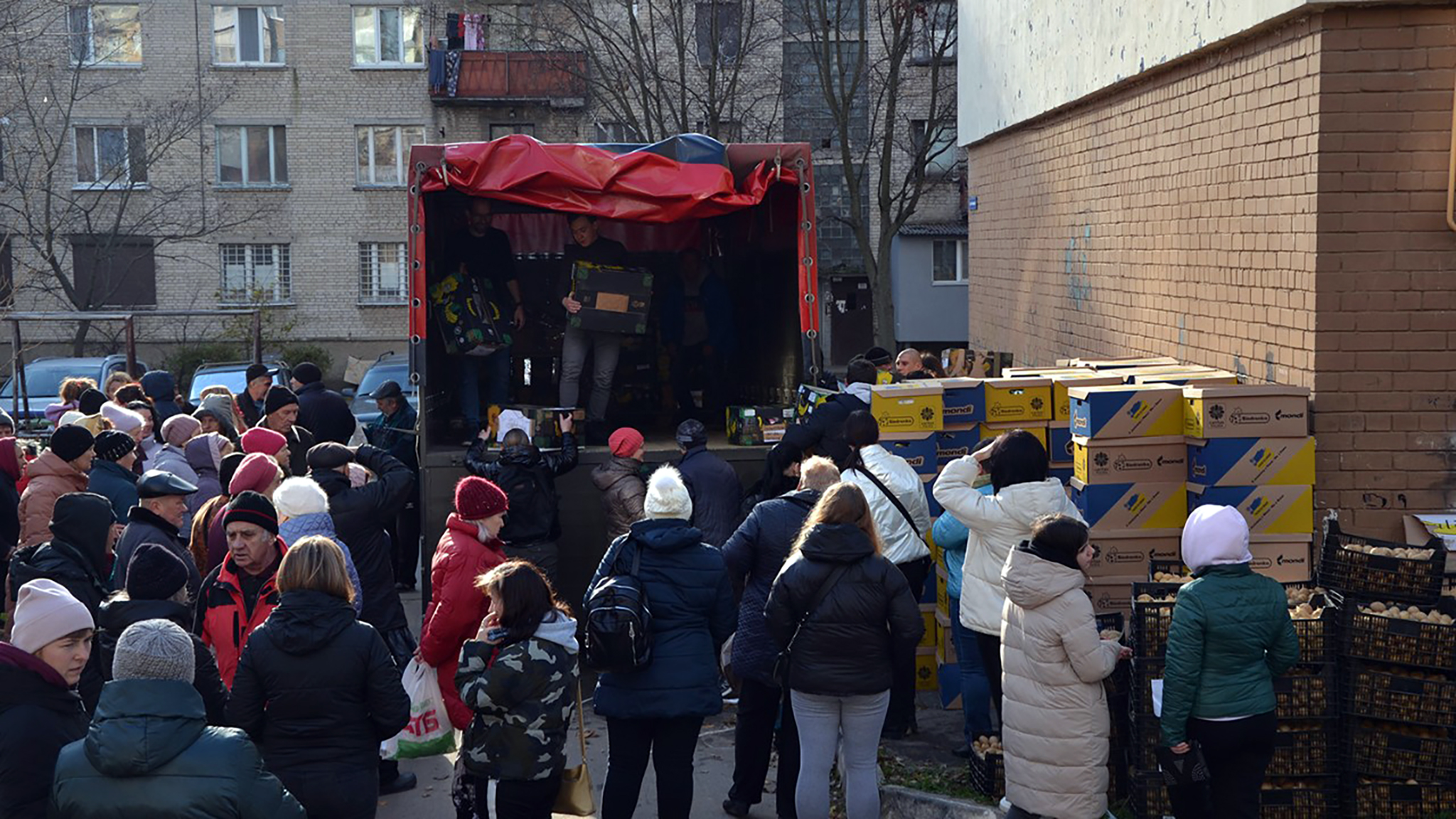
In response to the crisis, parishes and Caritas-Spes are launching so-called “Points of Invincibility” where residents can receive a hot meal, tea, and clothing. The Bishop’s Curia in Kharkiv has made its premises available to families – especially large ones – and to people who have lost heating or homes as a result of the bombardments.
“We defend the dignity of people who often come to us with two bags and nothing more,” said the director of Caritas-Spes.
At the Caritas center in Kharkiv, 150 to 300 hot meals are served daily. The facility is one of the first aid points for people fleeing the shelled areas of Donbas and surrounding villages.
Support from Poland and Europe
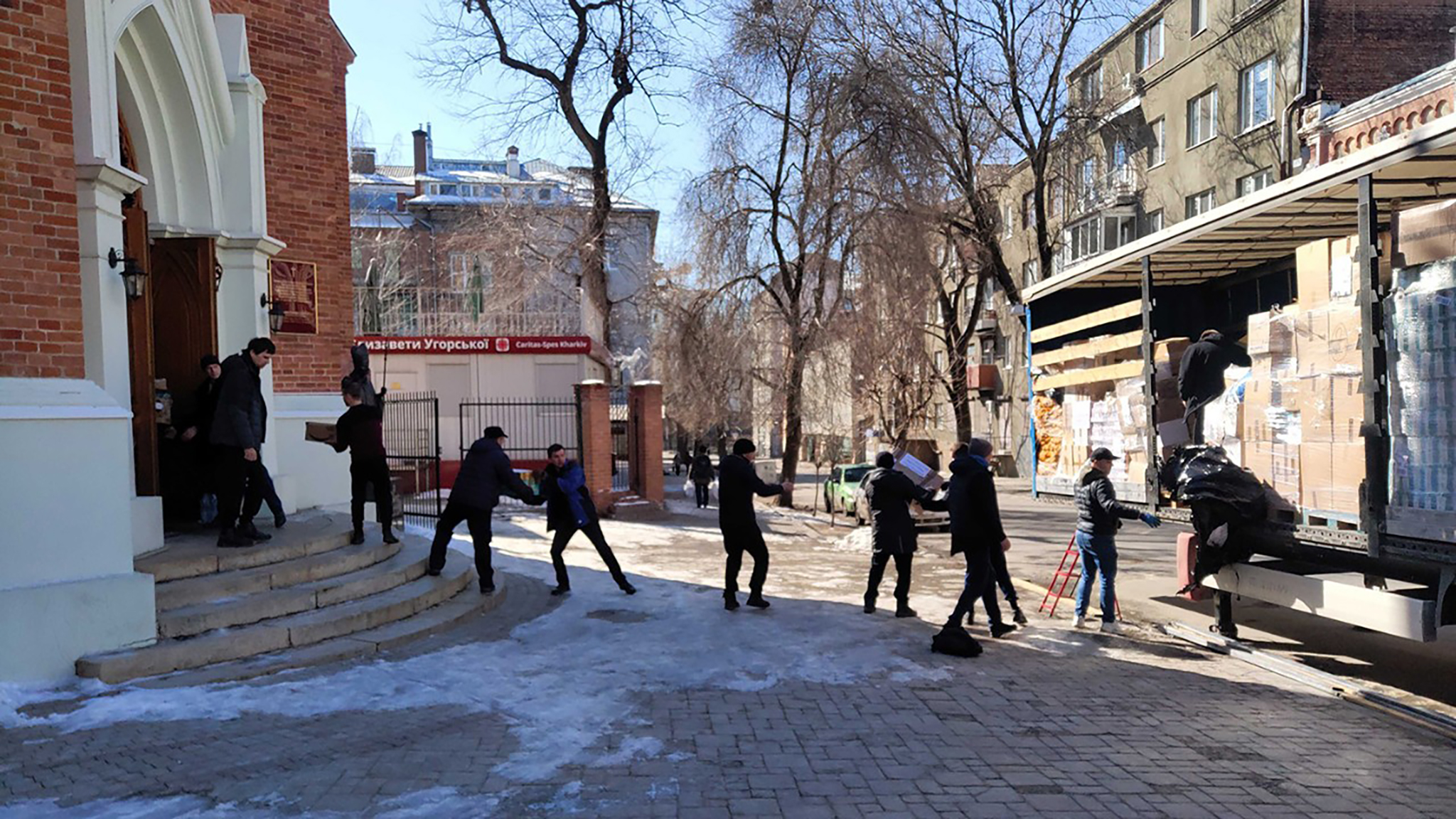
“Huge support comes from Europe, especially from Poland,” says Fr. Wojciech Stasiewicz. Thanks to collections organized by Caritas Poland, dioceses, and other church institutions, power generators have been purchased and are to be delivered to hospitals and critical infrastructure.
In Kharkiv’s medical facilities, to limit energy consumption, lighting is turned off for several hours at night. “Generators save lives,” emphasized the director of Caritas-Spes, adding that the demand for such devices remains very high.
In December, the Kharkiv city administration proposed signing a memorandum of cooperation with Caritas-Spes. The initiative came from Mayor Ihor Terekhov and aims to further coordinate humanitarian aid.
How to Help from Poland
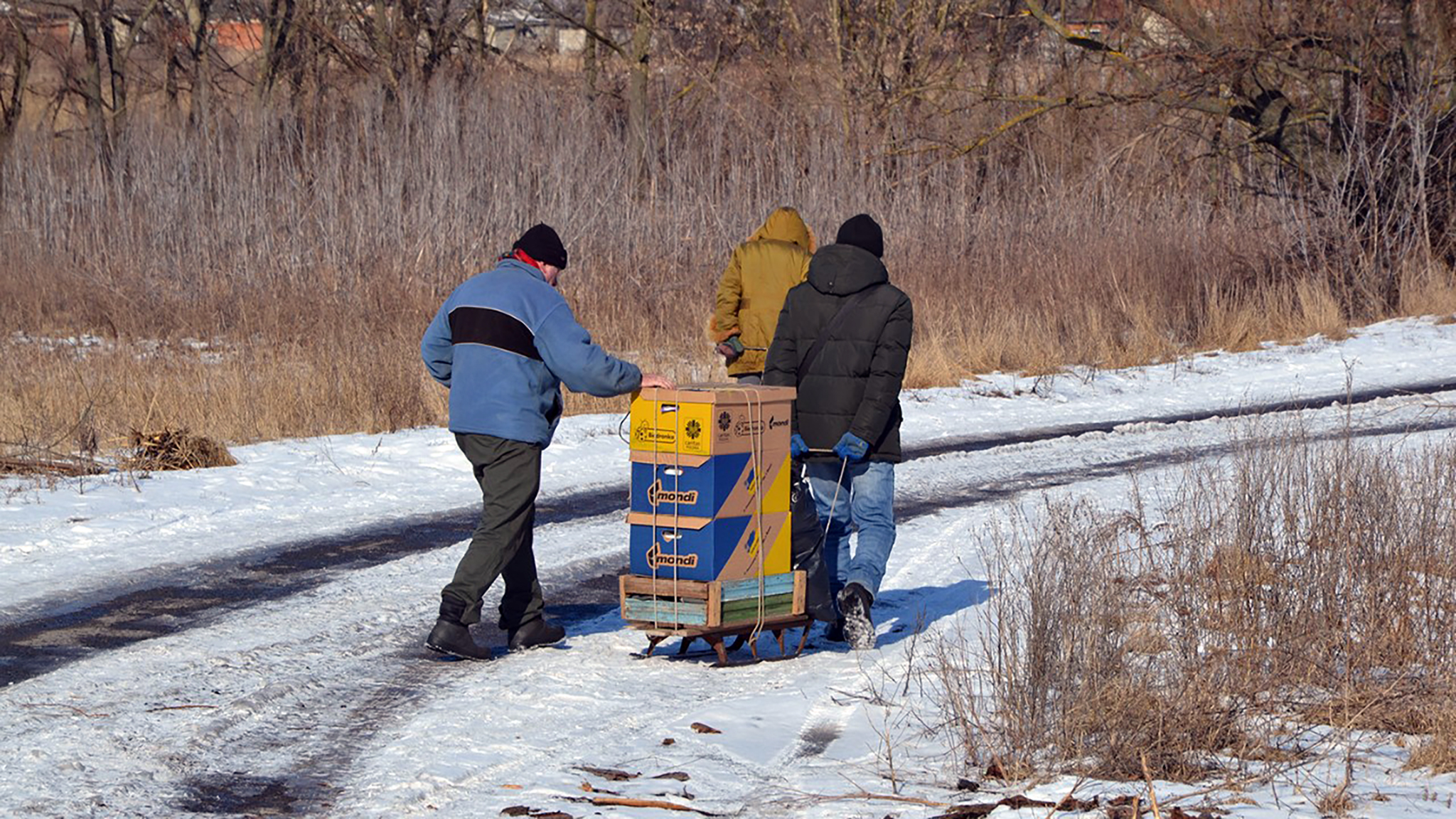
Support for the people of Ukraine comes from Poland, among others, through Caritas Poland and diocesan Caritas branches. It includes financial donations, material and parish collections, and the purchase of equipment necessary for hospitals and aid points, including power generators and fuel.
“We are grateful for every form of support and prayer,” says Fr. Wojciech Stasiewicz.