Massimiliano Menichetti
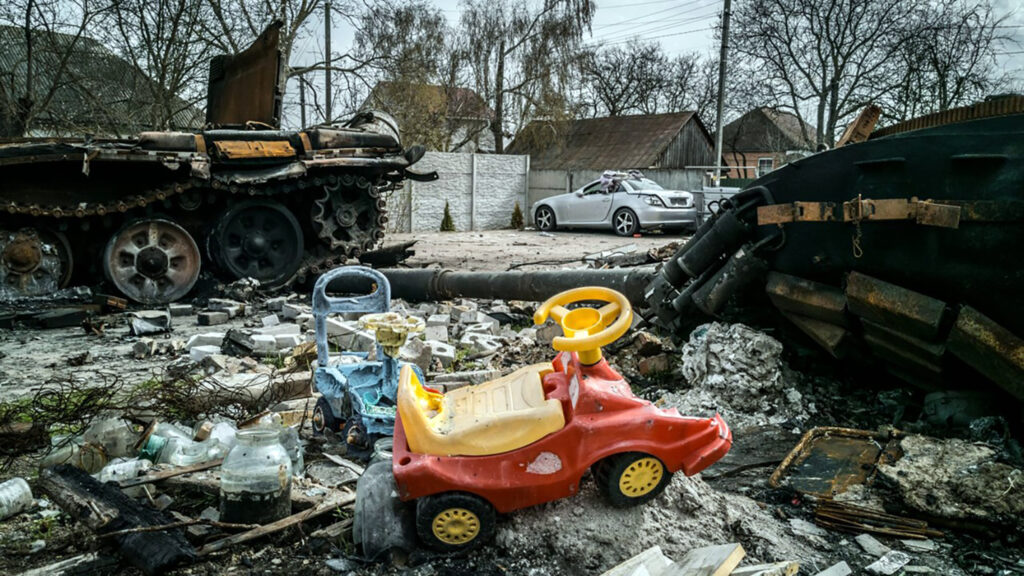
Depopulated cities, separated families, thousands killed and refugees, hunger, cold, fear, but also resistance and pride. This has been the daily reality of Ukraine since February 24, 2022, when the Russian Federation launched its invasion. One cannot get used to war – any war. Yet, time passes, as if confirming the ruthless logic of those who sow destruction and strip people of their dreams, hope, and potential for development.
Images of ruined buildings, underground shelters, and trenches have become part of the global information flow, with the risk of normalizing what should remain unacceptable. Conventional war in the heart of Europe seemed unthinkable until recently. Today, we are witnessing counter-offensives, mobilizations, new alliances, energy crises, and more victims.
Suffering remains hostage to strategies of conquest and retaliation. Previous attempts at mediation and peace conferences have yielded limited results – weapons still have the last word.
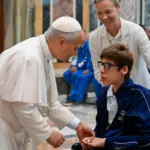
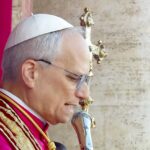
Last Sunday, Pope Leo XIV once again, with force, appealed for an immediate end to hostilities: “How many victims, how many human lives and families destroyed! How much destruction! How much unspeakable suffering!”
This war – also evoking the specter of nuclear weapons, and thus a threat to all humanity – exposes the weaknesses of a Europe focused mainly on the economic dimension, distant from the political, solidarity, and humanist horizons dreamed of by its founding fathers: Robert Schuman, Alcide De Gasperi, and Konrad Adenauer.
War cannot be accepted or justified – it must be stopped, and weapons must fall silent. Rearmament, supported by some political circles, is not the only possible answer; it can become a highly risky path. Peace is not born of military might – it is the fruit of a process that requires protection and consistency. It is protected through dialogue, relationships, mutual respect, diplomacy, and multilateralism.
Politics in its mature form builds coexistence, places the individual at the center, and serves the common good. It is a tool for serving the community, not a mechanism for maintaining power for its own sake. Meanwhile, politics also seems fragile today – both in Europe and beyond.
It is necessary to immediately silence weapons and make an effort for “peace without weapons and without rearmament,” as Leo XIV has repeatedly emphasized. This also means overcoming “internal armament” – hatred and distrust towards others.
The fourth anniversary of the war does not allow us to look away. An entire generation of Ukrainian children is growing up in a world of air raid sirens, explosions, and deprivation. This experience will leave deep scars that will not disappear quickly. Even after the cessation of hostilities, decades will pass before trauma and hostility are overcome.
What is needed is a perspective that does not humiliate the opponent but opens a space for dialogue; a path capable of transforming hearts. In this process, no one can be left alone. Europe should re-embrace the ideal of fraternity, hospitality, and subsidiarity, and rediscover its spiritual roots, which for years have remained on the margins of public debate.
Despite the pain, hope endures – present in the actions of thousands of people providing aid, saving lives, and working for unity and mutual support. Peace is not a sudden event but a process, often based on imperfect negotiations, requiring political courage.
May this fourth anniversary become a turning point – a year in which the international community stops merely managing the war and once again consistently begins to build peace, strengthening trust, coexistence, and shared memory.