Fr. Łukasz Bankowski
Cardinal discovers talent
Maffeo Barberini, as a cardinal and patron of the arts, commissioned Pietro Bernini, Gian Lorenzo’s father, to create sculptures for the family chapel in the church of Sant’Andrea della Valle in Rome. It was then that he noticed the young artist’s extraordinary talent. In documents from that period, Gian Lorenzo’s name appears for the first time as a co-creator of the commission. The future pope quickly realized that young Bernini surpassed his father’s workshop in terms of expression and innovation. He therefore consciously supported his development, entrusting him with independent projects.
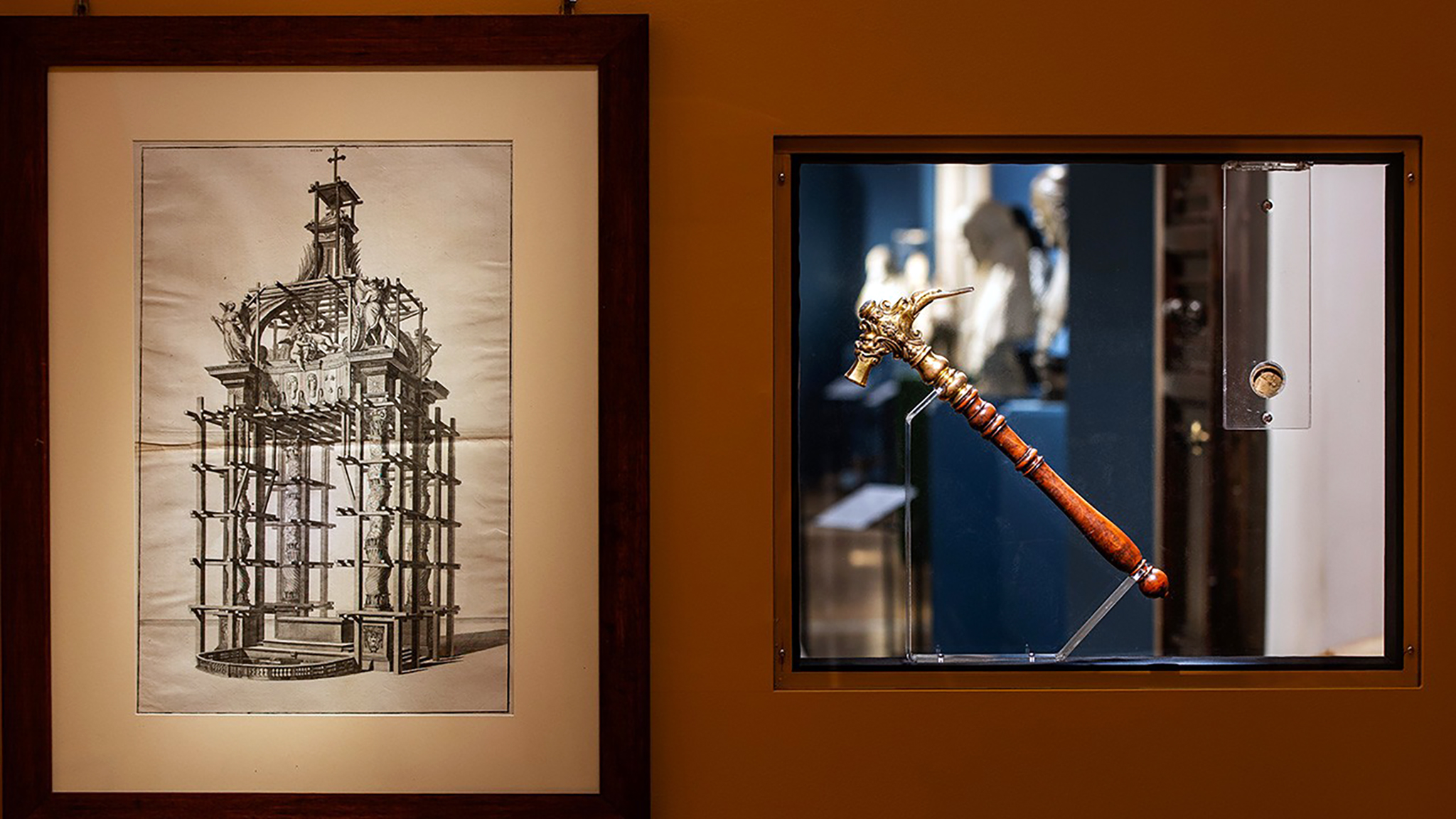
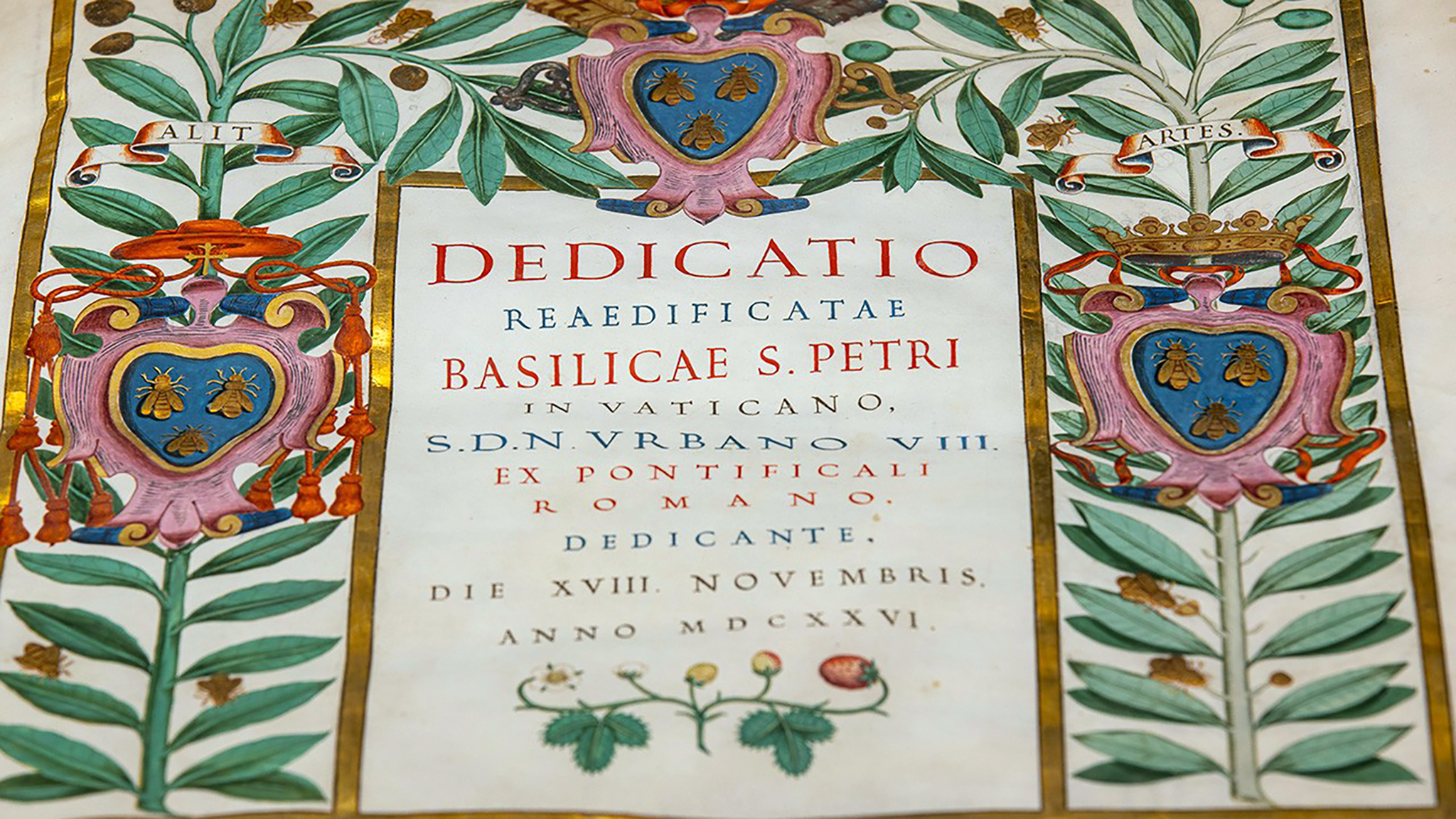
After his election as pope in 1623, Urban VIII made Bernini his principal artist. He entrusted him with prestigious commissions in St. Peter’s Basilica, primarily the design of the monumental Baldachin over the Apostle’s tomb. This was a turning point, as Bernini henceforth became the central figure of Roman Baroque.
Twenty years that transformed Rome
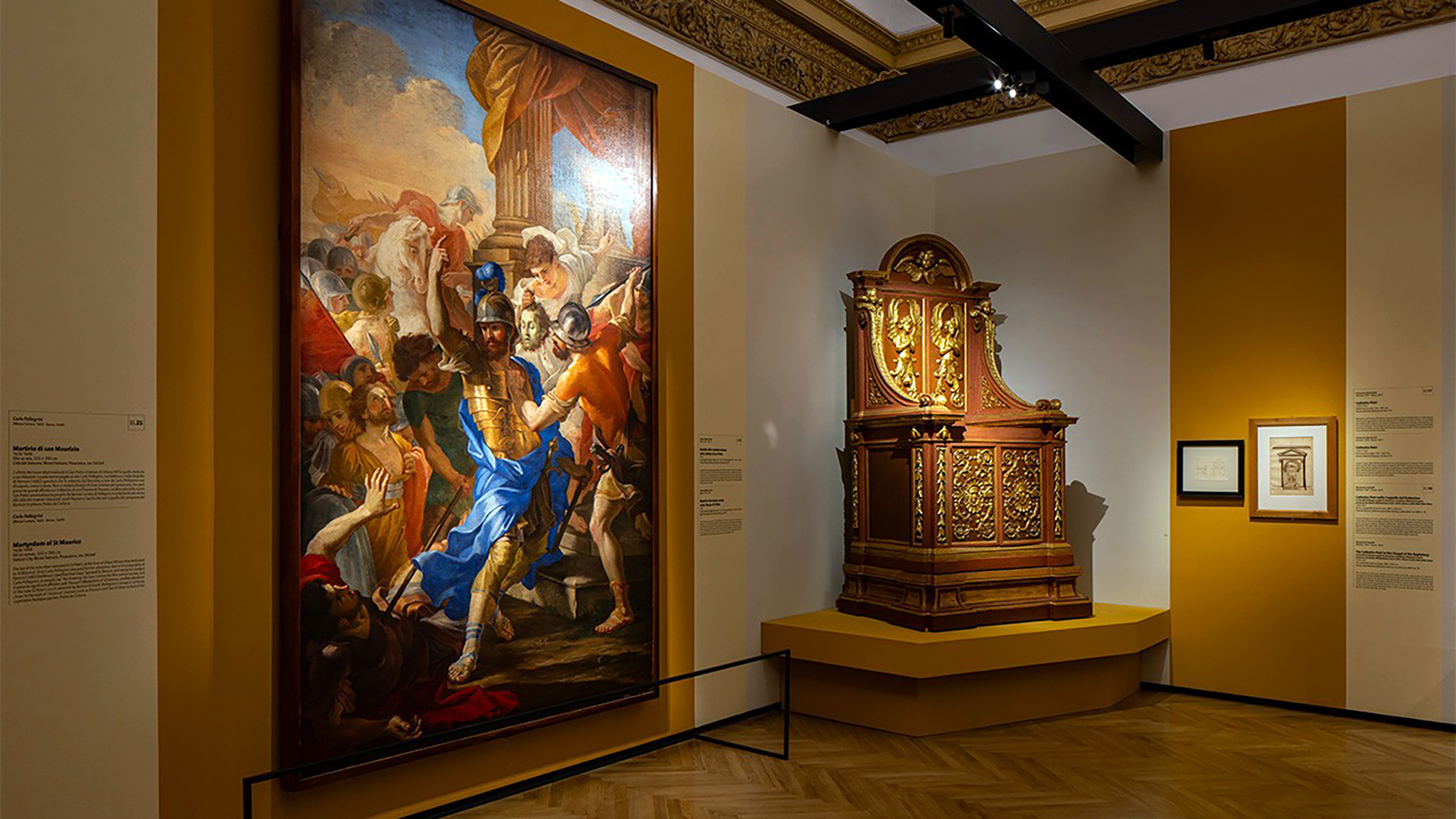
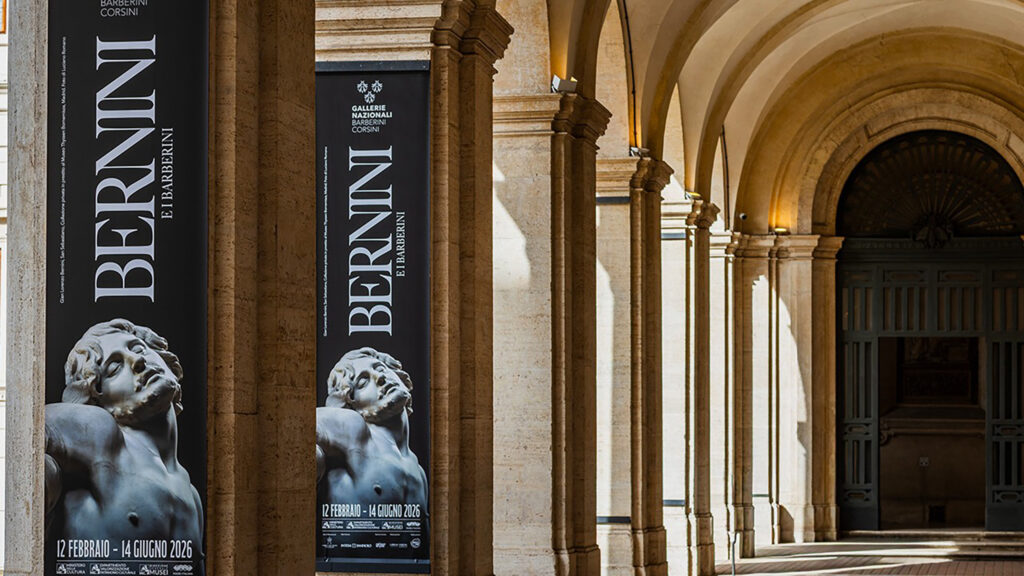
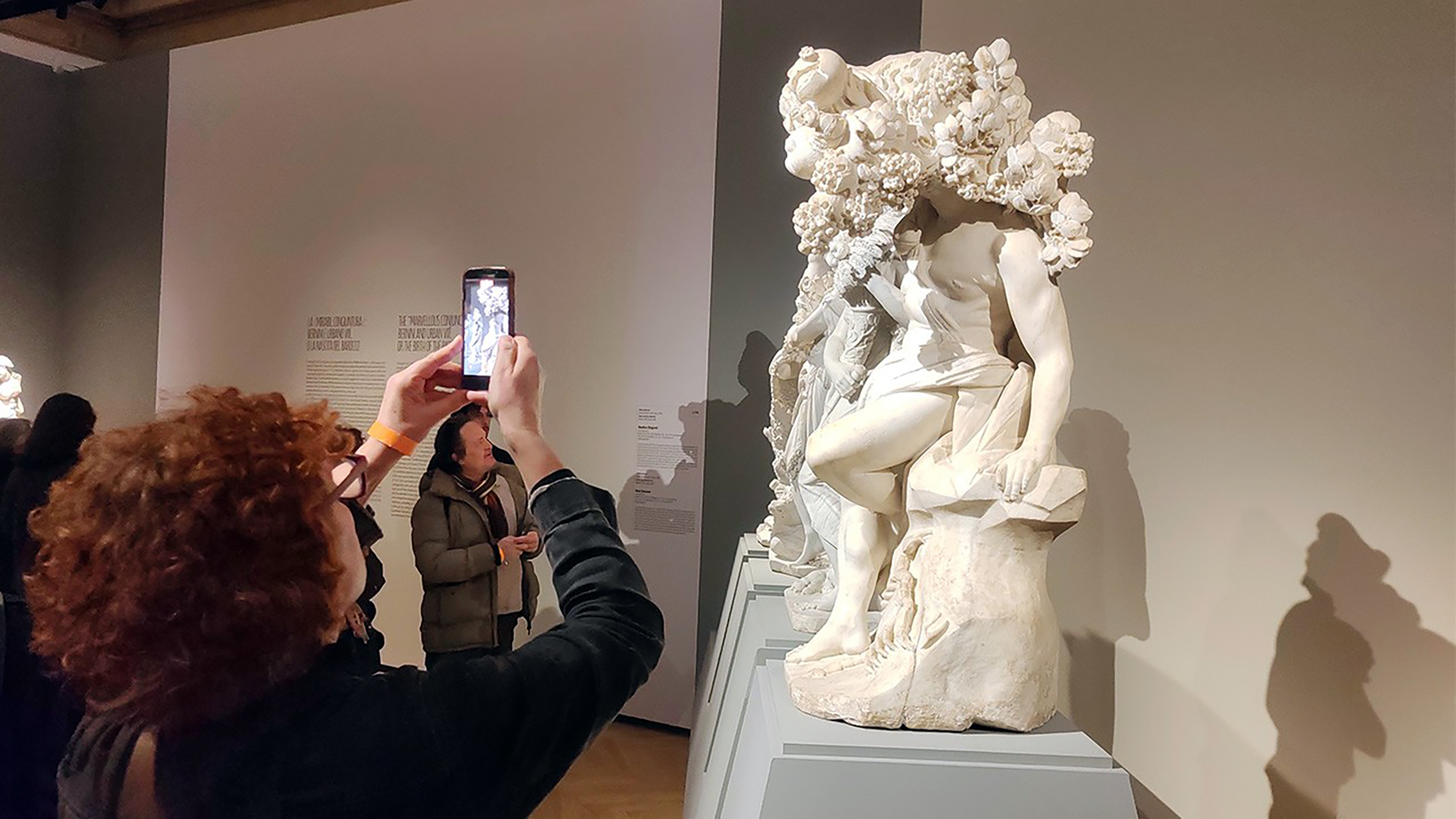
The pontificate of Urban VIII (1623-1644), realized through Bernini’s genius, initiated a true aesthetic and cultural revolution in the Eternal City. The exhibition curators: Andrea Bacchi and Maurizia Cicconi, present over seventy works showcasing the shared vision of the pope and the artist.
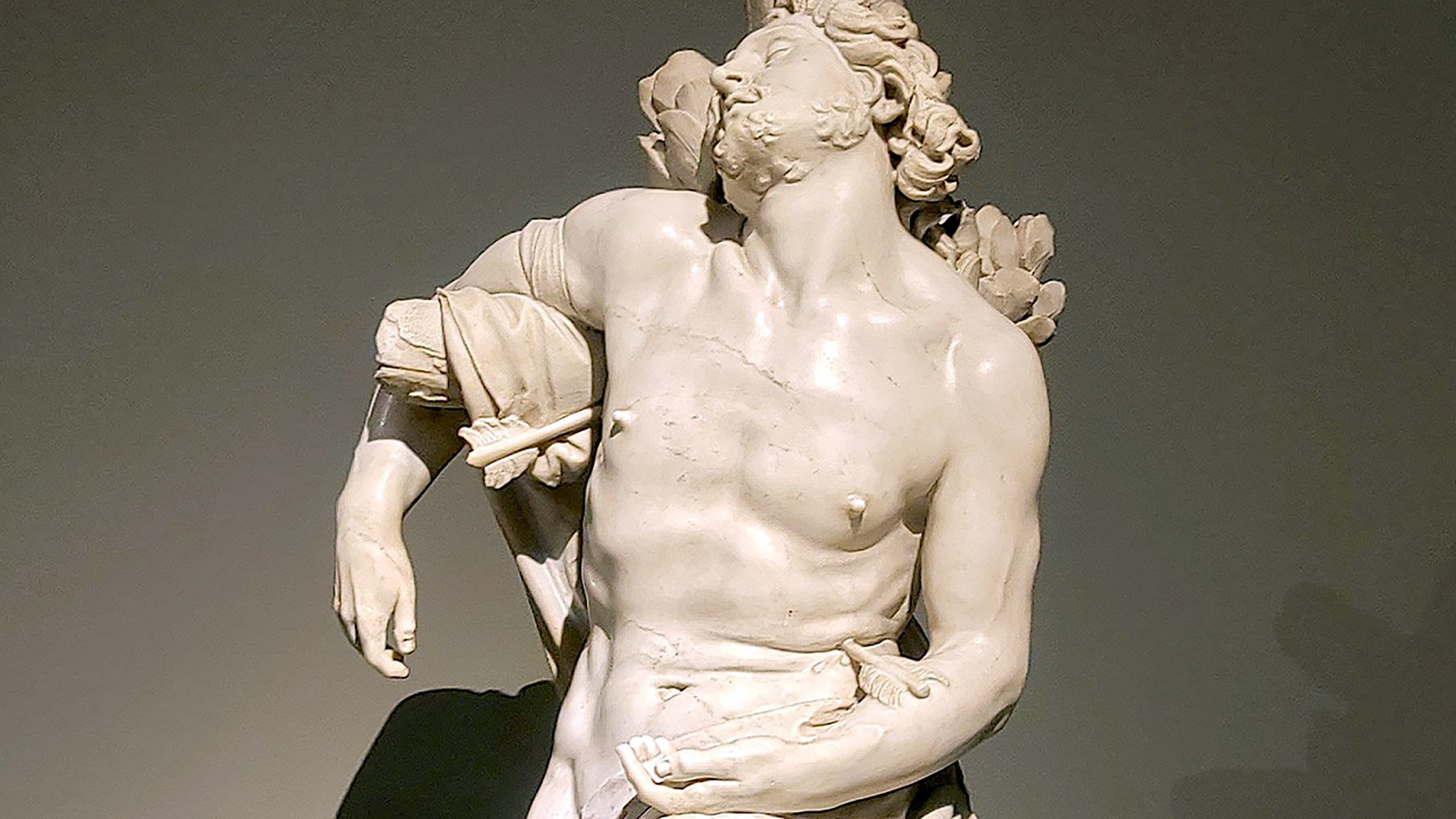
The first part of the exhibition features early works by Bernini, created in collaboration with his father, including “Adam, Eve and the Serpent,” “The Four Seasons,” “Putto with Dragon,” “Saint Lawrence,” and “Saint Sebastian of the Barberini,” chosen as the symbol of the exhibition. As Andrea Bacchi emphasizes, this was one of Maffeo’s first commissions to Gian Lorenzo, perhaps the first Baroque sculpture.
Bernini: the new Michelangelo
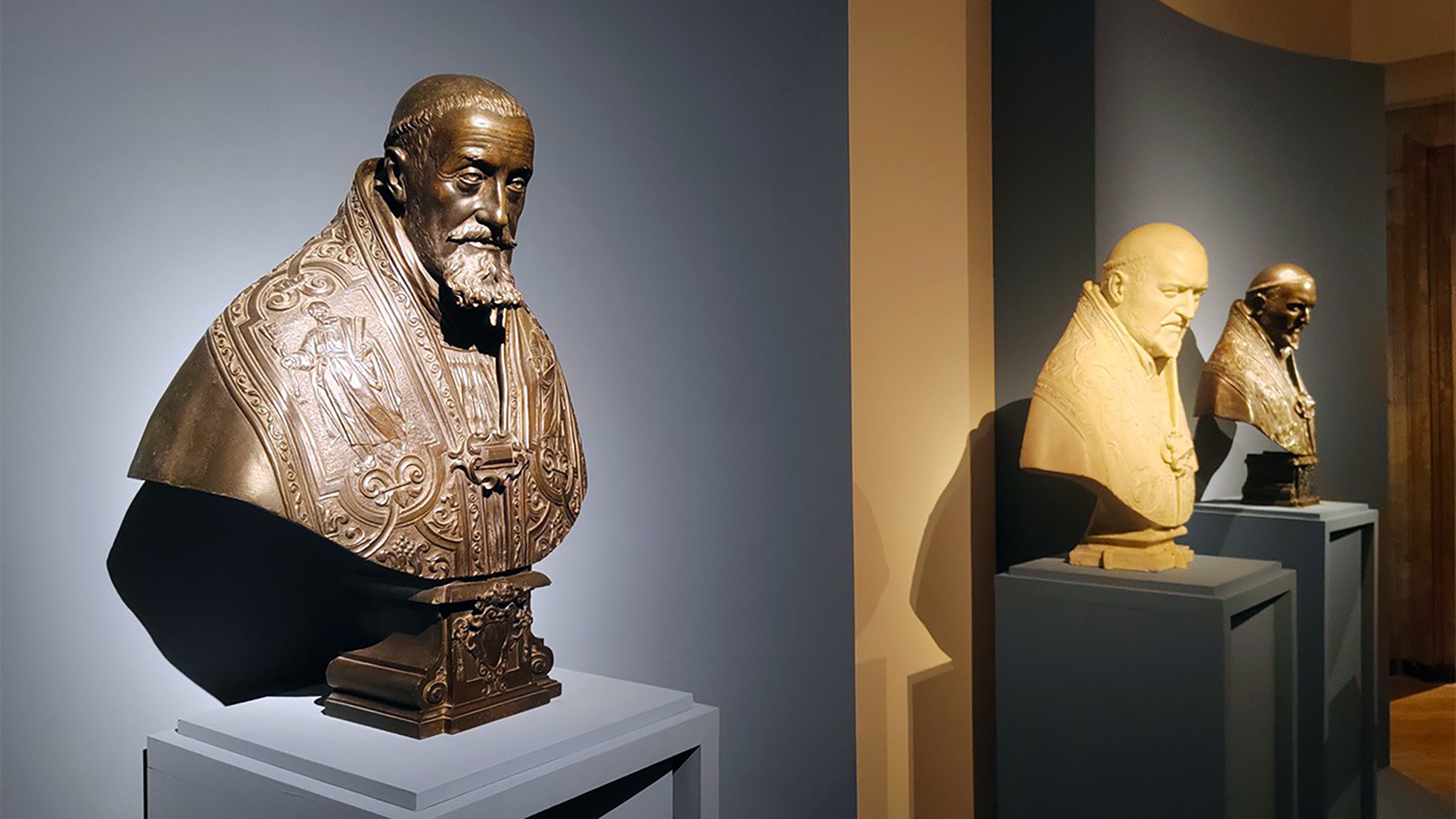
The second part of the exhibition focuses on major projects realized in St. Peter’s Basilica: the Baldachin, the Loggias of the Relics, and St. Peter’s Chair. These works became a symbol of the triumphant papacy during the Thirty Years’ War. Through art, Urban VIII built a vision of the Church’s power and the significance of the Barberini family. The exhibition also includes papal portraits and busts of cardinals and dignitaries of the era, revealing the psychological depth of Baroque sculpture. Alongside official commissions, more private works by Bernini are also presented, including the famous bust of Costanza Bonarelli.
The exhibition is not only a presentation of masterpieces but also an attempt to reinterpret Bernini’s role as the “new Michelangelo” and to show Rome as the center of artistic renewal in 17th-century Europe.
Collaboration between the museum and the Vatican
The exhibition complements what pilgrims and tourists can see in Roman basilicas, encouraging them to discover the city as a living museum of the Baroque. “Patronage is a sign of shared responsibility for the protection and dissemination of artistic heritage,” emphasizes Stefano Attili from the Fabric of Saint Peter. The exhibition was realized with the support of Intesa Sanpaolo and in cooperation with the Basilica of Santa Maria Maggiore, allowing visitors to continue this artistic journey beyond the museum walls.