Xavier Sartre ie Guglielmo Gallone – Vatican
Closed crossings
As confirmed by Cogat, the Israeli Ministry of Defense body coordinating humanitarian activities, all crossings into the Gaza Strip have been closed. This is the only route for humanitarian aid, essential goods, and for the sick requiring treatment outside the enclave. The decision is part of regional tensions related to Israeli and US attacks on Iran and Tehran’s retaliation directed at Middle Eastern countries.
Insufficient aid
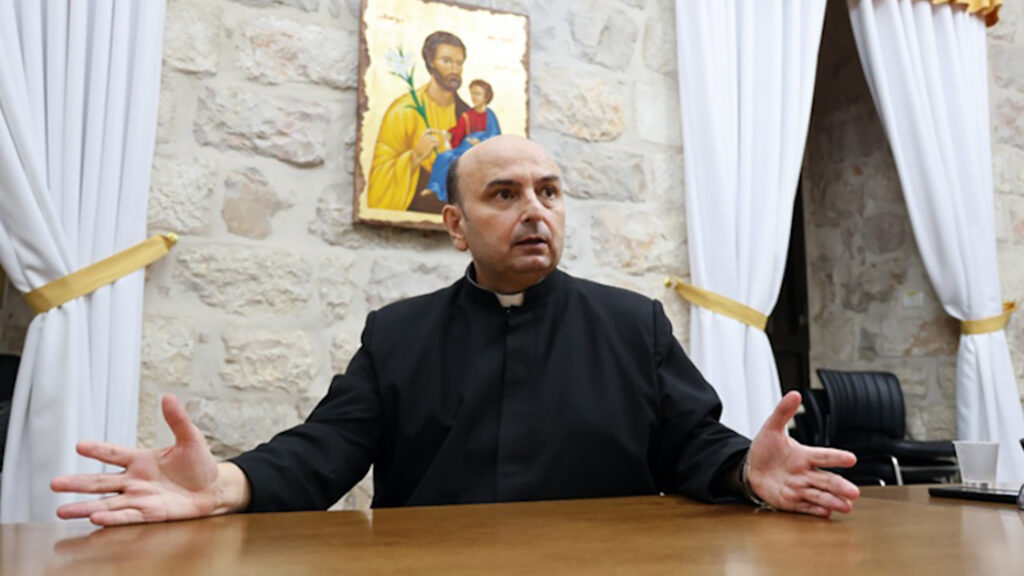
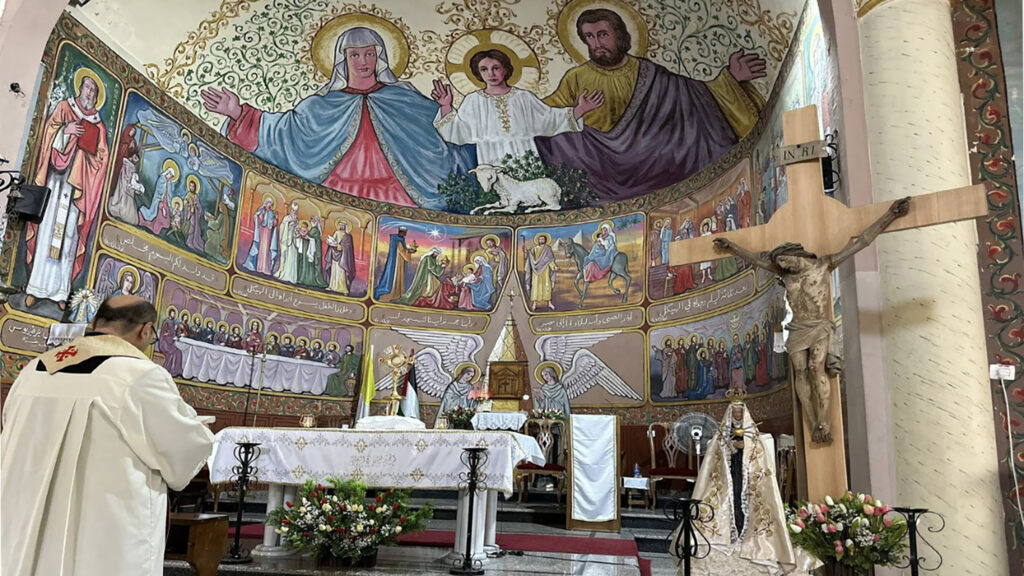
Fr. Gabriel Romanelli described the situation in Gaza as “tragic and terrible.” “Humanitarian aid is arriving, but it is not enough,” he says. Although some products – fruits, meat, cheese – have reappeared on the market, prices are very high, and many residents cannot afford this food. The problem is a lack of income. “Most people have lost everything: their home, their job, their salary,” reports the parish priest in Gaza.
Water and energy
Since the beginning of the conflict, there have been no regular electricity supplies. “To generate it, generators are used, but it’s really very expensive,” laments the priest. There is a lack of solar panels, which, he notes, are not allowed to be brought in.
Even more serious is the water crisis, which, as Fr. Romanelli adds, is a “precious commodity” in the enclave. Residents wait for hours to “receive five, ten, fifteen liters of drinking water.” In many districts, infrastructure has been destroyed by bombings.
Ban for NGOs
Since March 1, there has been a ban on entry for non-governmental organizations. “This will affect the entire society, as well as the Christian community,” warns Romanelli. One organization has announced the suspension of meat and other product deliveries. “The same could happen with drinking water,” fears the priest.
Hope despite everything
The residents – says the priest – maintain hope “full of faith in God,” although it is more fragile towards people. “One cannot continue to live like this. This is not human and cannot help justice and peace,” warns Fr. Romanelli. Therefore – he emphasizes – “solutions must be found now.” He adds that the international community should enable a real influx of aid, necessary not only for material reconstruction but also for moral and existential recovery.