
For a long time, this stamp did not have a proper name. And since it was most often affixed to a letter using saliva, it long bore the customary name “envelope licker”.
When postage stamps were not yet used
In the 17th century, the English Royal Mail did not gain prominence due to its slowness in delivering letters and parcels. As already mentioned, this resulted from long delivery times for mail and high fees for such a service. The head of the British Post Office and, of course, postal services, Robert Wallace, undertook an appropriate postal reform. Above all, he reformed the cost of delivering letters to customers.
How the postage stamp came into being
At the same time, James Chalmers and Lovrenc Košir submitted their ideas for the creation of a postage stamp, the purchase of which would cover the postal service. Its purchase, or simply its “value,” was a simultaneous payment for the delivery of a letter to an addressee living only in England and Ireland.
In a special brochure
In January 1837, Rowland Hill printed a brochure in which he proposed the abolition of privileges for members of the court and members of parliament regarding postal fees. He thus unified the fees for sending and delivering letters, introducing the so-called “single rate.” The prototype for the appearance of the stamp at that time was a medal with the image of Queen Victoria. The creator of the aforementioned medal was a certain William Wyon. Already on May 6, 1840, the “British postage stamp,” with a value of one penny, was put into circulation. But it had a predominantly black color, which, of course, no one liked, and it was commonly called the Penny Black.
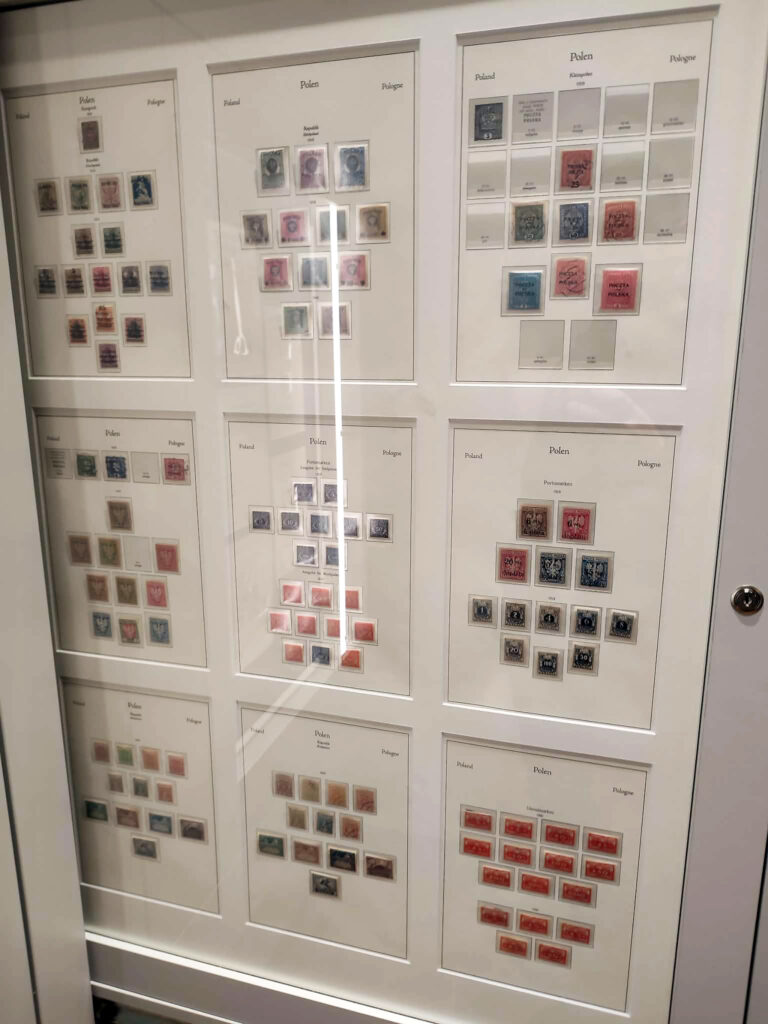
In Poland
In Poland, the aforementioned postage stamp was called the “envelope licker.” Even a certain poem related to it is known to this day, to which music was later composed, creating a cheerful song.
…When you lick, of course
this stamp on the letter
it will reach the lady faster
who must read it soon…
The postman’s profession
Letters were delivered to the addressee by a postman. He was colloquially called a “licker” after the aforementioned “envelope licker.”
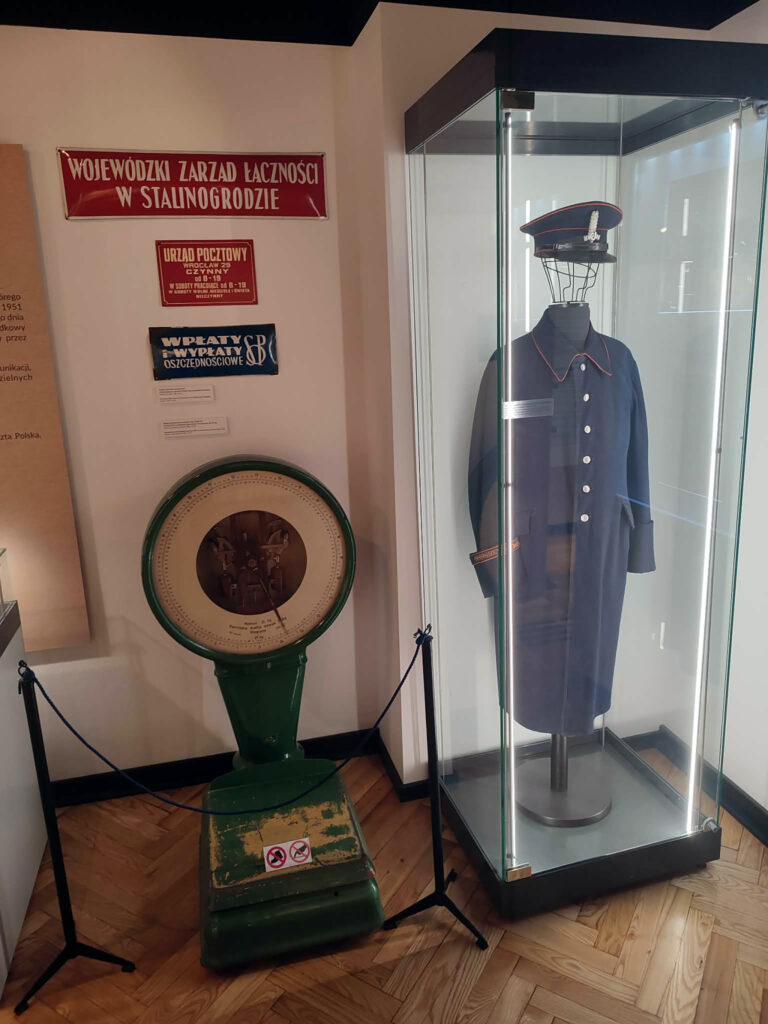
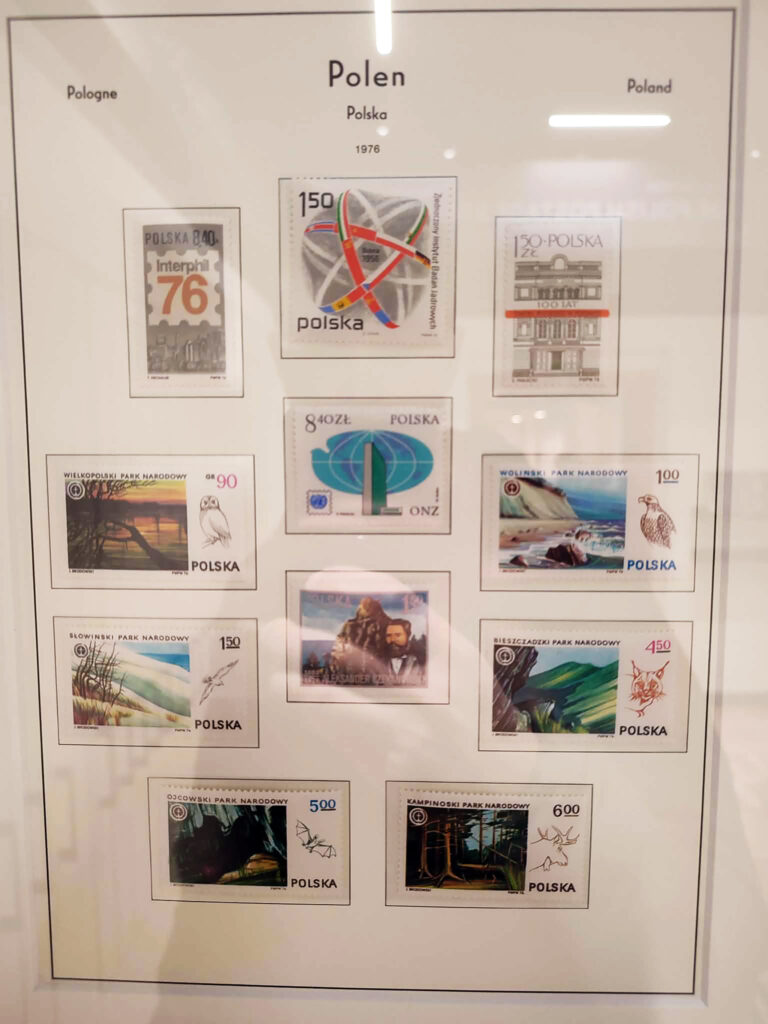
The editorial staff of “Dziennik Polonijny” went to Wrocław to see an exhibition dedicated to old postage stamps at the Post Office Museum there.