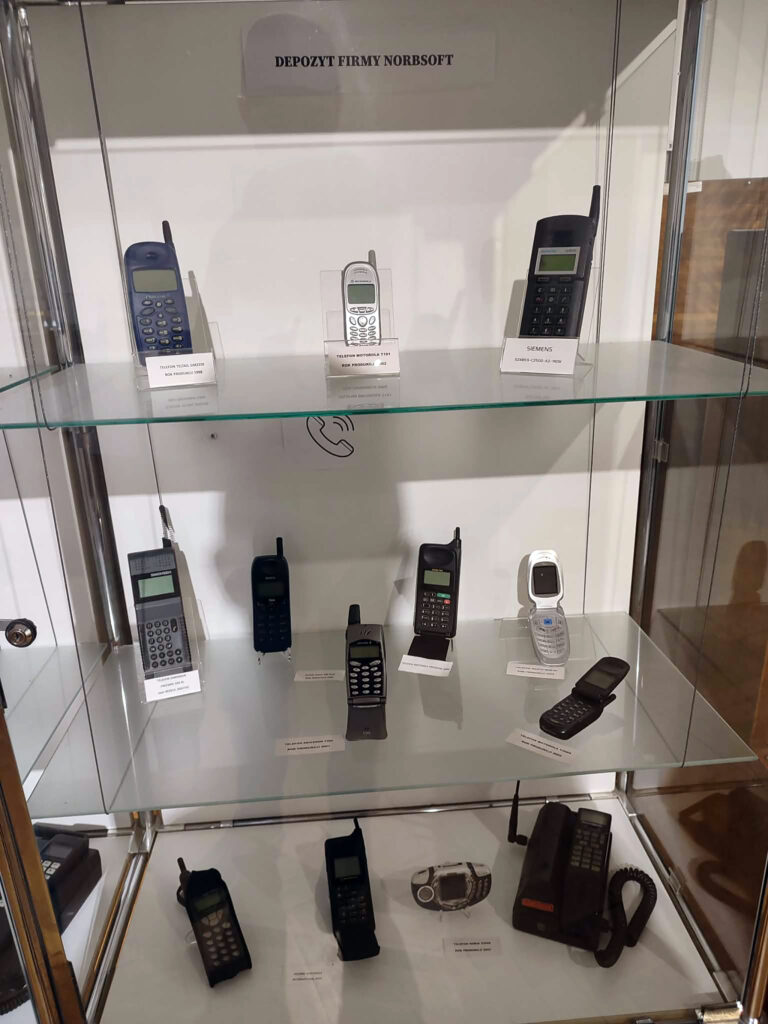

Transmission and Reception
Telecommunication is simply “the sending, receiving, and transmission of information, by wire, radio or optical waves, or other electromagnetic means.” As early as the Middle Ages, burning signal fires located on hills played an important role in communication between nearby settlements. Such a system, as can be seen, was quite primitive and could only convey one form of information, most often a warning, whose exact meaning had to be established in advance.
The First Telegraph
In 1792, a French engineer, Claude Chappe, built the first optical telegraph, running from Lille to Paris. However, this system required skilled specialists who could operate it properly. It also required expensive towers standing at intervals of approximately ten to thirty kilometers. Under the pressure of great competition from the electric telegraph, the last optical telegraph line was closed in 1880.
Telegraph and Telephone
English scientists Charles Wheatstone and William Cooke constructed the first commercial electric telegraph, put into public use on April 9, 1839. Samuel Morse, on the other hand, developed his independent version of the electric telegraph. He published it on September 2, 1837.
The Italian’s Idea
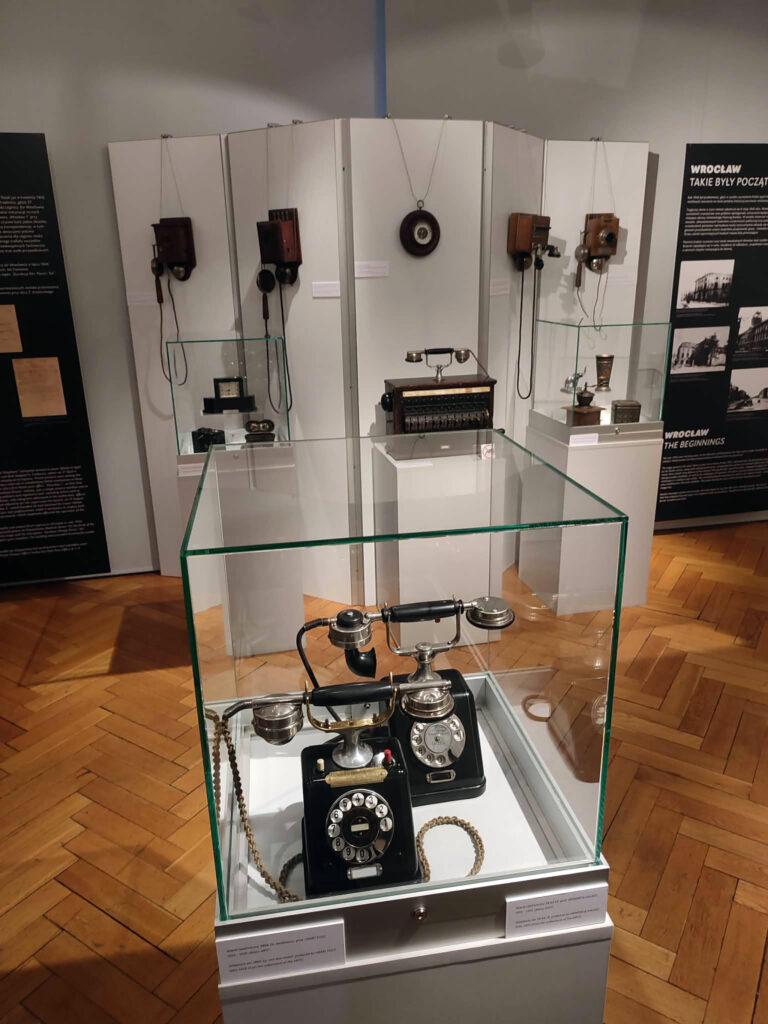
In 1884, the Italian Antonio Meucci constructed the first electrical device used for voice transmission, of course, via lines. Most importantly, his invention was somewhat impractical, as it required users of his invention to hold the receiver in their mouths, allowing them to hear what the caller was saying and to speak to them. Alexander Graham Bell invented the telephone in 1876. Initially, this telephone was called the “Bell System.” The first telephone services emerged in 1878 and 1879, on both sides of the Atlantic Ocean.
Presentation for Students
In 1832, James Lindsay demonstrated a wireless telegraph to his students. He was able to show transmission across a North Sea bay, using water as the transmission medium. In December 1901, Guglielmo Marconi achieved wireless communication between Canada and England. For this achievement, he received the Nobel Prize in 1909. On March 25, 1925, John Logie Baird showed the world the transmission of moving images in Selfridges department store in London. However, most television known from the 20th century depended on the cathode ray tube invented by Karl Braun.