
Vatican News
The Holy Father reminds us that peace is not an empty slogan, but a path requiring prayer, patience, commitment, and responsibility for the common good.
Before the world falls into an “irreversible abyss”
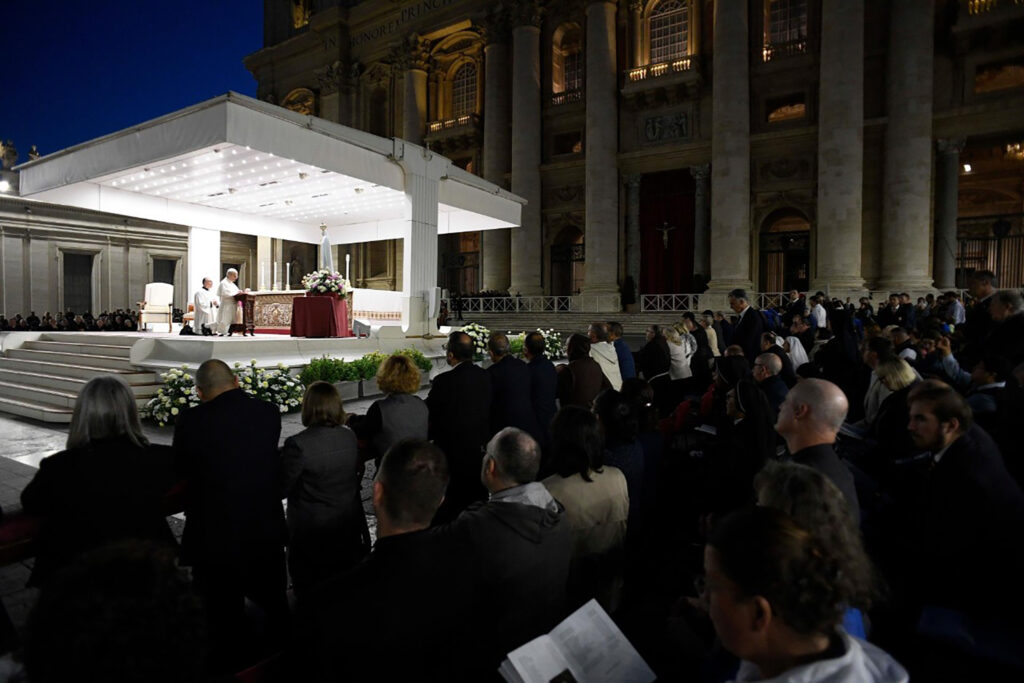
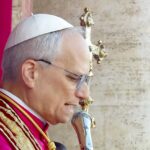
“War again!”, said Leo XIV during a visit to a parish in the Roman suburbs, expressing concern about rising global tensions. The Holy Father emphasized that violence is never the right path, and stability and peace are not built through threats or armaments, but through “reasonable, authentic, and responsible dialogue.” In the face of the threat of a tragedy of immense proportions, he called on the parties to the conflicts to stop the spiral of violence before it becomes an “irreversible abyss.”
Last Sunday, during the Angelus prayer, the Holy Father became the voice not only of Christians but also of representatives of other faiths: “in the name of the Christians of the Middle East and all women and men of good will, I appeal to those responsible for this conflict: I call for a ceasefire! Let the paths of dialogue reopen! Violence will never be able to lead to the justice, stability, and peace that peoples expect.
Forgiveness and dialogue
The Pope repeatedly reminds us that strategies based solely on military force do not bring results but lead to destruction. True security arises from mutual respect and fraternity among nations. Therefore, the Holy Father appeals for an end to the arms race and a return to the role of diplomacy, which should serve to build a just and lasting peace.
In his speeches, he also draws attention to the importance of language in public life. “The world will not be saved by sharpening swords,” he recalled during Mass at the beginning of 2026. Peace is born rather from the effort of understanding, forgiveness, and acceptance of the other person. Therefore, Leo XIV, in his Letter for this year’s Lent, calls for “disarming words” and rejecting propaganda and ideologies that justify violence.
At the same time, the Pope emphasizes that peace is not merely a balance of power. It is built through truth, reconciliation, and the education of the heart to fraternity. “Weapons kill, while negotiations, mediation, and dialogue build,” he said during his first apostolic journey to Lebanon, encouraging the choice of dialogue over violence.
The Pope encourages encounter
Leo XIV has also repeatedly assured that the Holy See is ready to support all initiatives leading to reconciliation between nations. “No one should threaten the existence of another,” he emphasized shortly after his election as Pope. Therefore, the Church wants to do everything to bring about a meeting of the conflicting parties. “Let’s meet, talk, negotiate!”, the Pope encourages, reminding us that peace begins in the human heart and can become a reality when people dare to choose the path of dialogue instead of violence.
Despite the Pope’s concern and the diplomatic efforts of the Holy See, the armed situation in the world remains unstable, with regular warfare in many places. Therefore, every Christian, feeling united with the Pope, should not cease praying for the conversion of hearts and peace for the world.
Do Christians responsible for wars examine their conscience?
During an audience for participants in a course on the internal forum, Leo XIV spoke on March 13 about the need for an examination of conscience and confession to draw closer to God. He stated that this treasure of the Church often remains unused. The Pope said that one should ask the question: “Do those Christians who are responsible for serious armed conflicts have the humility and courage to make a serious examination of conscience and confess?”