In architecture, they most often served as partitions defining certain room boundaries, thereby providing intimacy and warmth.
Room Screens from China
The first room screens originated in China. As one might easily guess, they were quite heavy, as they were made of wood. They, of course, served as a kind of movable wall. The so-called “accordion” screen, or otherwise the sliding Japanese screen, became a permanent element of almost every traditional interior. It was not just an ordinary partition, but it was connected with Japanese beliefs and a certain custom of the inhabitants of the Land of the Rising Sun.
According to Our Editorial Team
As the Editorial Team of “Dziennik Polonijny” noted, a characteristic element of Japanese art and craftsmanship was the so-called temporariness. Therefore, screens, as so-called “alleged walls,” could be easily removed at any time. And this happened only because Japanese homes often featured light, this time paper or bamboo screens used as decorative walls, complementing the furniture.
The Significance of Religion
The Shinto religion, practiced there, and over time Buddhism, had a great influence on Japanese architecture, naturally with the use of screens. Thus, the Japanese fondness for using fragile elements as interior decorations forms the core of their culture, based on their faith. And why? Because during the day, when the Japanese offered prayers to their god, they would separate themselves from the rest of the household with such a light screen, thereby creating an intimate atmosphere that allowed them to focus more on their relationship with the deity.
During Tea Drinking
Some Japanese ladies, when drinking tea with a friend, had to separate themselves with a screen from the rest of the household to engage in interesting conversations under such conditions.
In Europe
In the 16th century, when Western merchants visited Eastern countries, they noticed the advantages of beautiful and, above all, light screens. They thus brought this type of home furnishing to the Old Continent. For example, Jesuit missionaries used screens as folding atlases and taught geography to their students using them. As is known, maps were drawn on the panels of such screens. They also used them to practice religious beliefs, as they set up altars behind the screens where they burned candles as offerings to Catholic saints.
European Room Screens
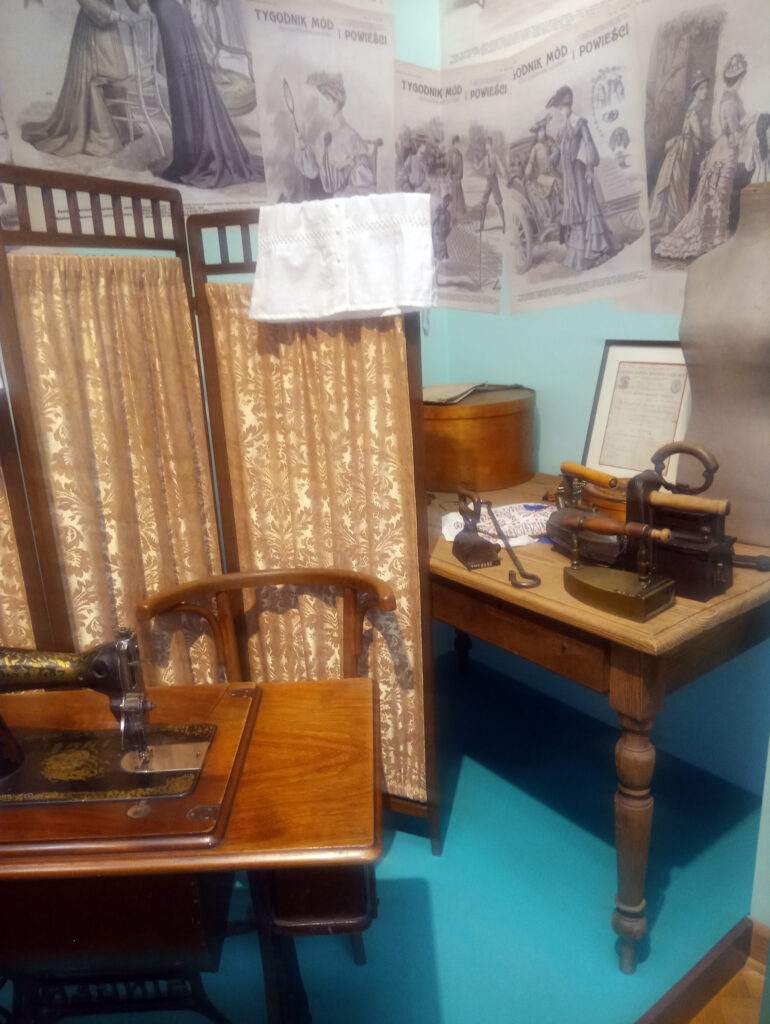
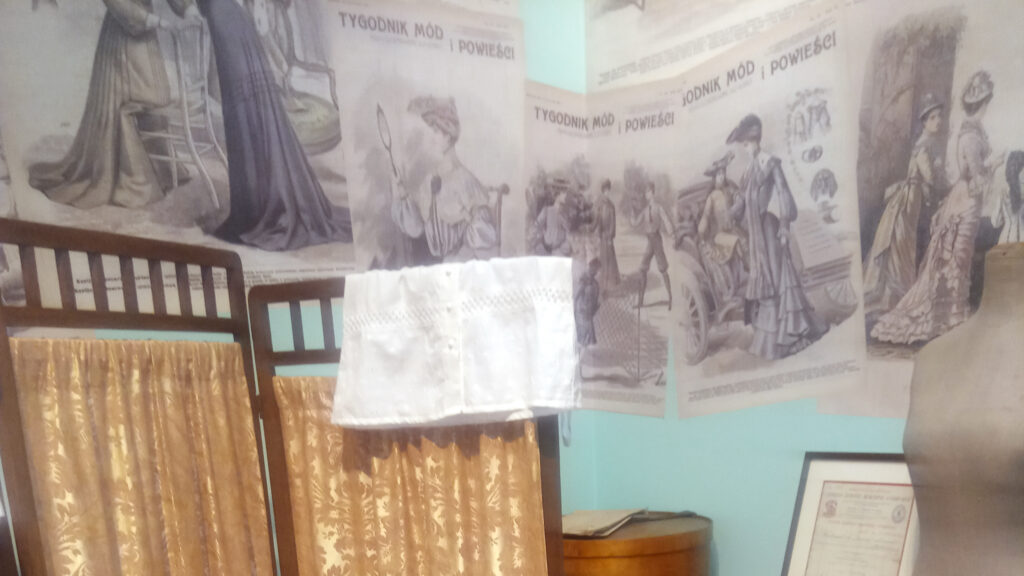
Room screens quickly became popular in Europe, becoming furnishings for, for example, women’s bedrooms, where they spent a long time at their toilette. The designs of European screens were modified according to the needs of their owners. However, on the Old Continent, they were no longer as light as in Asia, but had to be solid, which meant they were heavy. They were also most often used by dressmakers and in doctors’ offices.