Piotr Kowalczuk
As Vatican News reminds us, the Anglophone minority (6 million people, 20% of the population) feels marginalized by the Francophone majority and demands separation. Separatists have formed armed units. Clashes, kidnappings, arsons, and attacks on civilians are frequent. As a result of the civil war, thousands have died, and over a million have had to leave their homes.
Does the bishop believe that all Cameroonians will listen to the Pope’s words, regardless of their professed religion, political views, or which side of the social conflict they stand on?
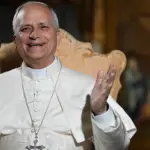
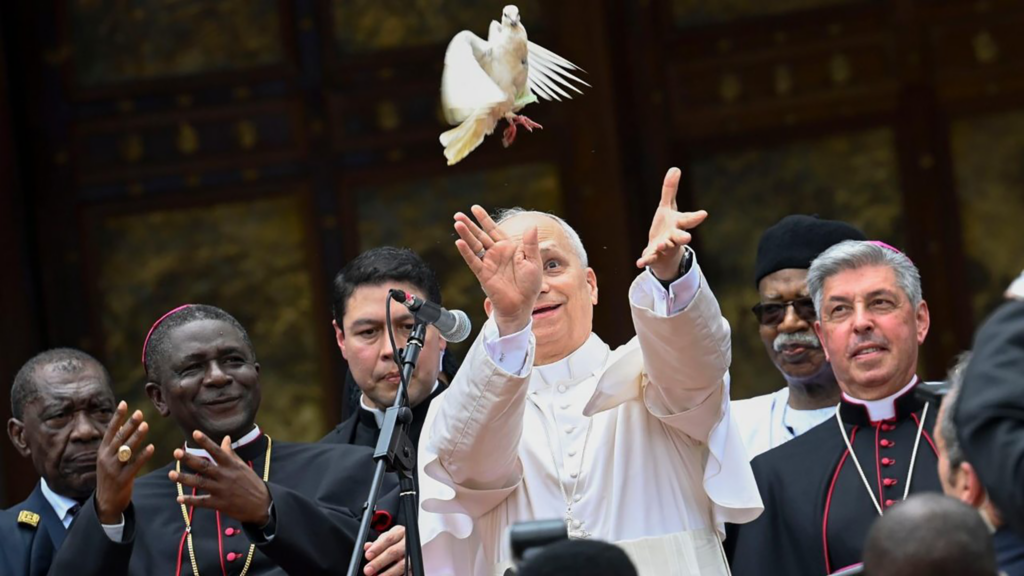
Bishop Michael Bibi (MB): In Cameroon, followers of all religions and denominations awaited and continue to await the Pope. The Pope addresses his message to all humanity. What Leo XIV said yesterday to the authorities and the diplomatic corps was very specific. Judging by the assessments, the Pope’s words were very well received by the Anglophone part of society as well. And the Pope said a very simple thing: You must work for peace, you must reconcile and unite.
Separatists announced a ceasefire during the papal visit. Is this a sign of some change?
MB: They did it for the first time! So this is something new. It is certainly a sign of respect for the Pope, his person, and the entire Catholic Church. Regarding this conflict, the Catholic Church has always been very consistent, seeking all avenues that can help achieve peace, justice, and reconciliation, trying to engage separatists in finding an agreement. I would very much like the Church to be the mediator in this dialogue. Perhaps then lasting peace can be achieved throughout the country. And that is what everyone wants, Catholics and non-Catholics.
What needs to happen for peace to prevail in Cameroon?
MB: We must strengthen dialogue, utilize the positive, peaceful atmosphere that accompanies the papal visit. We will do this as the Church. We will speak of peace and justice, of the necessity of reconciliation. We will pray that after the ceasefire, which the separatists agreed to, the time for dialogue will come. We need to ensure the separatists’ safety and together with them ask the question, “What next?”