Polish Białowieża Forest
An example of such a place is the Białowieża Forest in Poland, showcasing not only plant species but also animal species, as its king is the bison. Modern forms of nature protection, it should be remembered, stem from people’s romantic fascination with the wild natural environment.
First Actions
An example of the first actions aimed at establishing a nature park is the protection of Drachenfels mountain near Bonn in Germany, where the Prussian government in 1836 allowed tourists to enter the area based on registered passes. In France, starting in 1861, “artistic reserves” began to be established, naturally in environmentally valuable places. The first such reserve was the Fontainebleau Forest near Paris, and figures such as Victor Hugo were involved in its creation. As we know, a breakthrough in the creation of a landscape park was the establishment of Yellowstone National Park in the United States in 1872.
Until 1939
Until the outbreak of World War II, the form of natural environment protection in the form of landscape parks existed in 12 countries of the Old Continent, including, of course, Poland. In our country, there are as many as 23 national parks.
Park Güell in Barcelona, Spain
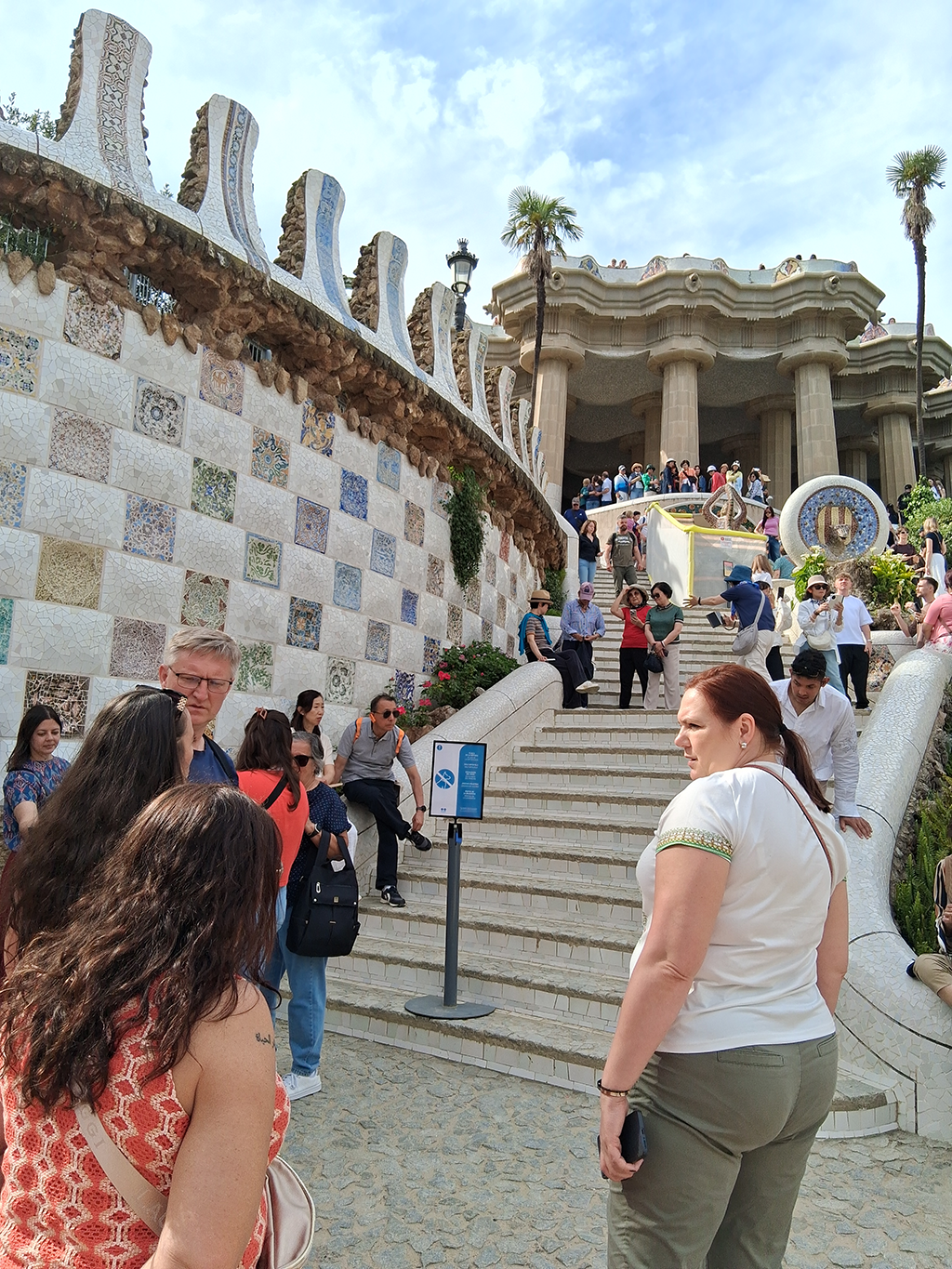
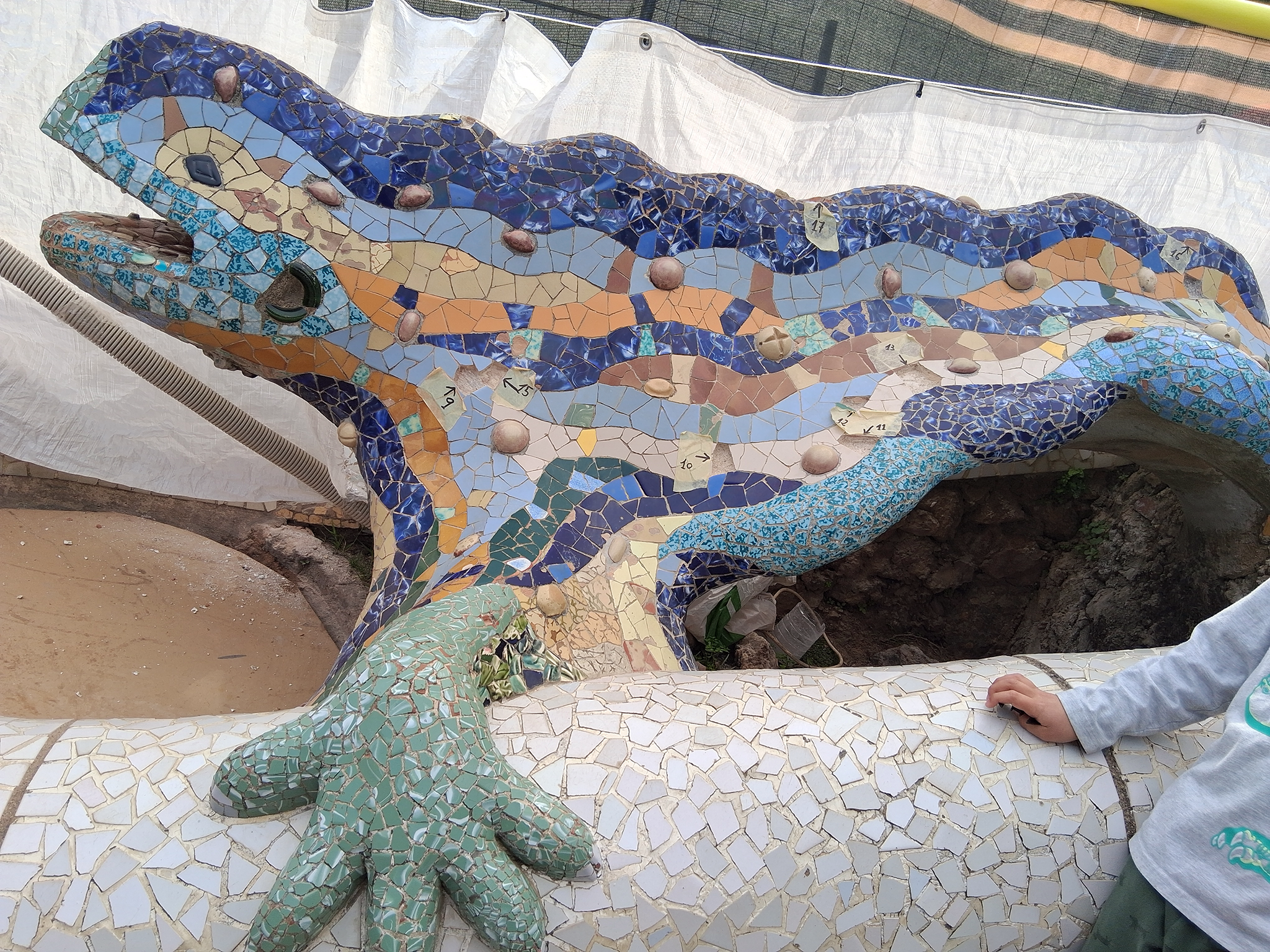
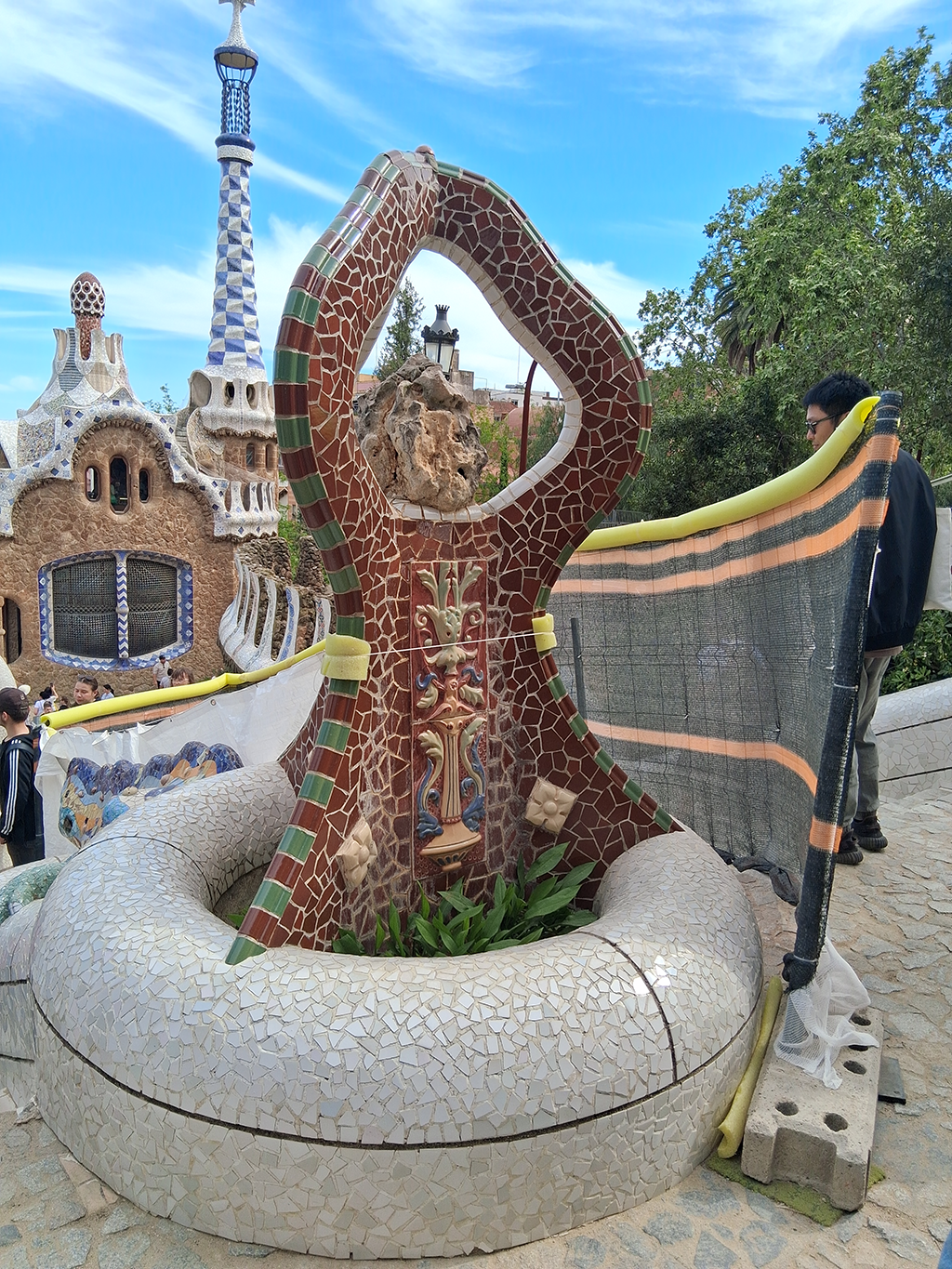
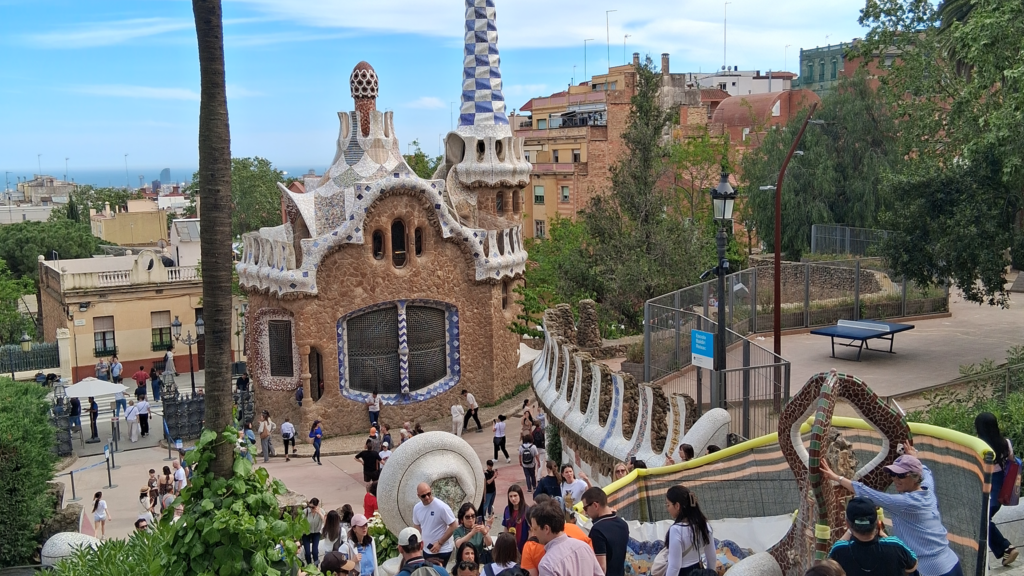
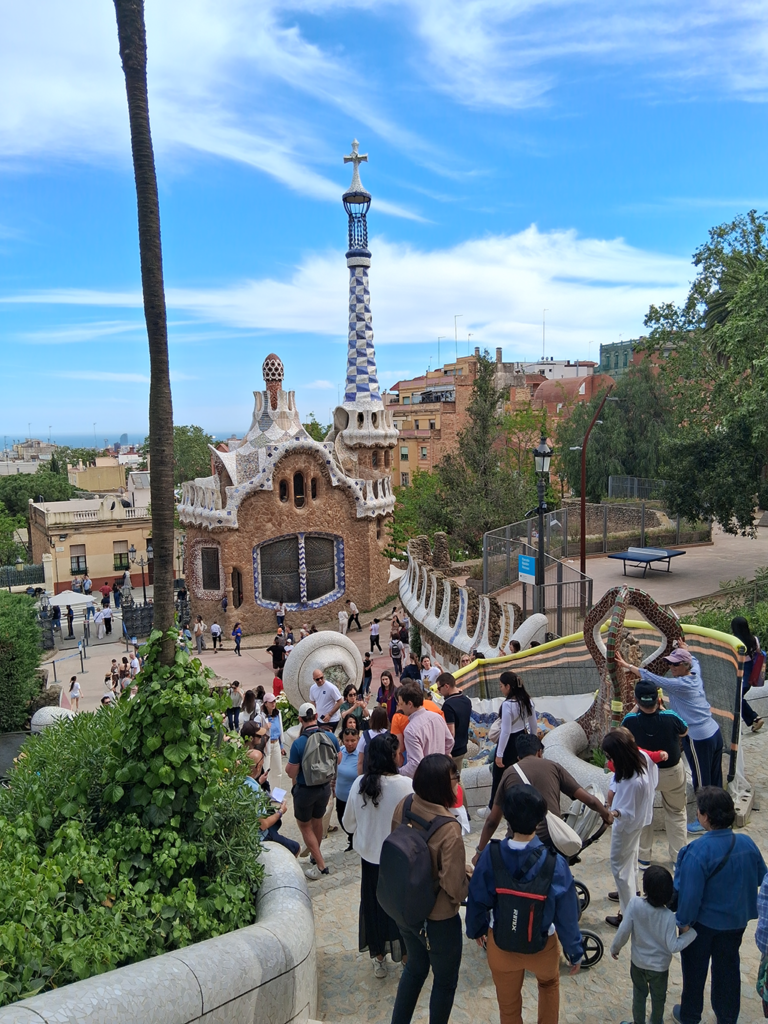
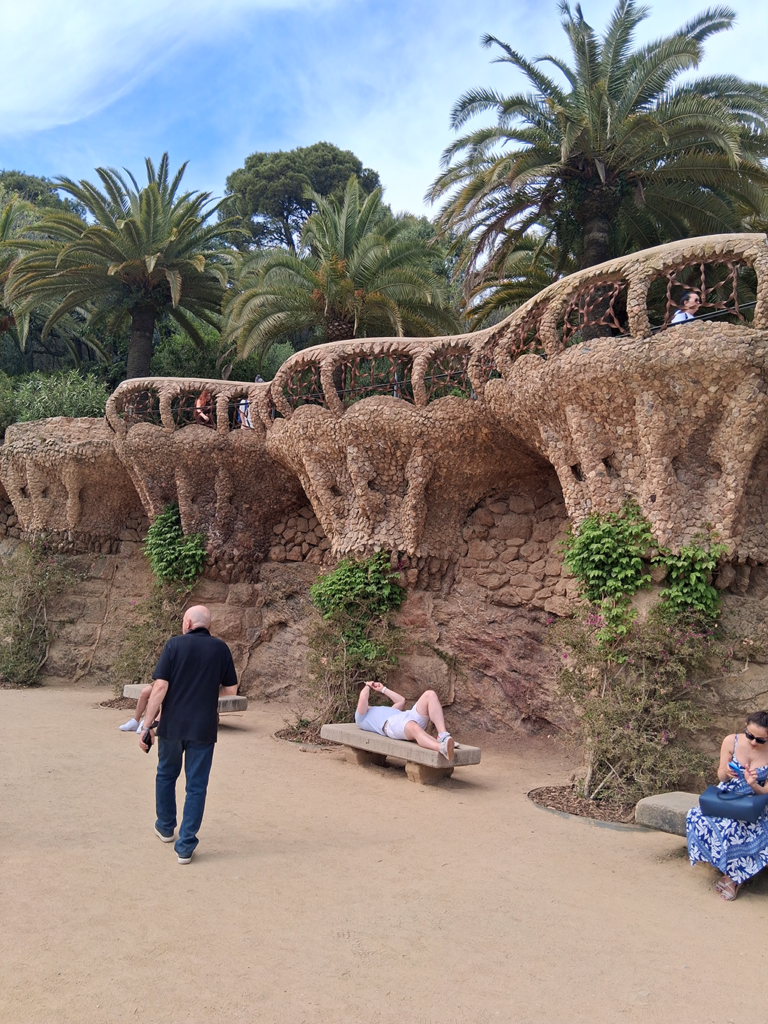
The editorial team of “Dziennik Polonijny” traveled to Spain, specifically to Barcelona, to see a large park with architectural elements there. This park is called “Park Güell.” It was designed by the Catalan master of architecture, Antoni Gaudí. This happened at the request of his friend Eusebi Güell, a Barcelona industrialist. This industrialist, as we know, was fascinated by English “garden cities,” which is why he fully financed the park plan created by Gaudí. This project was intended to be a residential area for the wealthy bourgeoisie. The works lasted from 1900-1914.
Specificity of this place
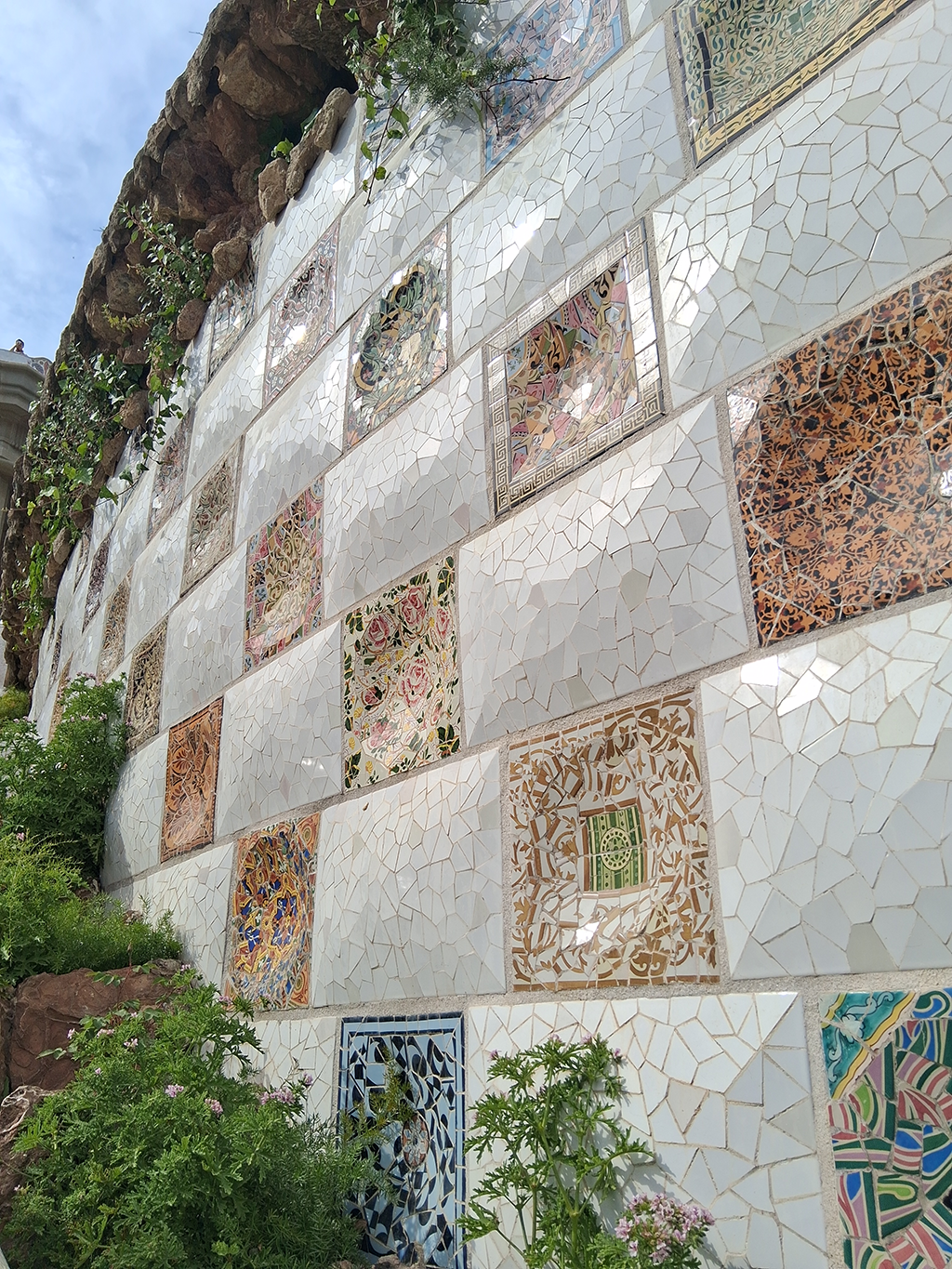
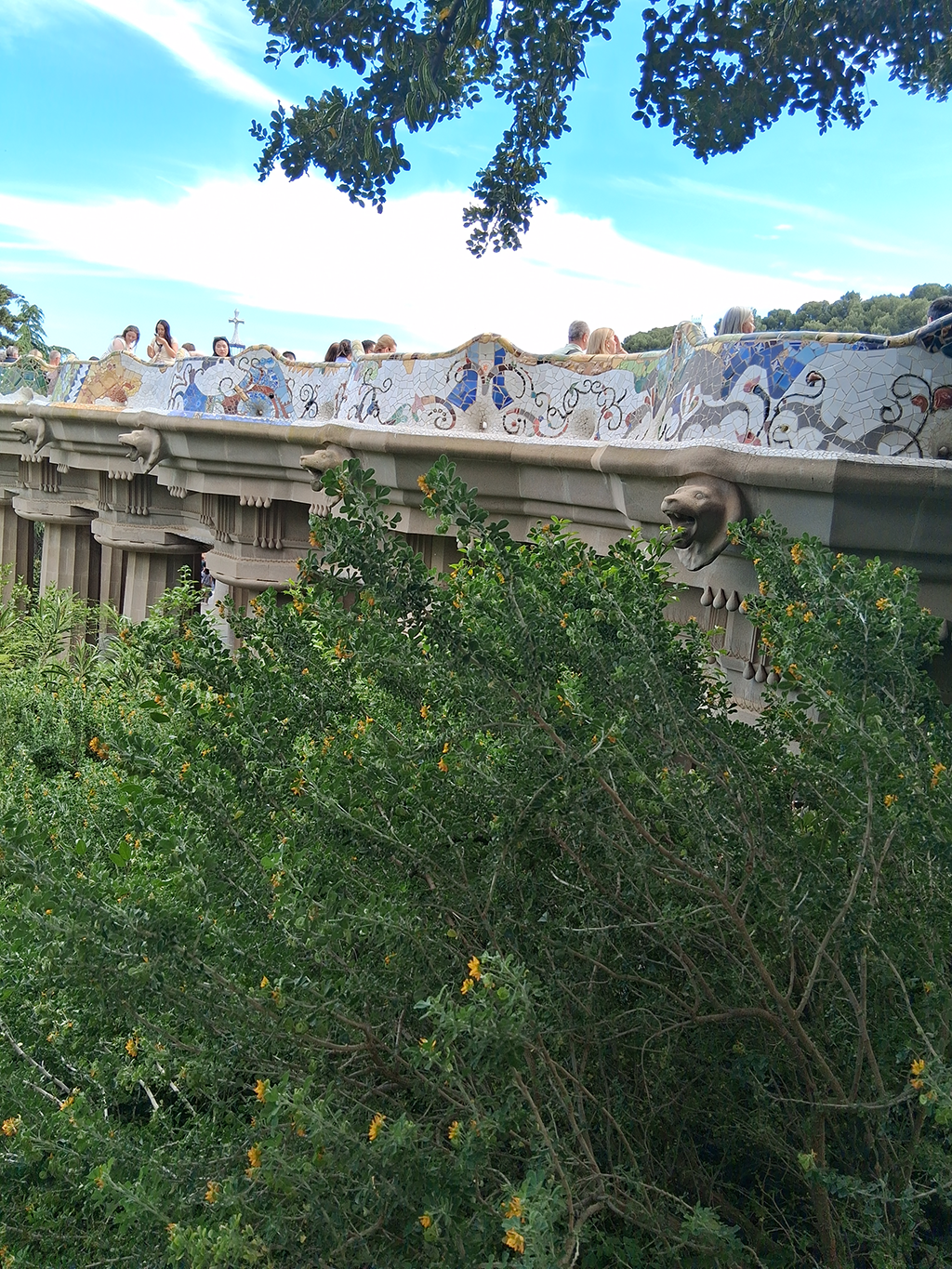
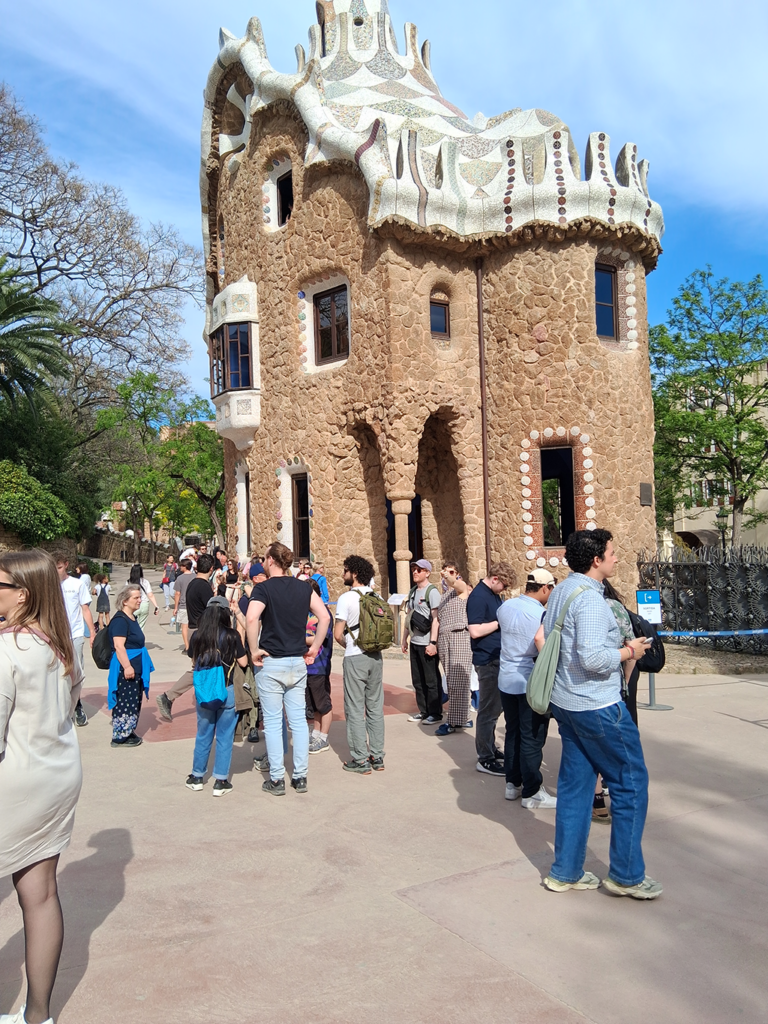
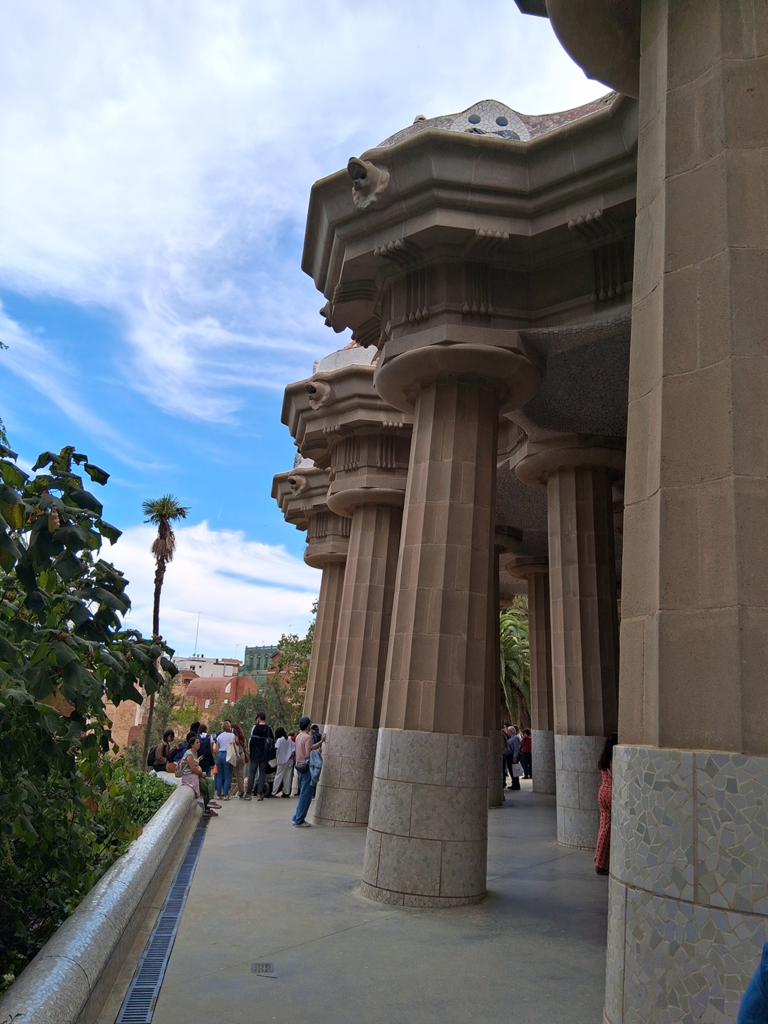
The park was surrounded by a wall built of irregularly shaped stones. There are as many as seven gates. Above the main gate are two medallions with the words “Park” and “Güell.” The entrance gate is made of wrought iron, with two pavilions adjacent to it. Master Gaudí placed the stairs leading to the main pavilion on three islands. The “Hall of One Hundred Columns” is the main pavilion, which was intended to serve as a market. The roof of this hall has a wavy shape and facilitates the runoff of rainwater needed for irrigating plants.
“Greek Theater”
The beautiful terrace located above the columned pavilion, created by the aforementioned architect, was called the “Greek Theater.” It is encircled by an exceptionally long, ceramic mosaic-tiled bench, which also serves as the cornice of the aforementioned pavilion. Its detailed design was refined by Josep Maria Jujol.